

What comes to mind when you hear the word rolls? A warm bread roll fresh from the oven? A sushi roll packed with colorful ingredients? Perhaps a roll of paper, fabric, or even a rolled-up sleeping bag?
That is what makes this simple word so interesting. Rolls appear in many parts of everyday life, from kitchens and restaurants to offices, workshops, fashion, travel, and manufacturing. They can be something we eat, something we use, or even a shape that makes a particular object easier to handle.
In this guide, we will explore the different meanings and types of rolls, how they are made, where they are used, and why rolling is such a useful idea. Think of rolling as nature’s way of saving space: just as a newspaper becomes smaller when rolled, many materials become easier to store and transport in the same way.
1. What Are Rolls?
At its simplest, a roll is something that has been rolled into a cylindrical, spiral, or compact shape. However, its exact meaning depends on the context.
In food, a roll can be a piece of bread, pastry, meat, vegetables, or rice wrapped around other ingredients. In manufacturing, rolls can refer to long lengths of material wound around a central core. Paper towels, wallpaper, carpets, plastic films, and textiles are common examples.
There are also mechanical rolls. Machines use rotating cylinders to press, shape, transport, or process materials. Even road equipment and industrial machinery can contain large rollers designed to handle heavy loads.
So, although these objects may look completely different, they share one basic concept: something is formed, wrapped, or moved using a rolling motion or shape.
2. The History and Evolution of Rolls
Rolling is hardly a modern invention. Humans have been using the concept for thousands of years.
Ancient people rolled materials such as leather, cloth, parchment, and plant fibers because rolling made them easier to transport and store. Written documents were also commonly kept as scrolls, which are essentially rolled sheets.
Food has a similar history. People in different cultures discovered that wrapping ingredients inside bread, dough, leaves, or other foods was an easy way to create a convenient meal.
Over time, rolling became increasingly important in technology. The development of wheels and rollers changed transportation, construction, and manufacturing.
Today, the idea has become much more sophisticated. Modern machines can roll enormous sheets of steel, paper, plastic, and other materials with impressive accuracy.
3. Popular Types of Food Rolls
Food rolls are among the most familiar forms. Almost every culture has some version of food that is wrapped, folded, or rolled.
Some popular examples include:
- Bread rolls
- Dinner rolls
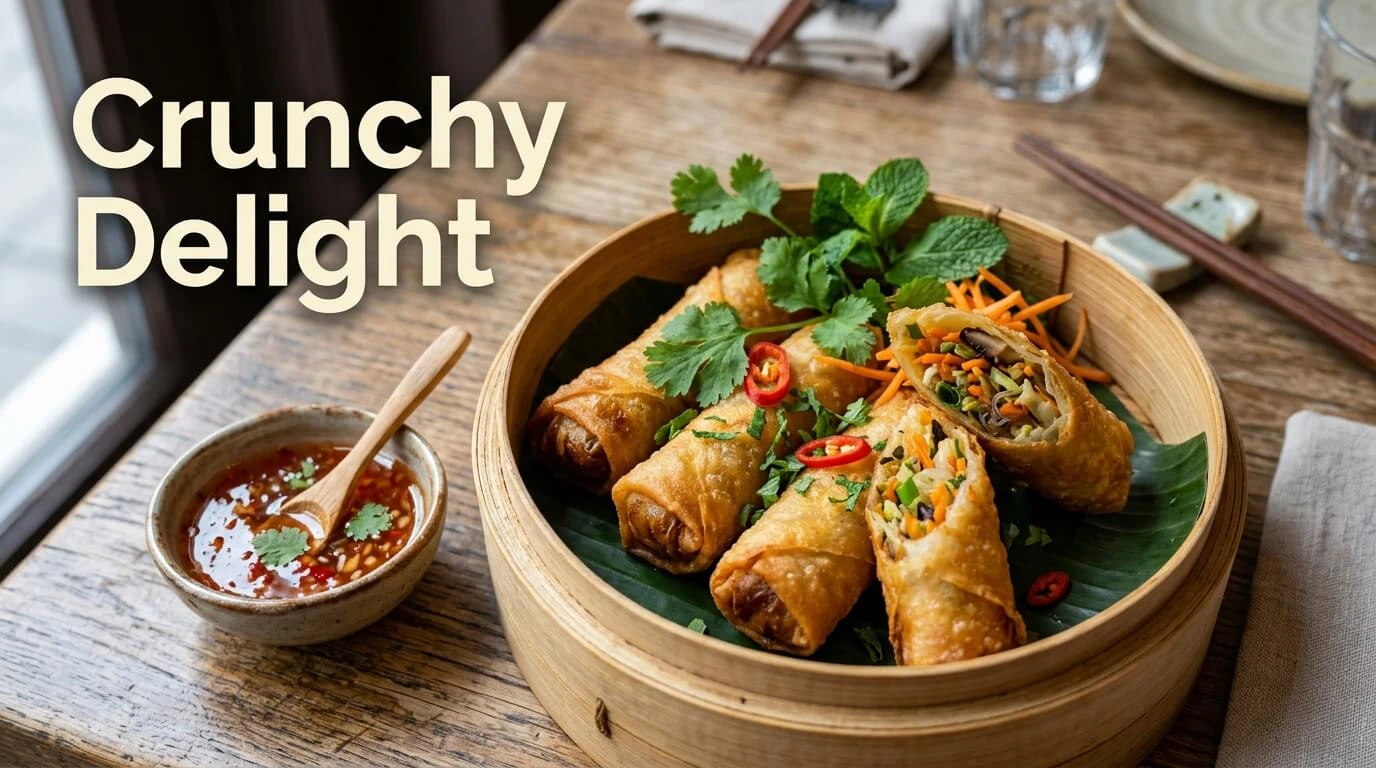
- Spring rolls
- Egg rolls
- Sushi rolls
- Cinnamon rolls
- Swiss rolls
- Meat rolls
- Wraps
- Stuffed pastry rolls
The ingredients and preparation methods vary widely, but the basic idea remains remarkably similar: place ingredients together and create a compact, easy-to-eat form.
This makes rolls especially useful for busy people. You can hold many types in one hand, making them popular for lunches, picnics, parties, and quick meals.
4. Bread Rolls and Their Varieties
Bread rolls are a classic example of how something simple can become incredibly versatile.
A basic bread roll may contain flour, water, yeast, salt, and other ingredients. Depending on the recipe, it might also include milk, butter, eggs, seeds, herbs, or whole grains.
Dinner rolls are commonly served alongside soups, roasted foods, and family meals. They are usually soft and small enough to serve individually.
Kaiser rolls have a distinctive appearance and are often used for sandwiches.
Whole-grain rolls can provide more fiber than many refined bread options, making them attractive to people who want more nutritious choices.
Then there are brioche rolls, which are known for their soft texture and rich flavor. They can work especially well with burgers and breakfast dishes.
The beauty of a bread roll is its adaptability. You can keep it simple with butter or transform it into a complete sandwich.
5. Sushi Rolls and Modern Food Culture
Sushi rolls have introduced the concept of rolling to diners around the world.
Traditional sushi uses ingredients such as seasoned rice, seafood, vegetables, and seaweed. These components can be arranged and rolled together before being sliced into individual pieces.
One reason sushi rolls are so appealing is their visual presentation. When cut correctly, each piece reveals a neat arrangement of ingredients.
Modern restaurants have also developed many creative variations. Some include cooked seafood, avocado, cucumber, sauces, or other ingredients designed for different tastes.
Sushi rolls also demonstrate how rolling can turn separate ingredients into a balanced bite. Instead of eating everything separately, the diner experiences several flavors and textures together.
6. Sweet Rolls and Dessert Favorites
Not all rolls belong at the dinner table. Some are firmly in dessert territory.
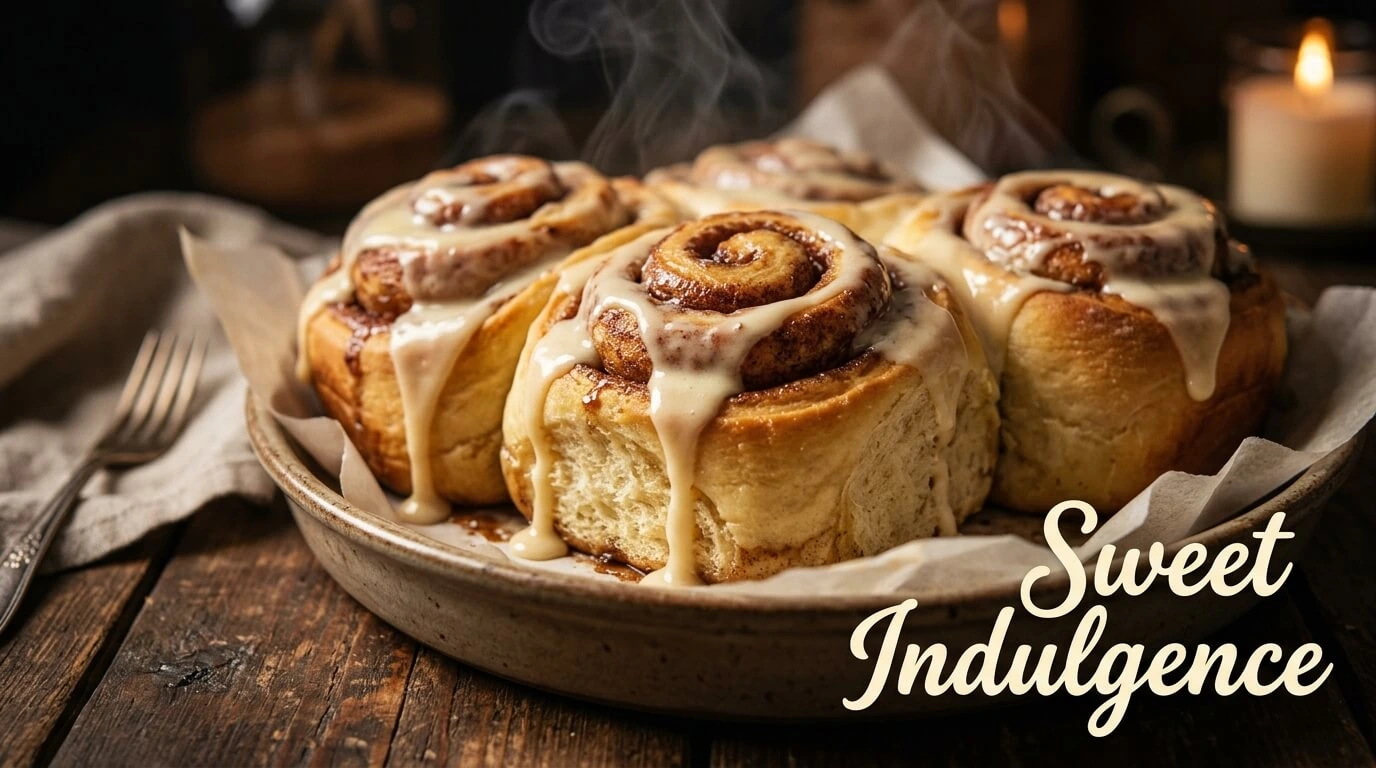
Cinnamon rolls are perhaps one of the best-known examples. Soft dough is covered with cinnamon and sugar, rolled into a spiral, baked, and often finished with icing.
Swiss rolls take a different approach. A thin sponge cake is spread with cream, jam, or another filling and carefully rolled into a cylinder.
There are also chocolate rolls, cream rolls, fruit-filled pastries, and many regional desserts.
Why do these treats work so well? The rolling process creates layers. Every bite can contain pastry, filling, and flavor at the same time.
It is almost like reading a good book where every page reveals something different.
7. Paper, Fabric, and Material Rolls
The word rolls extends far beyond food.
Paper is commonly manufactured and stored in large rolls. This allows huge quantities to be transported without requiring large flat storage areas.
Fabric is another excellent example. Textile manufacturers often produce material in continuous lengths and wind it into rolls. Retailers can then measure and cut the required amount for customers.
Wallpaper, wrapping paper, plastic film, aluminum foil, carpets, and vinyl materials can also be produced or stored in rolled form.
The major advantage is efficiency. A long piece of material can occupy considerably less space when wound properly.
This is particularly important for businesses that need to transport large quantities of material.
8. Rolls in Manufacturing and Industry
Industrial rolls are often much larger and more specialized than the everyday products we see at home.
Factories may use rollers to move materials from one stage of production to another. Other machines use them to press, flatten, coat, shape, or cut materials.
For example, manufacturing equipment can use rotating cylinders to process sheets of metal or plastic. Printing machinery also relies on rollers to transfer ink and move paper through different stages.
In heavy industry, rollers must be carefully designed because they can operate under substantial pressure and repeated movement.
Their surfaces, size, speed, and materials all depend on the specific application.
Even though these machines may look complicated, their basic principle is straightforward: controlled rolling makes it possible to move and transform materials efficiently.
9. Why Rolling Is So Useful
Why has rolling remained useful for so long?
The answer is simple: rolling saves space, supports movement, and creates convenient shapes.
Imagine trying to store 20 meters of fabric as one large flat sheet. It would take up a huge amount of room. Roll that same fabric, however, and it becomes much easier to store.
The same principle applies to paper, carpets, plastic, cables, and many other products.
Rolling can also make food easier to handle. A sandwich wrap, sushi roll, or bread roll can contain several ingredients in one compact package.
In mechanical systems, rolling can reduce the effort needed to move heavy objects. Wheels and rollers are fundamental examples of this principle.
So, whether we are talking about lunch or a factory floor, rolling is often about making something easier to manage.
10. How to Choose the Right Roll
Choosing the right type of roll depends entirely on what you need it for.
When buying food rolls, consider:
- Freshness
- Ingredients
- Texture
- Size
- Dietary requirements
- Filling
- Preparation method
For material rolls, different factors become more important.
You may need to consider:
- Length
- Width
- Thickness
- Material
- Weight
- Durability
- Storage requirements
For industrial rollers, the requirements can be even more specific. The correct product may depend on operating temperature, pressure, speed, surface material, and the type of equipment being used.
The key is not simply to choose the biggest or cheapest option. Choose the roll that matches the job.
11. Storage, Handling, and Care
Proper storage can make a significant difference in the condition of rolled products.
Food rolls should generally be stored according to their ingredients. Some are best eaten fresh, while others can be refrigerated or frozen.
For paper and fabric, moisture is one of the biggest concerns. Damp storage areas can damage materials, encourage unwanted growth, and affect quality.
Heavy rolls should also be handled carefully. A large roll can be difficult to move and may cause injury or property damage if it falls.
Industrial rolls require additional care. Regular inspection can help identify surface damage, uneven wear, cracks, or other problems before they become serious.
In simple terms, good storage protects your investment.
12. The Future of Rolls
Rolling is an old idea, but it continues to evolve.
Food manufacturers are experimenting with new combinations, healthier ingredients, plant-based fillings, and convenient packaging. Consumers increasingly want products that are easy to carry and consume while fitting different dietary preferences.
In manufacturing, technology is making rollers more precise and efficient. Automated systems can monitor production and detect problems faster than older methods.
Sustainable materials are another important area. Manufacturers are looking for ways to reduce waste and create packaging and materials that have less impact on the environment.
This means the humble roll is unlikely to disappear anytime soon. Instead, it will continue changing with the needs of consumers and industries.
Conclusion
From a warm bread roll at breakfast to a huge industrial material roll in a factory, the concept appears in more places than most of us realize. Its success comes from a simple but powerful idea: rolling makes things compact, convenient, movable, and useful.
The next time you see a roll, take a moment to consider what is behind its shape. Whether it contains food, fabric, paper, or another material, there is often a clever practical reason why it was rolled in the first place.
Frequently Asked Questions
1. What are rolls commonly used for?
Rolls are used for many purposes, including food preparation, packaging, storage, transportation, textiles, paper production, printing, and industrial manufacturing.
2. What are the most popular types of food rolls?
Popular varieties include bread rolls, dinner rolls, spring rolls, egg rolls, sushi rolls, cinnamon rolls, and Swiss rolls.
3. Why are materials stored in rolls?
Rolling allows long materials such as fabric, paper, plastic, and carpet to occupy less space, making them easier to store, transport, and handle.
4. Are all rolls cylindrical?
No. While many rolls have a cylindrical shape, the exact form can vary depending on the material, purpose, and method used to create them.
5. How should rolls be stored?
Storage depends on the product. Food may require refrigeration, while paper and fabric should generally be kept dry and protected from excessive moisture, heat, and physical damage.