

It’s 2 a.m. and a mosquito bite on your ankle is driving you up the wall. You know scratching will make it worse, but the itch won’t let you sleep. Then you remember that pink bottle at the back of the medicine cabinet.
For many families, calamine lotion is the first thing they reach for when skin itches. It’s cheap, easy to find and has been trusted for generations. But it isn’t a cure-all, and using it the wrong way can leave your skin drier and more irritated than before.
In this guide you’ll learn what calamine lotion is, what it can and can’t treat, how to apply it properly, who should be careful with it, and when it’s time to stop treating things at home and see a doctor.
What Is Calamine Lotion?
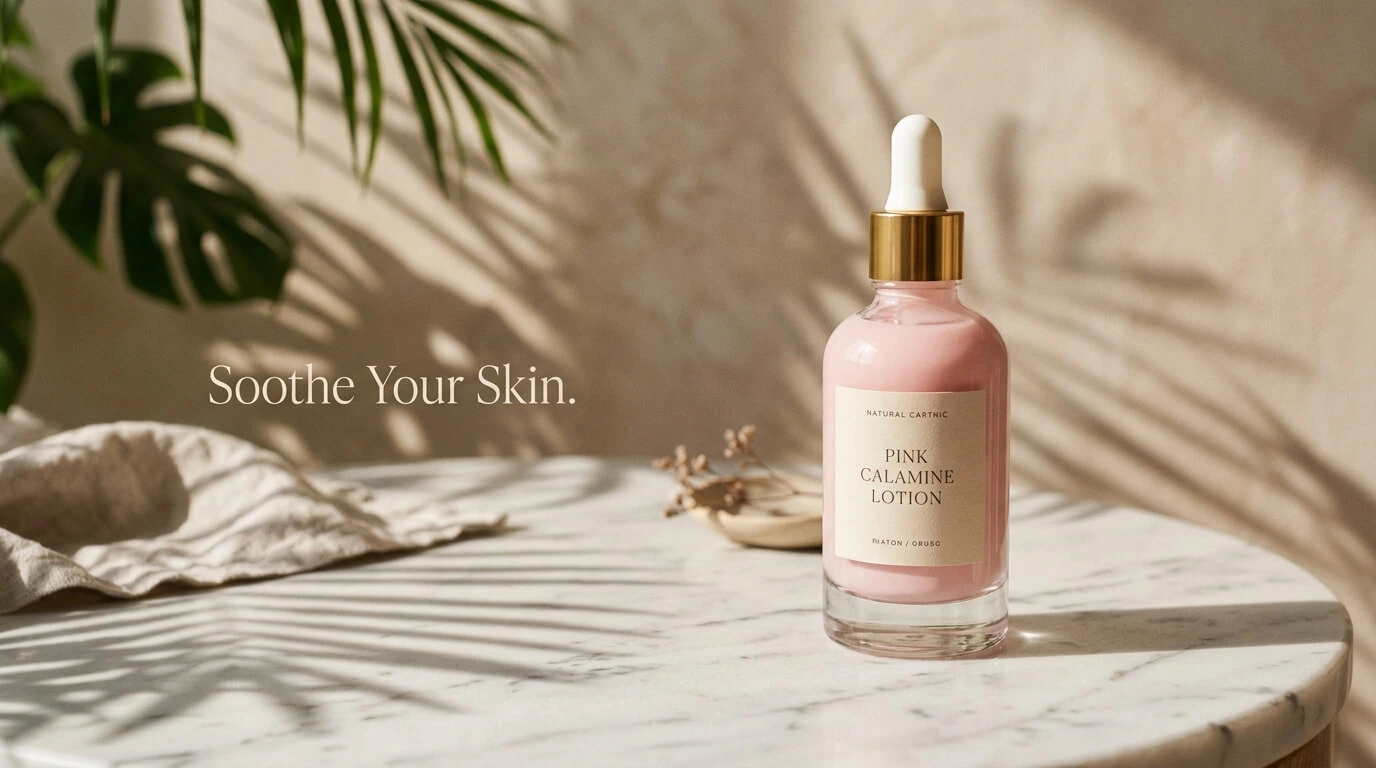
Calamine lotion is a soothing, over-the-counter skin product used to relieve mild itching and irritation. Its pink colour comes from zinc oxide combined with a small amount of iron oxide (ferric oxide). Most bottles also contain ingredients that help the mixture spread smoothly, and some add glycerin or similar moisturisers.
Quick answer: Calamine lotion is a pink, zinc-based lotion that calms mild itching from things like insect bites, poison ivy, sunburn and chickenpox. It works on the surface of the skin and does not treat the underlying cause of a rash.
How does calamine lotion work?
When you apply it, the liquid evaporates and leaves a thin, powdery layer on the skin. That layer creates a cooling feeling, which distracts from the itch. Zinc oxide also has a mild protective, astringent effect, so it can help dry out weepy spots and shield irritated skin.
It doesn’t contain a strong medicine like a steroid or an antihistamine. Think of it as comfort care: it eases symptoms while your body does the healing.
What Is Calamine Lotion Used For?
People use calamine lotion for a surprisingly wide range of everyday skin problems. These are the most common ones.
Insect bites and stings
Mosquito, midge and flea bites are classic uses. A dab on the bite can take the edge off the itch and reduce the urge to scratch, which matters because scratching can break the skin and invite infection.
Poison ivy, oak and sumac rashes
Plant rashes that blister and ooze respond well to the drying action of calamine lotion. It won’t stop the reaction itself, but it can make the itchy phase more bearable. If you’ve been exposed, wash the area with soap and water first.
Chickenpox and measles itch
Parents often use calamine lotion during chickenpox to ease the relentless itching. Dabbing it onto individual spots is usually more comfortable than covering the whole body. Keep in mind that it only calms the itch and doesn’t speed up recovery. Chickenpox in babies, pregnant women and people with weak immune systems needs medical advice.
Mild sunburn and heat rash
For mild, red, tender skin after too much sun, calamine lotion can feel pleasantly cooling. For heat rash, it can help dry out the tiny bumps. For severe sunburn with blistering, fever or dizziness, skip the lotion and get medical help.
Minor skin irritations
Brief contact with a rough fabric, a mild allergic skin reaction, or a small patch of irritation can also improve with calamine lotion. If the problem keeps returning, it’s worth finding out why.
How to Apply Calamine Lotion Properly
Most people just slap it on and hope for the best, but a few small habits make it work better.
- Shake the bottle well. The zinc settles at the bottom, so a good shake keeps the mixture even.
- Clean and dry the skin. Wash gently with mild soap and water, then pat dry.
- Use a cotton ball or pad. Dab the lotion on rather than rubbing. Rubbing can irritate already sensitive skin.
- Apply a thin layer. A thick coat cracks as it dries and can make skin feel tight.
- Let it dry fully. Wait before putting on clothes so it doesn’t smear.
- Repeat when needed. Most people use it up to three or four times a day, but always check your product’s label.
Tips for children
For kids, a cotton pad is usually easier than fingers. Trim their nails short, too, because a child who can’t resist scratching will undo your good work. Check the label for age guidance, and ask a pharmacist or doctor before using calamine lotion on babies.
Where You Should Not Use Calamine Lotion
Calamine lotion is gentle, but it isn’t suitable everywhere.
- Broken or bleeding skin. Don’t put it on open wounds or deep cuts.
- Near the eyes, mouth or nose. Avoid these areas and rinse with water if some gets in your eyes.
- Large areas for long periods. The drying effect can leave skin flaky and uncomfortable.
- Dry, eczema-prone skin. It can make dryness worse, so ask a healthcare professional first.
- Swallowing. It is for external use only. If someone swallows it, contact a doctor or poison control line straight away.
Side effects are uncommon, but they can happen. Stop using the product if you notice more redness, burning, swelling or a new rash. This can signal an allergy to one of the ingredients.
Calamine Lotion vs Other Itch Remedies
Calamine lotion is far from the only option, so it helps to know where it fits.
Hydrocortisone cream is a mild steroid that reduces inflammation. It is often stronger for bites and eczema flare-ups than calamine lotion, but it shouldn’t be used for long periods without advice.
Antihistamine tablets or creams help when itching comes from an allergic reaction. Oral antihistamines can also help with itching that keeps you awake.
Cool compresses and oatmeal baths cost almost nothing and soothe widespread itching without any ingredients to worry about.
A sensible approach is to start with the gentlest option. If calamine lotion hasn’t helped after a few days, don’t just keep applying more. Move on to something different or ask a pharmacist.
Practical Tips to Get the Most From Calamine Lotion
- Keep the bottle in the fridge for extra cooling relief on hot days.
- Avoid scratching. Even with calamine lotion, scratching keeps the cycle of itching going.
- Wear loose cotton clothing over treated areas.
- Test a small patch first if you have sensitive skin.
- Check the expiry date. Old lotion can lose its effectiveness and may be contaminated.
- Wash stained clothing promptly, since the pink residue can mark fabric.
When to See a Doctor
Calamine lotion is for mild, short-term problems. Get medical advice if:
- The itching or rash lasts longer than a week without improving
- The area becomes very red, warm, swollen or starts leaking pus, which can signal infection
- You have a rash with fever, trouble breathing or swelling of the face or lips (seek emergency help)
- A child under the age of two has a widespread rash
- The rash covers a large part of your body
Your health matters more than any home remedy, so don’t be shy about getting a proper diagnosis.

Frequently Asked Questions
What is calamine lotion good for?
Calamine lotion is good for relieving mild itching and irritation caused by insect bites, poison ivy, chickenpox, mild sunburn and minor rashes. It soothes symptoms but doesn’t treat the underlying cause.
How often can I apply calamine lotion?
Most products suggest applying it up to three or four times a day, as needed. Follow the instructions on your bottle, and stop if your skin becomes more irritated.
Can calamine lotion be used on the face?
You can use it on small areas of the face, such as a single spot, but keep it away from your eyes, lips and inside your nose. For widespread facial rashes, speak with a doctor or pharmacist.
Is calamine lotion safe during pregnancy?
Calamine lotion is generally considered a low-risk topical product, but it’s wise to check with your doctor or pharmacist before using any medicine while pregnant or breastfeeding.
Does calamine lotion help chickenpox heal faster?
No. It can ease the itch, but it won’t shorten the illness. Chickenpox heals on its own as your immune system does its work.
Final Thoughts
Calamine lotion has stayed in medicine cabinets for a reason. It’s affordable, simple and good at calming the kind of everyday itch that makes you miserable. Used correctly, shaken, dabbed on in a thin layer and kept away from broken skin and eyes, it can bring real relief.
Just remember its limits. It soothes but doesn’t cure, and a stubborn or spreading rash deserves a professional opinion.
Your next step: Check the bottle in your cabinet today. If it’s out of date or nearly empty, replace it so you’re ready for the next bite, sting or sunburn. And if this guide cleared up your doubts, share it with someone who always seems to be scratching.