
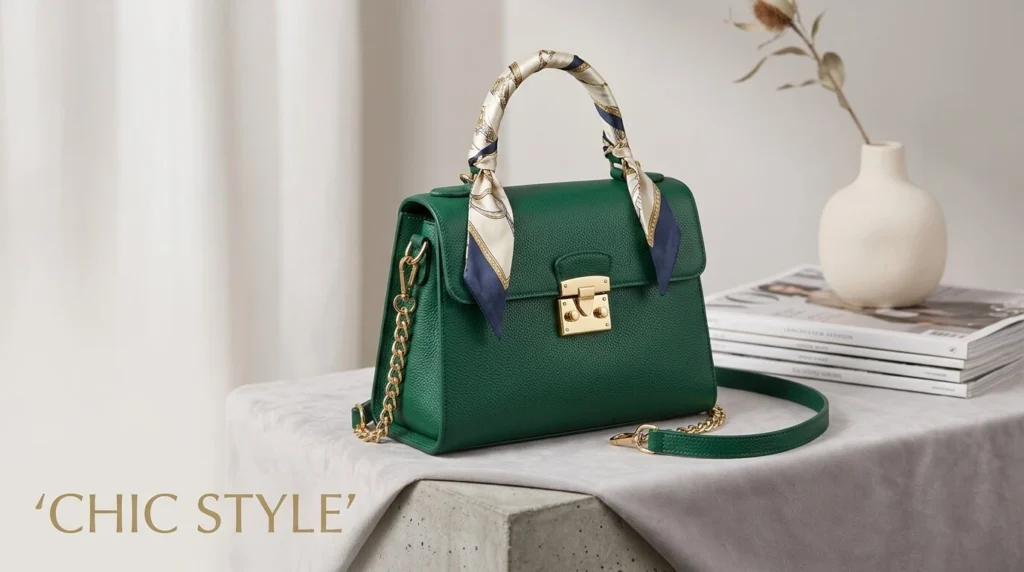
Choosing the right bag can be surprisingly exciting. A good bag is not simply something you carry your belongings in—it can become part of your everyday style, help you stay organized, and make busy days much easier. Whether you are looking for a school backpack, a cute crossbody, a small handbag, or an everyday tote, there are countless options available.
But with so many designs, sizes, colors, and materials, how do you know which one is right for you? Think of a bag like a reliable friend: it should look good, fit naturally into your life, and be there whenever you need it.
This guide explores different types, important features, materials, styling ideas, and practical tips to help you choose a bag that suits your needs and personality.
Why the Right Bag Matters
A bag can influence both comfort and appearance. The right choice gives you enough space for the things you actually use without becoming unnecessarily heavy.
For students, functionality may be the most important consideration. Books, notebooks, stationery, a water bottle, and electronic devices all require room. Someone going shopping or meeting friends, however, may only need space for a phone, wallet, keys, and a few personal items.
Your lifestyle should come before trends. A beautiful bag that cannot hold your essentials will probably spend more time sitting in your wardrobe than being used.
Comfort also matters. If you carry a bag for several hours each day, uncomfortable straps or poor weight distribution can quickly become annoying. A practical design should feel natural rather than constantly reminding you that you are carrying something.
At the same time, style should not be ignored. Your bag is often one of the most visible accessories in an outfit. The right color or shape can turn a simple outfit into something much more polished.
Popular Types of Bags for Girls
There is no single style that works for everyone. Different bags serve different purposes, and having a few options can make everyday dressing easier.
Backpacks are excellent for school, college, travel, and casual activities. They distribute weight across both shoulders and usually offer plenty of storage.
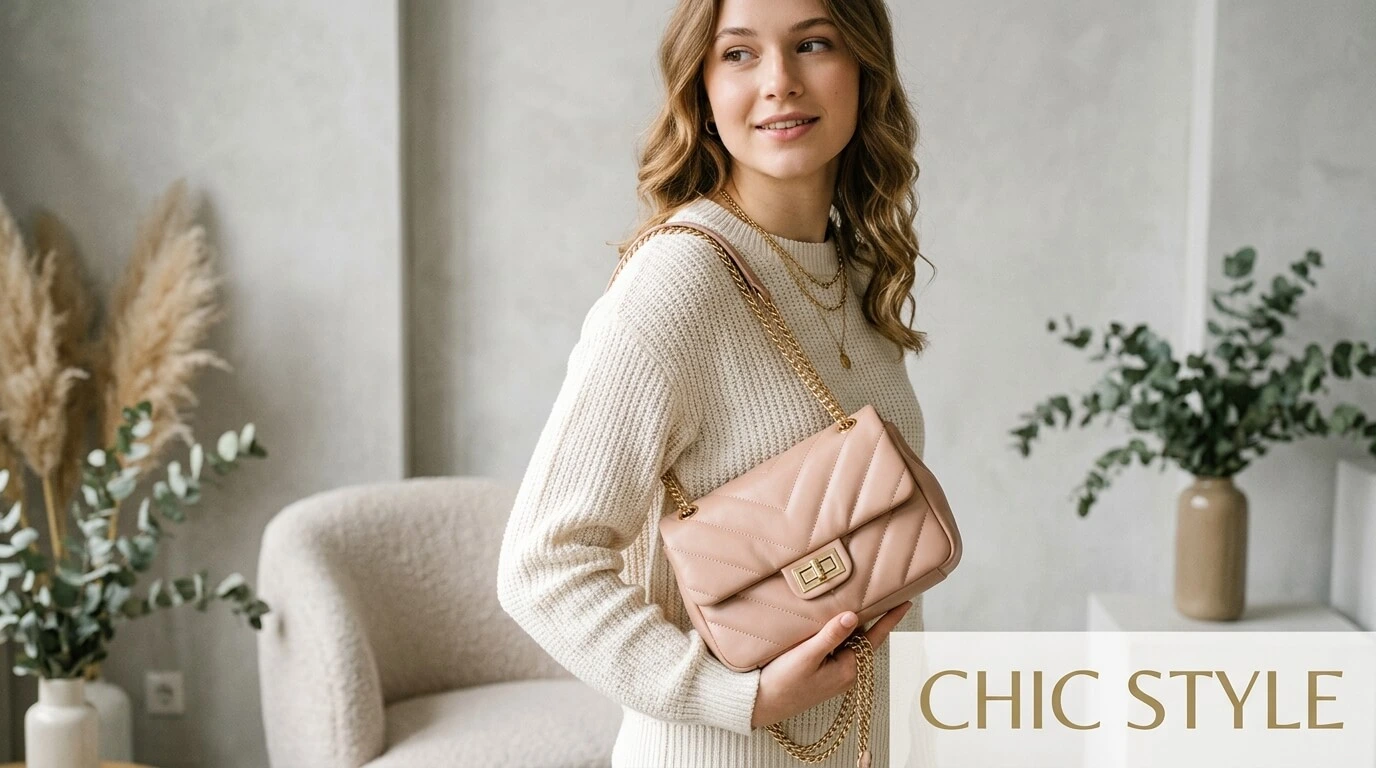
Crossbody bags are convenient for shopping, casual outings, and social occasions. Because the strap goes across the body, they can stay secure while leaving your hands free.
Shoulder bags offer a more traditional fashion look. They can range from small designs for evenings to larger styles suitable for everyday use.
Tote bags are useful when you need more space. They are particularly practical for shopping, work, classes, or carrying several everyday items.
Mini bags are designed for minimal carrying. They may not hold much, but they can add a fashionable finishing touch to an outfit.
The best approach is not to ask which type is universally best. Instead, ask: What am I carrying, where am I going, and how long will I be carrying it?
School and College Backpacks
For students, a backpack is often an everyday essential. A good school or college backpack should combine capacity, comfort, durability, and organization.
Look for padded shoulder straps. They can make a noticeable difference when the backpack is loaded with books or electronics.
Multiple compartments are also useful. A dedicated laptop section, smaller pockets for stationery, and a larger main compartment can prevent everything from becoming one large, messy pile.
Water-resistant material can be another useful feature, especially if you regularly travel outdoors. It may help protect books and electronics from unexpected light rain or accidental spills.
Size is equally important. A backpack should be large enough for your daily essentials but not so oversized that it becomes difficult to carry.
For younger students, fun prints, bright colors, and character-inspired designs may be appealing. Older students may prefer neutral shades, minimalist shapes, or modern patterns.
Crossbody Bags for Everyday Use
Crossbody bags are popular because they combine convenience with a relaxed fashion look. The long strap allows the bag to rest across the body while keeping both hands available.
They work particularly well for shopping trips, casual lunches, walks, and outings with friends.
Security is one of their biggest advantages. When worn correctly, the bag can remain close to the body, making it easier to keep track of your belongings in busy environments.
When choosing one, check the strap length. An adjustable strap is especially useful because you can change the position depending on your outfit and comfort.
A medium-sized crossbody is often versatile enough to carry a phone, wallet, keys, sunglasses, small cosmetics, and other essentials without becoming bulky.
For everyday outfits, simple colors such as black, beige, brown, navy, or white can be easy to coordinate. If your wardrobe is mostly neutral, however, a colorful crossbody can become an eye-catching accent.
Handbags and Shoulder Bags
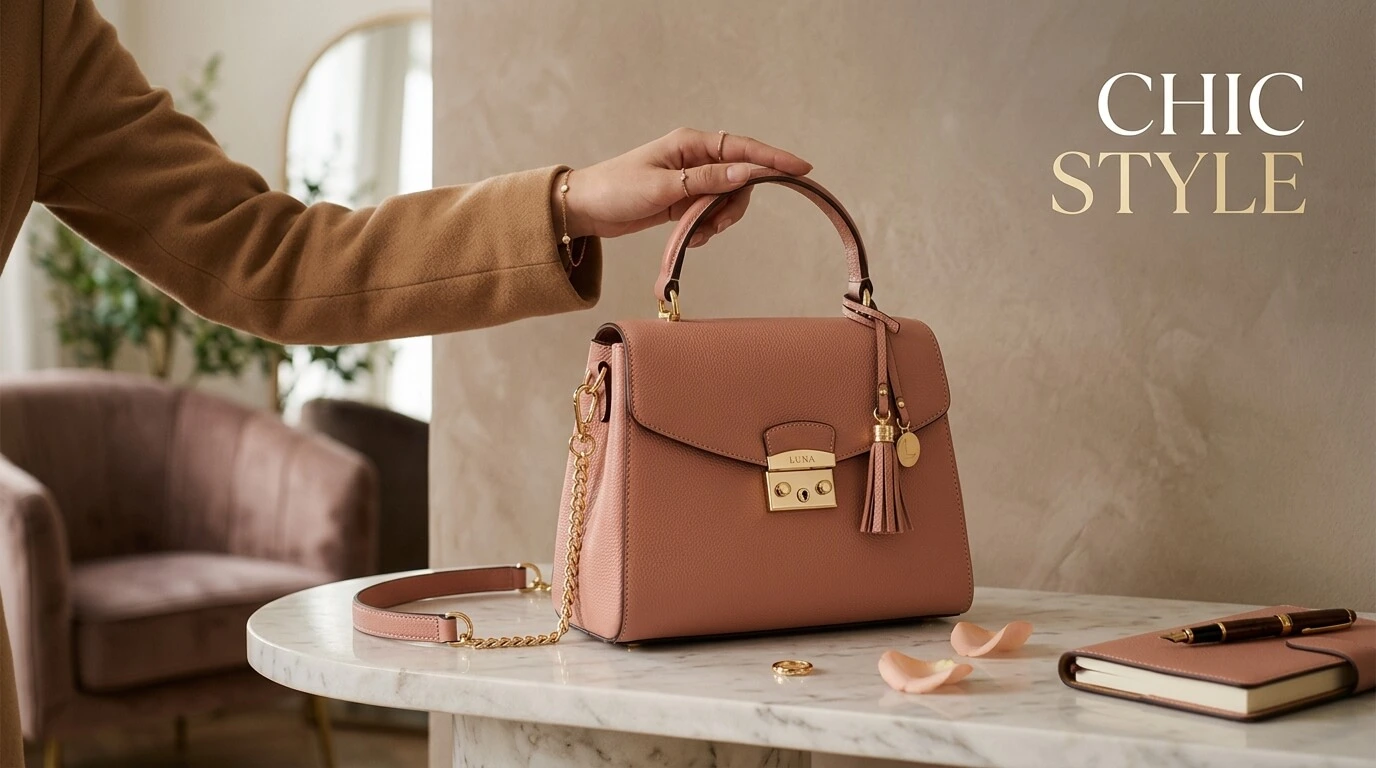
Handbags and shoulder bags can add a more polished touch to an outfit. They are suitable for everything from casual gatherings to dinners and special occasions.
A structured handbag can create a neat and sophisticated appearance, while a softer shoulder bag usually gives a more relaxed feel.
Consider the handles carefully. Short handles are useful when you prefer carrying a bag by hand or resting it on your arm. Longer straps are better when you want to keep your hands free.
The interior design also matters. A stylish exterior is great, but useful pockets can make everyday life considerably easier.
If you regularly carry cosmetics, a wallet, phone, keys, and other small objects, several internal compartments can save time. Instead of searching through the entire bag, you can give each item its own place.
A versatile shoulder bag can also transition between different outfits. That makes it a smart option if you want one accessory that works across several occasions.
Mini Bags and Compact Styles
Sometimes less really is more.
Mini bags are designed for people who prefer carrying only the essentials. They can be particularly useful for parties, dinners, concerts, or quick outings when you do not want to carry a large bag.
The key is to understand their limitations. A small bag may look elegant, but it cannot magically carry everything.
Before buying one, think about what you genuinely need. If your essentials are limited to a phone, cards, keys, and lip balm, a compact design may be perfect.
Mini bags are also a fun way to experiment with fashion. A bold color, unusual shape, decorative strap, or interesting texture can become the focal point of an outfit.
They work particularly well with simple clothing because the small accessory can provide contrast without overwhelming the overall appearance.
Tote Bags for Practical Everyday Carry
Tote bags are among the most useful choices when you need extra room.
Their open, spacious design makes them convenient for carrying notebooks, shopping items, accessories, water bottles, and other belongings. They can work for school, casual work environments, shopping trips, and travel.
Organization is the main challenge with larger totes. Because they often have a large open compartment, small objects can disappear toward the bottom.
A simple pouch or internal organizer can solve this problem. You can keep cosmetics, chargers, stationery, and other small belongings together instead of searching for them individually.
Tote bags are also available in many materials. Canvas versions often provide a casual appearance, while leather or synthetic alternatives can look more polished.
If you frequently carry heavier items, pay attention to the handles and stitching. A fashionable tote is only useful if it can handle your normal routine.
Choosing the Right Size
Size is one of the most important factors when buying a new bag.
A bag that is too small can become frustrating because you constantly have to leave things behind. A bag that is too large can encourage you to carry unnecessary items and may become uncomfortable.
Start by listing your daily essentials. For example:
- Phone
- Wallet or card holder
- Keys
- Sunglasses
- Small cosmetics
- Water bottle
- Notebook
- Charger or power bank
Once you know what you normally carry, choosing a suitable size becomes much easier.
For minimal essentials, a mini or small crossbody may work. For several everyday items, a medium shoulder or crossbody bag can be more practical. Students and people carrying larger belongings may need a backpack or tote.
Remember that capacity is not the only consideration. The physical dimensions should also match your body and how you intend to carry the bag.
Materials, Quality and Durability
A bag’s material affects its appearance, weight, maintenance, and lifespan.
Leather is often associated with a premium appearance and can develop character over time when properly maintained.
Canvas is popular for casual bags because it is lightweight and versatile. It works particularly well with everyday and relaxed outfits.
Synthetic materials can offer a wide range of colors, textures, and designs. They are often used for affordable fashion accessories and may be easier to clean depending on the specific material.
Nylon and similar technical fabrics can be useful for backpacks and travel-oriented designs because they are generally lightweight and practical.
Do not judge quality by material alone. Examine the stitching, zippers, straps, lining, hardware, and overall construction.
Strong stitching around the handles is especially important. Handles often experience significant stress, particularly when the bag is filled.
A good bag should not simply look attractive when it is new. It should remain useful after regular use.
Colors, Patterns and Personal Style
Color is where choosing a bag becomes particularly personal.
Neutral colors are versatile. Black, cream, brown, gray, navy, and beige can work with many outfits and are often excellent choices for an everyday bag.
Bright colors create a different effect. Red, pink, green, blue, yellow, or purple can add energy to a simple outfit.
Patterns can also express personality. Floral designs may create a softer appearance, while geometric patterns can feel modern and playful prints may suit a youthful wardrobe.
You do not have to match your bag perfectly with your clothing. In fact, contrast can sometimes create a more interesting outfit.
Imagine wearing a simple white shirt and jeans. A colorful bag can act like the final brushstroke on a painting, adding personality without changing the entire outfit.
Think about your existing wardrobe before buying. If most of your clothes are colorful, a neutral bag may provide balance. If your clothing is mostly simple, a patterned or colorful bag can add visual interest.
Features That Make a Bag More Useful
Small details can make a surprisingly big difference.
Zippered compartments are useful for valuable or small items. They help prevent objects from falling out and make organization easier.
Adjustable straps allow you to change the fit according to your height, clothing, and preference.
Padded laptop sections are useful in backpacks and larger bags designed for students or professionals.
Water-resistant finishes can provide additional protection during light rain or accidental spills.
Lightweight construction is important because the contents already add weight. There is little benefit in choosing a heavy bag before you put anything inside it.
Another useful feature is a strong base. A bag that can stand upright may be easier to pack and organize.
When shopping, do not focus only on decorative details. Ask yourself whether each feature improves the way you actually use the bag.
How to Style Bags for Different Occasions
One of the easiest ways to make a bag work harder is to choose styles according to the occasion.
For school or college, a practical backpack is usually the natural choice. Pair it with casual clothing, sneakers, and comfortable everyday pieces.
For shopping, a crossbody or tote can be useful. A crossbody keeps your hands free, while a tote provides additional room.
For parties and dinners, a small handbag or mini bag can create a cleaner, more elegant appearance.
For travel, a spacious backpack or durable tote may be more practical. Security pockets can also be useful when you are moving through busy places.
For casual outings, almost anything can work. This is the perfect opportunity to experiment with color, texture, and unusual shapes.
The important thing is balance. If your outfit already contains bold prints, a simple bag may look better. If your clothes are understated, your bag can become the statement piece.
Caring for Your Bag
Even an excellent bag can look old quickly if it is not maintained.
Empty your bag regularly. Receipts, wrappers, old papers, and unnecessary items can add weight and create clutter.
Clean the exterior according to the manufacturer’s care instructions. Different materials require different approaches, so avoid using harsh cleaning products without checking whether they are suitable.
Keep bags away from excessive moisture and direct heat when possible. If a bag becomes wet, allow it to dry naturally rather than placing it directly against a strong heat source.
Storage matters too. When you are not using a bag, keep it in a dry area and avoid placing heavy objects on top of it.
For structured bags, maintaining their shape can help them look better over time. Stuffing them lightly with clean paper or another suitable material during storage can sometimes help prevent unwanted creases.
A little regular care can significantly extend the useful life of an accessory.
How to Choose the Perfect Bag
With so many options available, the buying process can feel overwhelming. A simple checklist can make it easier.
First, identify the main purpose. Is the bag for school, everyday use, travel, parties, or occasional outings?
Next, determine the required capacity. Think about the things you normally carry rather than what you might carry someday.
Then consider comfort. Check the handles, shoulder straps, weight, and overall shape.
After that, examine quality. Look closely at stitching, zippers, lining, hardware, and attachment points.
Finally, consider style and versatility. Will the bag work with several outfits, or will you only use it occasionally?
Budget is important too. The cheapest option is not always the best value, and the most expensive option is not automatically the highest quality.
Aim for the best combination of usefulness, durability, comfort, and personal style.
Conclusion
The best bag is not necessarily the biggest, most expensive, or trendiest one. It is the bag that fits naturally into your everyday life.
Whether you prefer a practical backpack, a stylish shoulder bag, a compact crossbody, or a spacious tote, focus on your actual needs. Consider size, material, comfort, organization, durability, and appearance before making a decision.
Most importantly, choose something that feels like you. Fashion changes, but a well-chosen bag can remain a useful and enjoyable part of your wardrobe for a long time.
Frequently Asked Questions
1. What type of bag is best for everyday use?
A medium-sized crossbody, shoulder bag, backpack, or tote can work well for everyday use. The best option depends on how much you normally carry and how you prefer to carry it.
2. What size bag should a girl choose?
Choose a size based on your daily essentials. A small bag works for a phone, wallet, and keys, while a medium or large option is better when you carry notebooks, electronics, cosmetics, or other belongings.
3. Are backpacks better than handbags for school?
Backpacks are generally more practical for school because they provide more storage and distribute weight across both shoulders. Look for padded straps and useful compartments for better comfort and organization.
4. Which bag color is easiest to match with clothes?
Neutral shades such as black, beige, brown, gray, navy, and cream are generally easy to coordinate with different outfits. However, a bright color can be a great choice if you want your accessory to stand out.
5. How can I make my bag last longer?
Empty and clean it regularly, avoid overloading it, follow the care instructions for its material, and store it somewhere dry when you are not using it. Paying attention to stitching and handles can also help prevent damage.