
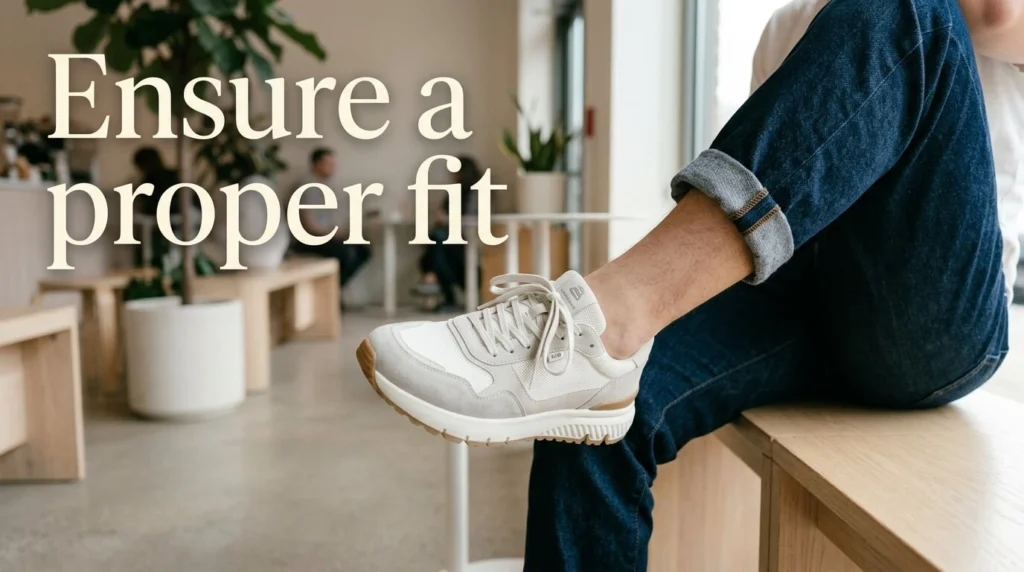
New shoes can look fantastic, but there is nothing enjoyable about discovering a painful blister after wearing them for a few hours. Whether you are breaking in dress shoes, walking in sneakers, wearing work footwear, or preparing for a long day out, friction can quickly turn comfortable footwear into a source of irritation.
The good news? You do not have to simply accept blisters as part of wearing shoes. With the right fit, socks, preparation, and friction-control techniques, you can greatly reduce the chance of developing them.
Think of your feet like the tires on a car. Even if the tires look perfect, constant rubbing against the wrong surface eventually creates problems. Your shoes and socks work in much the same way: when they fit and move properly together, your feet are much happier.
Why Do Shoes Cause Blisters?
A blister usually develops when repeated rubbing irritates the skin. The friction may occur between your foot and the shoe, between your sock and skin, or even between different layers of skin.
When you walk, your foot naturally moves inside your footwear. A small amount of movement is normal, but excessive sliding can create repeated friction. Over time, the affected area becomes irritated and may fill with fluid.
Common causes include:
- Shoes that are too tight
- Shoes that are too loose
- Stiff or poorly shaped footwear
- Seams rubbing against the skin
- Rough shoe interiors
- Moisture and sweaty feet
- Incorrect socks
- Long periods of walking or standing
- Wearing new shoes for too many hours at once
- Foot shape differences that create pressure points
The heel is one of the most common places for blisters because it can move up and down inside a shoe. Toes, the sides of the feet, and the balls of the feet can also experience repeated friction.
Understanding the cause is important because simply covering a blister does not solve the problem. If the shoe continues rubbing the same spot, another blister may develop.
Choose the Right Shoe Size and Fit
One of the best ways to prevent footwear-related blisters is to start with a properly fitting shoe.
A shoe should feel secure without squeezing your foot. Your toes need enough room to move naturally, while your heel should not slide excessively.
Pay attention to these areas when trying on shoes:
Toe box: Your toes should not be pressed tightly together. There should generally be enough space for comfortable movement.
Heel: Your heel should stay reasonably secure rather than repeatedly lifting and sliding against the shoe.
Width: A shoe can have the correct length but still be too narrow. Pressure along the sides of your feet can create painful friction.
Arch and midfoot: The shoe should support your foot without creating uncomfortable pressure.
It is also useful to try shoes on later in the day. Feet can become slightly larger after you have been walking or standing for several hours. A pair that feels perfect early in the morning may feel noticeably tighter later.
Do not rely only on the number printed inside the shoe. Different brands and styles can fit differently, so comfort and shape matter just as much as the stated size.
Break in New Shoes Gradually
Have you ever bought a new pair of shoes, worn them all day, and regretted it halfway through the afternoon?
That is a common mistake.
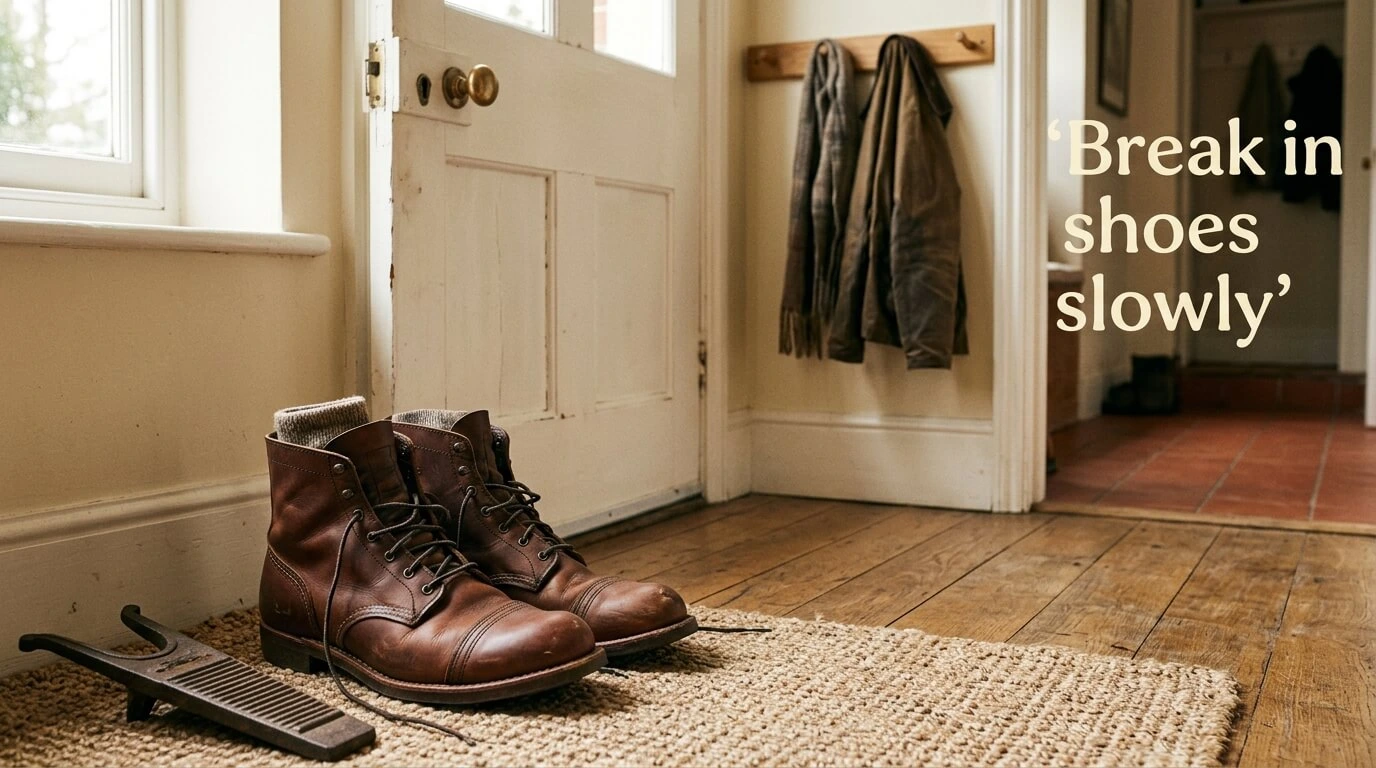
New footwear can be stiff, particularly around the heel, toe box, or sides. Your feet also need time to adapt to the new shape and pressure points.
Instead of wearing new shoes for eight hours immediately, start with short periods.
A simple approach is:
- Wear the shoes around your home for a short time.
- Check for areas that rub or feel tight.
- Remove the shoes before discomfort becomes significant.
- Repeat the process over several days.
- Gradually increase the wearing time.
This allows you to identify potential trouble spots before they become painful.
You can also walk around indoors on different surfaces to see how the footwear behaves. If your heel repeatedly slips or a particular seam rubs against your skin, it is better to discover the issue at home than during a long day outside.
Remember: Breaking in a shoe should not mean suffering through severe pain. If footwear remains painful despite gradual use, the problem may be its fit or design rather than simply its newness.
Wear the Right Socks
Socks can make a surprisingly large difference.
A good pair of socks can help manage moisture, reduce direct rubbing, and create a smoother layer between your foot and the shoe.
Look for socks that:
- Fit your feet properly
- Do not bunch up inside the shoe
- Have comfortable seams
- Manage moisture effectively
- Match the activity you are doing
- Stay in place while you walk
Avoid socks that are too loose because wrinkles can become friction points. Socks that are too tight can create pressure and discomfort.
For walking, hiking, running, or other activities involving prolonged movement, activity-specific socks may be helpful. Some are designed with cushioning in areas that experience greater pressure.
Do not automatically assume thicker socks are better. A very thick sock can make a shoe too tight, increasing pressure rather than reducing it. The goal is a comfortable combination of sock and footwear.
Keep Your Feet Dry
Moisture can make friction problems worse. When your feet become sweaty, the skin may soften, and movement inside the shoe can become more irritating.
This is particularly important during hot weather, exercise, hiking, travel, and long work shifts.
To manage moisture:
- Change socks when they become damp.
- Choose breathable footwear when appropriate.
- Allow shoes to dry completely between uses.
- Avoid wearing damp footwear for long periods.
- Consider moisture-managing socks for active days.
If your shoes become wet, give them enough time to dry before wearing them again. Rotating between pairs can make this easier.
Keeping your feet comfortable is not about making them completely dry at every moment. It is about preventing prolonged dampness that contributes to rubbing and irritation.
Reduce Friction Before It Starts
If you already know that a particular area tends to blister, prevention should begin before you put on your shoes.
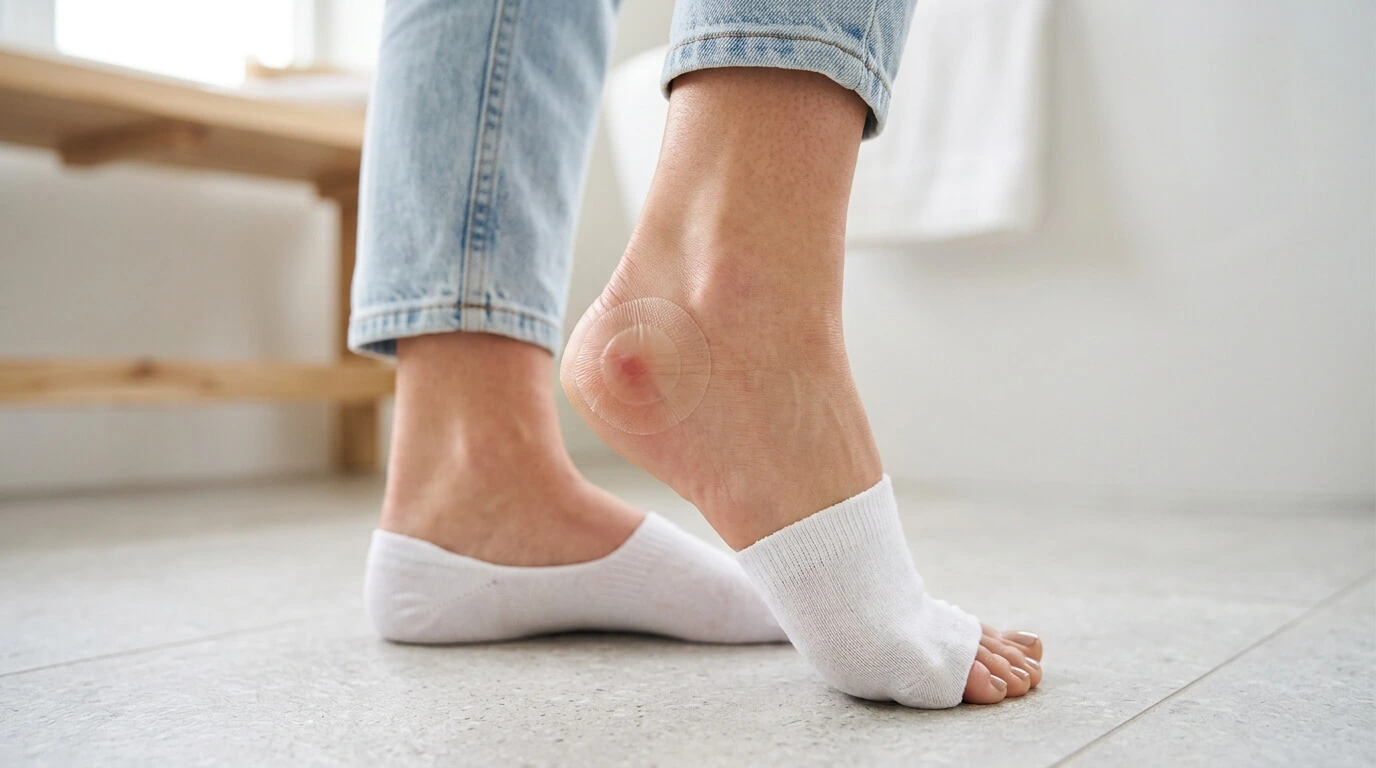
A friction-reducing product may help create a smoother surface between the skin and footwear. Depending on the location and activity, people may use products designed to reduce rubbing or protective coverings over vulnerable areas.
Common prevention options include:
- Anti-friction balm
- Protective tape
- Specialized blister-prevention patches
- Soft padding
- Properly positioned adhesive dressings
Apply protection to areas that regularly experience rubbing rather than waiting until the skin becomes painful.
For example, if your new shoes consistently rub the back of your heel, protecting that area before a long outing may be much more effective than trying to deal with an open blister afterward.
However, make sure any product you use is suitable for your skin and follow its instructions. If irritation develops, stop using it.
Protect Problem Areas With Padding
Some feet have natural pressure points. Perhaps your heel is particularly sensitive, or a certain toe repeatedly rubs against your footwear.
Padding can help reduce direct pressure and movement.
Useful options can include:
- Heel grips
- Soft shoe inserts
- Gel pads
- Moleskin-style protective material
- Toe protectors
- Cushioned blister patches
The placement matters. A poorly positioned pad can create a new pressure point.
If you use a heel grip, for example, make sure it does not make the shoe excessively tight. Likewise, an insole should fit properly without forcing your foot upward against the top of the shoe.
Sometimes a small adjustment can make a major difference. You do not necessarily need to replace an entire pair of shoes if a simple protective solution fixes the troublesome area.
Pay Attention to Shoe Materials and Design
The construction of a shoe can influence how much friction your feet experience.
Hard materials may require more time to become comfortable. Rough seams, stiff edges, decorative elements, and poorly placed stitching can all create areas of irritation.
When buying footwear, look inside the shoe as well as outside it.
A shoe may look beautiful from the outside but have an uncomfortable interior. Run your fingers along the inside and check for rough areas, sharp edges, or prominent seams.
Flexible materials can sometimes feel more comfortable for everyday walking, while structured footwear may provide better support for particular activities. The best choice depends on what you are doing and how your feet respond.
Your activity matters, too. Shoes designed for running are built differently from formal shoes, hiking footwear, work boots, or casual sneakers.
Choose footwear based on function, not appearance alone.
What to Do When You Feel a Hot Spot
A hot spot is an early warning sign.
It may feel like warmth, tenderness, stinging, or a small area of irritation. At this stage, you may still be able to prevent a full blister.
This is the moment to listen to your feet.
If possible, stop and remove the shoe. Check the area and identify what is causing the rubbing.
Ask yourself:
- Is the sock wrinkled?
- Is the shoe slipping?
- Is a seam rubbing?
- Is the area becoming sweaty?
- Is the shoe too tight?
- Do I need protective padding?
Fixing the cause early can prevent the problem from becoming much more painful.
Continuing to walk while ignoring a hot spot is like continuing to drive when the dashboard warning light appears. You may get away with it temporarily, but the underlying problem has not disappeared.
How to Prevent Blisters During Long Walks
Long walks require more preparation than a quick trip to the store.
Before a long outing, wear footwear that you have already tested. Avoid taking an untested pair of shoes on a full-day trip.
Before leaving:
- Wear comfortable, familiar footwear.
- Put on suitable socks.
- Check for early pressure points.
- Consider protecting known problem areas.
- Carry spare socks if you expect wet or sweaty conditions.
- Take blister protection with you.
- Make sure your shoes are securely fastened.
During the walk, pay attention to changes in comfort. Your feet may feel fine during the first hour and start developing friction later.
Taking a short break can give you an opportunity to inspect your feet and adjust your footwear.
For hiking and long-distance walking, this preparation becomes even more important because repeated friction over many miles can quickly turn a minor hot spot into a painful injury.
Common Mistakes That Make Blisters Worse
Sometimes the problem is not the shoe itself but the way we wear or manage it.
Wearing new shoes all day: This exposes your feet to prolonged friction before you know where the problem areas are.
Ignoring discomfort: Pain is useful information. If something repeatedly rubs, address it early.
Wearing damp socks: Moisture can increase discomfort and friction.
Choosing the wrong size: Both overly tight and excessively loose shoes can cause problems.
Using wrinkled socks: Folds create uneven pressure and rubbing.
Putting thick padding into an already tight shoe: This can increase pressure instead of solving the issue.
Popping a blister unnecessarily: Breaking the skin can increase the risk of irritation and infection.
Continuing the same activity after a blister develops: Repeated rubbing can delay healing and make the wound more painful.
The key is simple: do not wait until your feet are seriously painful before making adjustments.
How to Care for an Existing Blister
If a blister has already formed, the first step is to reduce further rubbing.
Keep the area clean and protected. A suitable blister dressing can provide cushioning and help prevent additional friction.
Avoid deliberately popping a small, intact blister unless there is a specific reason to do so. The overlying skin can provide a natural protective barrier.
If a blister breaks naturally, gently clean the area and protect it with an appropriate dressing. Avoid repeatedly rubbing or peeling the remaining skin.
Watch for signs that could indicate infection, such as increasing redness, warmth, swelling, worsening pain, or drainage that looks unusual.
People with conditions that affect healing or sensation in their feet should be particularly cautious and may need professional medical advice for foot injuries.
When Should You Get Professional Help?
Most ordinary friction blisters can be managed with basic care, but not every foot problem should be handled at home.
Consider seeking medical advice if:
- The area becomes increasingly red or swollen.
- Pain becomes severe.
- There is significant drainage or pus.
- You develop a fever.
- The wound does not seem to improve.
- Blisters repeatedly appear without an obvious cause.
- You have reduced sensation in your feet.
- You have a condition that can affect wound healing.
A healthcare professional can help determine whether the problem is simply friction or whether another foot or skin issue needs attention.
If blisters keep appearing in exactly the same place, it may also be worth examining your footwear, walking pattern, foot structure, and activity level.
Conclusion
Learning how to stop shoes from blistering starts with understanding friction and paying attention to your feet. The right fit, comfortable socks, gradual break-in, moisture control, and early protection can make a major difference.
You do not need to accept painful footwear as normal. Think of prevention as a small investment: a few minutes spent preparing your feet can save you from days of discomfort later.
Most importantly, listen to early warning signs. A little rubbing today can become a painful blister tomorrow, so deal with the problem before it gets that far.
Frequently Asked Questions
1. Why do my shoes keep giving me blisters?
Shoes may repeatedly cause blisters because of poor fit, excessive heel movement, tight areas, rough seams, moisture, unsuitable socks, or repeated friction. Identifying the exact rubbing point can help you choose the right solution.
2. Should I wear thick socks to prevent shoe blisters?
Not necessarily. Thick socks may provide cushioning, but they can also make shoes too tight. Choose socks that fit comfortably, stay in place, and manage moisture without creating extra pressure.
3. How can I stop new shoes from rubbing my heels?
Break them in gradually, wear comfortable socks, make sure the heel fits securely, and protect sensitive areas with an appropriate friction-reducing product or blister-prevention dressing before extended wear.
4. Is it better to pop a blister or leave it alone?
An intact blister often provides a natural protective layer, so it is generally better not to deliberately pop it without a good reason. Protect it from further rubbing and keep the area clean.
5. Can properly fitting shoes completely prevent blisters?
Properly fitting shoes can significantly reduce the risk, but they cannot guarantee that blisters will never occur. Activity level, moisture, socks, walking conditions, footwear materials, and individual foot shape can all influence friction.