

When you come across a product described as “supernaturel sprey,” you may wonder what it actually is, how it is used, and whether it is the right choice for you. The spelling may also appear differently depending on the seller, language, or product listing.
Spray products are popular because they are simple to apply and convenient to carry. Think of a spray bottle as a quick-delivery system: instead of spreading a product manually, it distributes a fine layer over the intended area. But convenience does not mean every spray works in the same way.This guide explains the idea behind supernaturel sprey, the features to examine, possible uses, safety considerations, storage advice, and practical tips for choosing a suitable product.
1. What Is Supernaturel Sprey?
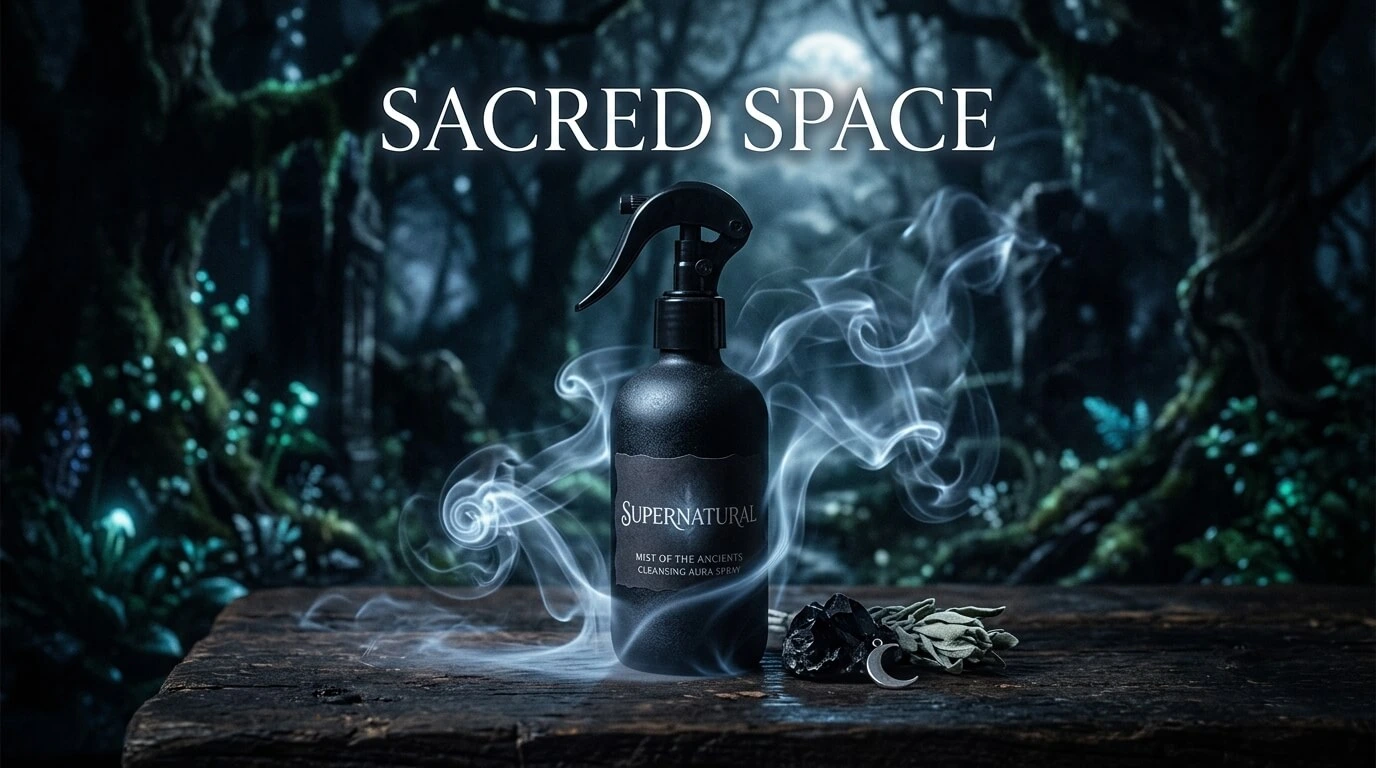
The term supernaturel sprey appears to be a spelling variation of “supernatural spray” rather than a clearly identifiable standardized product category. Search results do not establish one specific, universally recognized product under that exact spelling. Therefore, it is important to check the product’s brand name, label, ingredients, intended purpose, and manufacturer instructions before assuming what it does.
A spray can be designed for many different purposes. Some are made for personal care, some for fragrance, some for household cleaning, and others for specialized applications.
That is why the word “spray” alone does not tell you enough. The same basic bottle format can contain completely different formulas.
The most important rule is simple: identify the exact product before using it.
2. Why Are Spray Products So Popular?
Sprays have become common because they offer several practical advantages.
Easy application: A spray can distribute a product over a surface or area without requiring direct contact.
Convenience: Most spray bottles are lightweight and easy to use at home or while travelling.
Even distribution: Depending on the nozzle and formulation, spraying can create a relatively consistent layer.
Quick application: A spray can often be applied in seconds, making it useful when you do not want a lengthy routine.
Imagine painting a wall with a small brush versus using a suitable spray system. The spray can cover an area quickly, although the correct technique and product still matter.
However, convenience should never replace reading the instructions. A product should be used according to its intended purpose rather than simply because it comes in a spray bottle.
3. Understanding the Ingredients
Before purchasing any spray, take a moment to examine the ingredient list.
Ingredients tell you much more than attractive packaging. Depending on the product category, a formula might contain water, alcohol, fragrance compounds, botanical extracts, preservatives, solvents, oils, or other functional ingredients.
If the product is marketed as natural, that does not automatically mean it is suitable for everyone. Natural substances can still cause irritation or allergic reactions.
Likewise, the presence of a synthetic ingredient does not automatically mean a product is unsafe. Safety depends on the complete formulation, concentration, intended application, and instructions.
Look for these details on the label:
- Product purpose
- Full ingredient list
- Directions for use
- Warnings and precautions
- Manufacturer information
- Expiration or recommended-use information
- Storage instructions
When information is missing, it is better to investigate before applying the product.
4. Common Uses of Spray Products
The exact use of a product described as “supernaturel sprey” depends on what the manufacturer intends it to do.
Spray formats are commonly used for fragrance, personal care, household applications, surface treatment, fabric care, and other everyday purposes.
A fragrance spray, for example, is formulated differently from a household surface spray. A personal-care spray may have ingredients intended for skin contact, while a cleaning product may contain substances that should never be applied to the body.
This distinction is extremely important.
Never assume that a spray is safe for skin simply because it has a pleasant smell or natural-looking packaging.
Always check whether the label specifically says that the product is intended for skin, hair, clothing, surfaces, or another application.
5. How to Use a Spray Correctly
Correct application begins with reading the manufacturer’s directions.
First, determine where the product is intended to be used. Then check whether the label recommends shaking the bottle, keeping a particular distance, using a specific quantity, or allowing the product to dry.
For products used on surfaces, it may be appropriate to test a small hidden area first. This can help identify potential staining or material damage.
For personal-care products, a small-area test can also be useful when the manufacturer recommends it, especially if you have concerns about sensitivity.
Avoid spraying directly toward the eyes, mouth, or other sensitive areas unless the product is specifically designed for that use.
Ventilation is another consideration. If a product produces noticeable fumes or contains volatile ingredients, using it in an appropriately ventilated area can be important.
6. Choosing the Right Product
Choosing the right spray starts with your actual need.
Are you looking for fragrance? Household use? Fabric care? Personal care? Something else?
Once you know the purpose, compare products according to their intended application rather than simply choosing the one with the most attractive packaging.
Consider these factors:
- Purpose: Does the product solve your specific problem?
- Ingredients: Are you comfortable with the formulation?
- Instructions: Are they clear and easy to follow?
- Packaging: Is the bottle sealed and in good condition?
- Manufacturer: Is the company identifiable?
- Reviews: Do independent buyers report consistent experiences?
- Price: Does the cost make sense compared with similar products?
A higher price does not automatically guarantee better performance. Similarly, a cheap product is not necessarily poor quality.
The goal is to find the best match between purpose, formulation, usability, and value.
7. Natural and Synthetic Ingredients
One of the most common questions surrounding spray products is whether natural formulas are better than synthetic ones.
There is no universal answer.
Natural ingredients can include plant extracts, essential oils, and other substances derived from natural sources. Synthetic ingredients may be created or refined through controlled manufacturing processes.
Both categories can have benefits and limitations.
For example, some essential oils are strongly scented and may be irritating for certain individuals. On the other hand, synthetic fragrance ingredients can also cause sensitivity in some people.
“Natural” should therefore be viewed as a description of an ingredient source, not a guarantee of safety or effectiveness.
The same principle applies to “chemical-free” marketing. Technically, everything made of matter consists of chemicals, so consumers should focus on the actual ingredients and evidence rather than vague advertising language.
8. Safety Precautions to Remember
Safety should always come before convenience.
If the product is intended for the skin, follow its personal-care instructions. If it is designed for household use, keep it away from food, children, and pets unless the manufacturer states otherwise.
Important precautions include:
- Keep the product away from the eyes.
- Do not swallow or intentionally inhale the spray.
- Do not use it on damaged skin unless specifically instructed.
- Keep it away from flames if the label indicates that it is flammable.
- Follow ventilation recommendations.
- Do not mix different chemical products unless the manufacturer explicitly says it is safe.
- Keep the original label and instructions available.
If you experience unusual irritation after using a personal-care spray, stop using it and seek appropriate professional advice if symptoms are severe or persistent.

9. Storage and Product Care
Good storage can help preserve a product’s quality.
Many spray products should be kept tightly closed and stored in a cool, dry location away from direct sunlight. However, always follow the manufacturer’s specific storage instructions.
Heat can be particularly important for products containing volatile or flammable ingredients. Never leave such products near an open flame, hot appliance, or another significant heat source.
The spray nozzle also deserves attention. If the nozzle becomes blocked, avoid forcing sharp objects into it. Follow the manufacturer’s cleaning or maintenance instructions instead.
Proper storage is like taking care of a small machine: the better you maintain it, the more reliably it is likely to work.
10. Common Mistakes to Avoid
People often make simple mistakes when using spray products.
One common mistake is using too much. More product does not necessarily mean better results. Excessive application can create residue, strong odors, staining, or unnecessary exposure.
Another mistake is ignoring the intended surface. A product designed for glass may not be appropriate for wood, leather, fabric, or skin.
Some people also ignore warning labels because they assume that a familiar-looking product must be harmless.
Never judge a formula only by its appearance or smell.
Finally, avoid buying products when the packaging appears damaged, the seal is broken, or essential product information is missing.
11. How to Read a Product Label
A product label is one of your best sources of information.
Start with the product name and intended purpose. Next, read the directions carefully. Then examine the warnings and ingredients.
Pay particular attention to words such as “for external use only,” “avoid contact with eyes,” “flammable,” “keep out of reach of children,” or similar instructions.
If you are buying online, compare the seller’s description with the manufacturer’s information where possible.
Do not rely entirely on promotional claims such as “powerful,” “premium,” “natural,” or “instant.” Marketing language can attract attention, but the practical information is usually found in the ingredients, directions, warnings, and specifications.
12. Frequently Asked Questions
What is Supernaturel sprey?
“Supernaturel sprey” appears to be a spelling variation rather than a clearly defined universal product category. The exact meaning depends on the specific product or brand being referenced.
Is Supernaturel sprey safe to use?
Safety depends on the exact formula and intended use. Read the product label, ingredients, warnings, and directions before using it.
Can a spray be used directly on the skin?
Only if the product is specifically designed and labeled for skin application. Household or surface sprays should not be applied to the body.
Should natural spray products be considered completely safe?
No. Natural ingredients can still cause irritation or allergic reactions. Always follow the product instructions and consider the complete formulation.
How should spray products be stored?
In general, keep them tightly closed and away from excessive heat and direct sunlight. Always follow the storage instructions provided on the specific product.
13. Final Thoughts
The phrase supernaturel sprey may refer to a particular product or simply a spelling variation used in online searches. Because spray formulas can serve very different purposes, identifying the exact product is essential.
Before buying or using one, check its purpose, ingredients, instructions, warnings, manufacturer information, and storage requirements. A few minutes spent reading the label can make your experience safer and more informed.
Ultimately, the best spray is not necessarily the one with the boldest claims. It is the one that matches your needs, provides clear information, and is appropriate for its intended use.