
LED lighting has changed the way we think about brightness, energy use, and home design. From living rooms and bedrooms to offices, shops, cars, and outdoor spaces, LED technology is now part of everyday life. But with so many lighting terms appearing online, you may come across phrases such as pred led and wonder what they mean, how LED lighting works, and which option is right for you.
Choosing lighting is a little like choosing the right shoes. You need something that looks good, feels comfortable, suits the situation, and lasts long enough to justify the cost. The same idea applies to LED lights.
In this guide, we will explore the basics of pred led, modern LED technology, different types of LED lighting, important features, installation considerations, energy efficiency, maintenance, and buying tips. Whether you are upgrading your home or simply trying to understand LED products better, this guide will help you make a more informed choice.
1. What Is Pred LED?
The phrase pred led can appear in searches related to LED products and lighting technology. Because product names and descriptions can vary between manufacturers and retailers, it is important to look at the actual specifications rather than relying on a product name alone.
At its core, LED stands for Light Emitting Diode. Unlike traditional incandescent bulbs, LEDs create light by passing electrical current through a semiconductor. This process produces light efficiently while generating considerably less wasted heat than older lighting technologies.
Modern LED products are available in many forms. You can find standard replacement bulbs, ceiling fixtures, strip lights, panel lights, floodlights, spotlights, decorative lamps, automotive lighting, and smart lighting systems.
When researching any product described as pred led, look beyond the name. Check its brightness, power consumption, color temperature, dimensions, voltage requirements, installation method, warranty, and expected operating life.
The product specifications usually tell you much more than the marketing name.
2. How LED Lighting Works
How can such a small component produce so much light?
An LED uses a semiconductor material that emits photons when electrical current passes through it. The exact engineering is more complicated, but the basic idea is surprisingly simple.
Traditional incandescent bulbs use electricity to heat a thin filament until it becomes hot enough to glow. Much of the energy is released as heat rather than useful light. LEDs use a different process, allowing them to produce light with much less energy.
Most household LED bulbs also contain electronic components that control the incoming electricity. This allows the light-emitting components to operate properly and consistently.
An LED fixture may contain several individual LED components working together. A diffuser or lens then spreads the light to create the desired pattern.
This design gives manufacturers considerable flexibility. They can create narrow beams for spotlights, broad illumination for rooms, concentrated outdoor lighting, or flexible strips for decorative applications.
In simple terms, LED technology turns electricity into useful light without relying on a glowing wire.
3. Why LED Lights Are So Popular
There is a reason LED lighting has become common in homes and businesses. It offers several practical advantages.
Lower Energy Consumption
LEDs generally use less electricity than traditional incandescent lighting for a similar level of brightness. This can help reduce electricity consumption, particularly when lights are used for several hours each day.
Long Operating Life
Quality LED products can operate for many years under suitable conditions. Their actual lifespan depends on the product, operating temperature, electrical conditions, and usage pattern.
Less Heat
LEDs normally produce less waste heat than incandescent bulbs. However, they still generate heat at the semiconductor and electronic components, which is why good thermal design remains important.
Design Flexibility
LEDs can be manufactured in many shapes and sizes. They can be built into thin panels, flexible strips, compact bulbs, decorative fixtures, and powerful outdoor lamps.
Instant Illumination
Many LED products reach full brightness almost immediately after being switched on.
Wide Range of Colors
LED technology makes it possible to create different white tones and, in some products, millions of colors.
These advantages make LEDs useful for both practical illumination and decorative design.
4. Different Types of LED Lighting
Not every LED product serves the same purpose. Understanding the major categories can make shopping much easier.
LED Bulbs
These are designed to replace traditional household bulbs. They are available in different shapes, bases, brightness levels, and color temperatures.
They are a simple choice when you want to upgrade an existing lamp or light fixture without replacing the entire fitting.
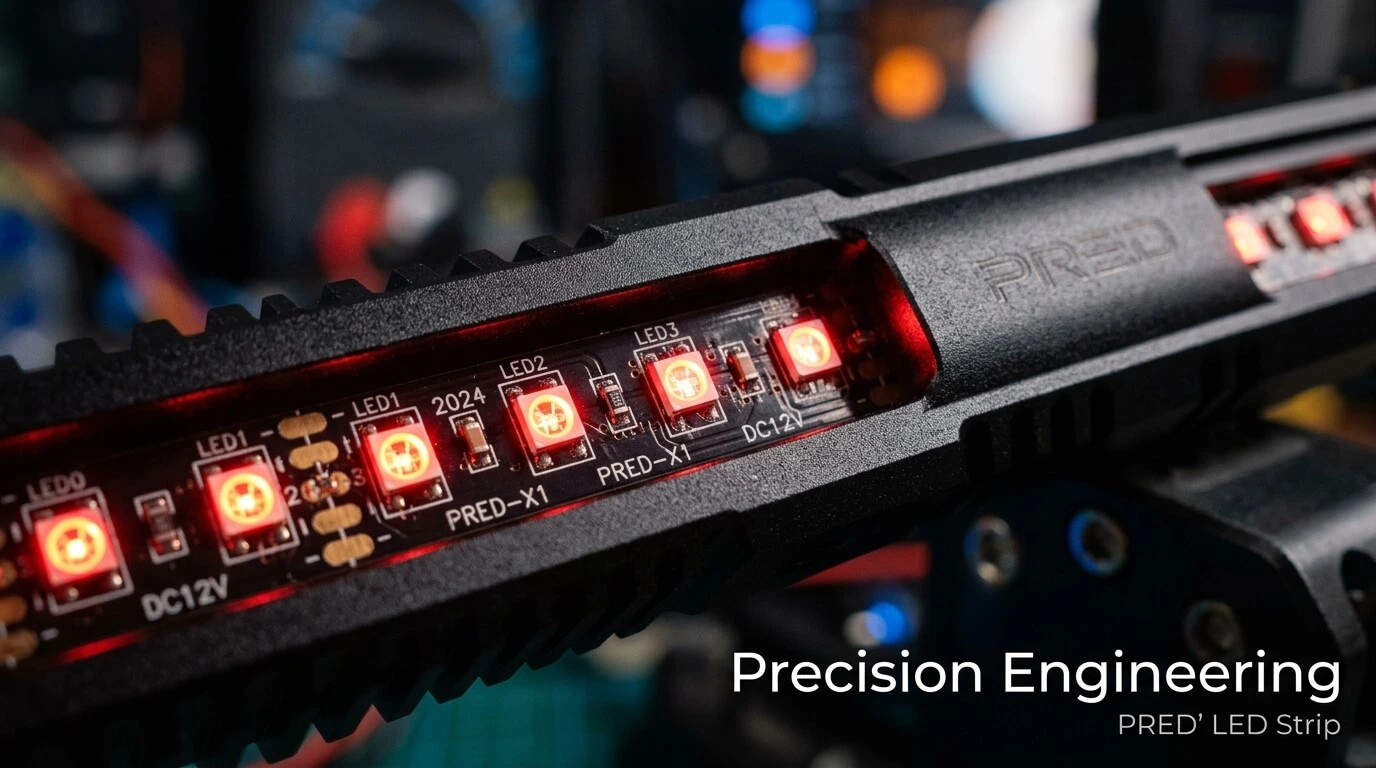
LED Strip Lights
Strip lights consist of small LEDs mounted along a flexible strip. They are commonly used beneath cabinets, around ceilings, behind televisions, inside furniture, and for decorative effects.
Some versions can change colors or connect to smart-home systems.
LED Panels
Panel lights provide broad, relatively even illumination. They are particularly common in offices, schools, commercial buildings, kitchens, and modern interiors.
LED Downlights
Downlights are installed into or attached to ceilings and direct light downward. They are useful when you want clean, focused illumination.
LED Floodlights
Floodlights produce a broad beam and are often used outdoors. They can illuminate driveways, gardens, entrances, building exteriors, and security areas.
Smart LED Lights
Smart LEDs can connect to mobile applications, voice assistants, or home automation systems. Depending on the product, you may be able to adjust brightness, color, schedules, and scenes remotely.
The best type depends on where you need the light and what you want it to accomplish.
5. Understanding LED Brightness
One common mistake is choosing an LED bulb based only on watts.
With older incandescent bulbs, people often used wattage as a rough indication of brightness. With LEDs, lumens are more useful.
Lumens measure the amount of visible light produced by a source. A higher lumen rating generally means more light.
Watts, on the other hand, measure electrical power consumption.
For example, two LED bulbs could produce similar brightness while consuming different amounts of electricity. Looking at both lumens and watts gives you a clearer picture of performance.
Think About the Room
A bedroom may not require the same brightness as a kitchen or workshop.
You should consider:
- Room size
- Ceiling height
- Wall and furniture colors
- Number of fixtures
- Purpose of the room
- Amount of natural daylight
A bright work area may benefit from stronger illumination, while a bedroom may be more comfortable with softer lighting.
Do not simply choose the brightest bulb available. Choose the brightness that fits the job.
6. Choosing the Right Color Temperature
Have you ever noticed that some lights look warm and cozy while others feel bright and almost bluish?
That difference is largely related to color temperature, measured in Kelvin (K).
Warm White
Warm white lighting generally creates a comfortable, relaxing atmosphere. It is popular in bedrooms, living rooms, restaurants, and other spaces where people want a cozy feeling.
Neutral White
Neutral white sits between warm and cool lighting. It can work well in kitchens, offices, bathrooms, and general-purpose areas.
Cool White
Cooler light can appear brighter and more energetic. It is commonly used in workspaces, garages, retail areas, and places where clear visibility is important.
Daylight-Style Lighting
Some products offer a daylight-like appearance with a higher color temperature. This can be useful where strong visual clarity is desired.
The right choice is ultimately personal and depends on the environment.
Warm lighting feels like a soft blanket, while cooler lighting feels more like a clear morning sky.
7. Pred LED and Energy Efficiency
Energy efficiency is one of the biggest reasons consumers move toward LED technology.
Imagine two buckets. One has a small hole and loses very little water, while another leaks heavily. If you want to fill both buckets, the leaky one requires more water.
Lighting efficiency works in a similar way. Older technologies can waste a greater portion of electrical energy as heat. LED technology is designed to convert a larger share of the electrical input into useful illumination.
However, not every LED product performs equally.
Efficiency can vary depending on:
- LED chip quality
- Driver electronics
- Thermal management
- Product design
- Operating conditions
- Brightness settings
- Fixture design
If saving electricity is important to you, compare lumens per watt when reliable specifications are available.
Also remember that reducing electricity consumption does not necessarily mean sacrificing comfort. Properly selected LEDs can provide excellent illumination while using relatively little power.
Energy efficiency is about getting useful light without unnecessarily wasting electricity.

8. Where Can LED Lighting Be Used?
The versatility of LED technology is one of its strongest features.
Homes
LEDs can be used throughout a house, including:
- Living rooms
- Bedrooms
- Kitchens
- Bathrooms
- Hallways
- Garages
- Gardens
- Balconies
Offices
Businesses can use LED panels, ceiling fixtures, task lighting, and desk lamps to create comfortable working environments.
Retail Stores
Lighting can influence how products look and how customers experience a store. Carefully selected LEDs can highlight displays and create attractive environments.
Outdoor Areas
Weather-appropriate LED products can illuminate pathways, entrances, patios, gardens, and building exteriors.
Automotive Applications
LED technology is also widely used in vehicle lighting, including headlights, brake lights, indicators, interior lighting, and decorative applications.
Decorative Projects
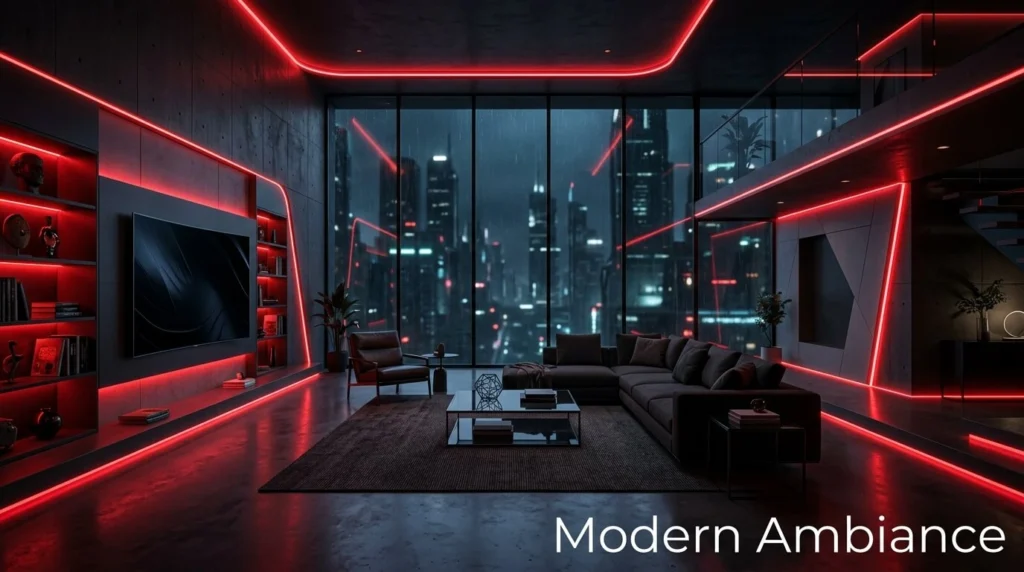
LED strips and color-changing products are particularly popular for interior design. They can create accent lighting around shelves, ceilings, entertainment centers, and furniture.
Few lighting technologies offer the same combination of size, efficiency, flexibility, and control.
9. Installation and Safety Considerations
LED products may be efficient, but installation still needs attention.
Before installing a light, check its electrical requirements. Some products operate directly from household mains electricity, while others require a transformer or driver.
Never assume that every LED fixture can simply replace every existing bulb.
Check Voltage
Make sure the product’s voltage matches the electrical system or use the correct driver where required.
Check Compatibility
Dimmable LED products are specifically designed for dimming systems. A standard LED bulb may flicker or behave incorrectly when connected to an incompatible dimmer.
Consider Heat Management
LEDs produce less heat than incandescent bulbs, but they still need appropriate heat dissipation. Enclosing a product in a fixture that it was not designed for can affect its performance and lifespan.
Outdoor Installation
For outdoor use, check the product’s weather-resistance rating and installation requirements.
When in Doubt, Get Professional Help
Electrical work can be dangerous. If installation involves mains wiring or changes to fixed electrical systems, using a qualified electrician is the safest approach.
Good lighting starts with good installation.
10. Common LED Lighting Problems
Although LEDs are generally reliable, problems can occur.
Flickering
Flickering can result from an incompatible dimmer, poor-quality driver, unstable electrical supply, or another compatibility issue.
Light Is Too Dim
The product may simply have a low lumen rating, or the fixture may not distribute light effectively.
Color Looks Different
LED products can vary in color appearance. Even bulbs described with similar color-temperature numbers can sometimes look slightly different.
Premature Failure
An LED product that fails much earlier than expected may have experienced excessive heat, voltage problems, poor electronics, manufacturing defects, or unsuitable installation conditions.
Buzzing or Humming
Some LED drivers or dimming systems can produce audible noise. If a light makes an unusual sound, checking compatibility and product quality is worthwhile.
A problem with an LED light does not automatically mean the LED technology itself is bad. Often, the issue comes from compatibility, installation, or product quality.
11. How to Choose the Right LED Product
Shopping for LED lighting can feel overwhelming because there are so many specifications.
Here is a simple checklist.
1. Decide the Purpose
Ask yourself what you actually need the light to do.
Do you need general room lighting, focused task lighting, decoration, outdoor illumination, or security lighting?
2. Check Lumens
Use lumens to compare brightness rather than relying only on wattage.
3. Select Color Temperature
Choose warm, neutral, or cool lighting according to the atmosphere and task.
4. Check Dimensions
Make sure the bulb or fixture physically fits the intended location.
5. Check Voltage
Confirm that the electrical requirements match your installation.
6. Consider Dimming
If you want adjustable brightness, choose a product specifically labeled as dimmable and ensure your dimmer is compatible.
7. Look at the Warranty
A meaningful warranty can provide additional confidence, especially for more expensive fixtures.
8. Consider Quality
The cheapest option is not always the best value. Poor-quality electronics can lead to flickering, early failure, inconsistent color, or reduced performance.
Think about total value rather than simply looking for the lowest price.
12. Maintenance and Lifespan
One of the attractive features of LED lighting is its relatively low maintenance requirement.
Still, a little care can help keep your lights performing well.
Keep Fixtures Clean
Dust can accumulate on lenses and diffusers, reducing the amount of light that reaches the room.
Turn the light off and allow it to cool before cleaning. Follow the manufacturer’s cleaning instructions.
Avoid Excessive Heat
Good airflow and appropriate fixture design can help LED components operate within suitable temperatures.
Inspect Outdoor Fixtures
Outdoor lights should occasionally be checked for dirt, moisture intrusion, physical damage, or loose components.
Replace Damaged Products
If a fixture becomes cracked, exposed, unusually hot, or electrically damaged, stop using it and have it inspected or replaced.
LED lifespan is often described in terms of operating hours, but that does not necessarily mean the light will suddenly stop working at that exact point. Some products gradually lose brightness over time.
Good maintenance helps protect both performance and safety.
13. The Future of LED Lighting
LED technology continues to evolve.
Modern lighting is increasingly connected to digital controls, sensors, automation, and smart-home systems. Instead of simply turning lights on and off, users can create schedules, adjust brightness, change colors, and connect lighting with other devices.
Motion sensors can automatically activate lights when someone enters an area. Daylight sensors can adjust illumination according to natural light levels. Smart systems can allow users to control lighting remotely.
Another important trend is improved efficiency and better optical design. Manufacturers continue to work on producing more useful light while reducing energy consumption.
LED lighting is also becoming an important part of architectural and interior design. Thin fixtures, hidden strips, integrated lighting, and customizable colors allow designers to treat light as part of the structure rather than simply placing a bulb in the ceiling.
The future of lighting is not only about making spaces brighter. It is about making light more useful, comfortable, efficient, and controllable.
14. Final Thoughts
Whether you searched for pred led because you are researching a specific product or simply trying to understand modern LED technology, the most important lesson is simple: look beyond the name and examine the specifications.
Brightness, color temperature, efficiency, compatibility, installation requirements, quality, and intended use all matter.
LED lighting can be an excellent choice for homes, offices, commercial spaces, vehicles, and outdoor environments. With the right product and proper installation, you can create comfortable illumination while potentially reducing energy use and maintenance needs.
The best light is not necessarily the brightest or cheapest one. It is the one that fits your space, your needs, and your budget.
15. Frequently Asked Questions
What does pred led mean?
Pred led may refer to a product name, search phrase, or terminology used in connection with LED lighting. Because naming can differ between manufacturers, check the specific product specifications to understand exactly what is being offered.
Are LED lights better than traditional bulbs?
LED lights generally offer advantages such as lower energy consumption, long operating life, and design flexibility. However, the best lighting choice depends on the application, product quality, and installation.
What should I check when buying an LED light?
Look at lumens, watts, color temperature, voltage, dimensions, compatibility, dimming capability, warranty, and intended use. These specifications can help you compare products more effectively.
Do LED lights use a lot of electricity?
LEDs are generally designed to provide useful illumination with relatively low electrical power compared with older incandescent technology. Actual consumption depends on the product’s wattage and how long it operates.
How long can LED lights last?
Many LED products are designed for long operating lives, but actual performance depends on construction quality, heat management, electrical conditions, and usage. Always check the manufacturer’s rated lifespan for a particular product.