
Introduction
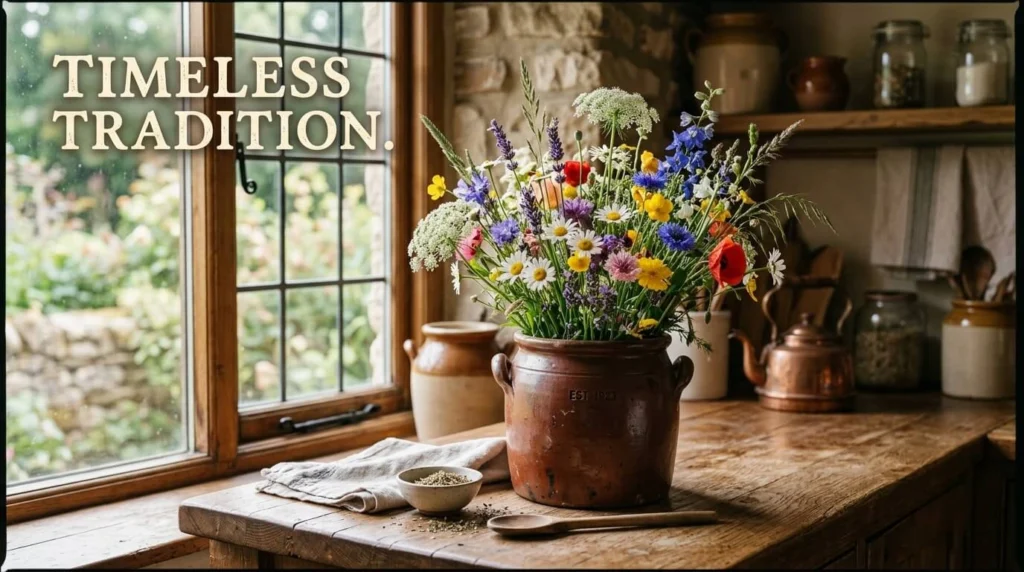
Crocks may not be as common in modern homes as plastic containers or glass jars, but these traditional vessels have a fascinating history. Made primarily from pottery or stoneware, crocks have been used for centuries to store, preserve, ferment, and display food and household goods.
From old-fashioned kitchens to modern farmhouse interiors, they continue to attract attention because they combine practicality with timeless character.
So, what exactly is a crock, and why did people depend on them so heavily in the past? More importantly, can they still be useful today?
Let’s explore the history, types, uses, benefits, care requirements, and modern appeal of crocks.
What Are Crocks?
A crock is a sturdy container traditionally made from pottery, ceramic, or stoneware. Depending on its size and design, it can be used for storing food, fermenting vegetables, holding liquids, or serving decorative purposes.
Historically, crocks were particularly valuable because they offered a durable alternative to containers made from less suitable materials.
Many traditional crocks have a wide opening at the top. This made it easier to place food inside, remove stored items, and clean the container.
Some were simple and plain, while others featured painted designs, colored glazes, markings, or decorative patterns.
Large crocks could hold substantial quantities of food, making them useful for households that needed to preserve produce for weeks or months.
Think of a traditional crock as an old-fashioned pantry container. Before refrigerators and modern food-storage systems became widespread, a good crock could be an important part of keeping a household supplied.
The History of Crocks
The history of crocks is closely connected with the development of pottery and food preservation.
For centuries, people have used clay-based containers to store food and liquids. Pottery was particularly useful because clay could be shaped into strong vessels and hardened through firing.
As pottery techniques developed, manufacturers began producing stronger containers with improved finishes.
Stoneware became especially important for storage. It was durable, relatively resistant to moisture, and suitable for many household applications.
Crocks became common in kitchens, farmhouses, markets, and general stores.
Before modern refrigeration, families needed reliable ways to preserve seasonal foods. A harvest might provide more vegetables than a family could eat immediately. Instead of allowing the excess produce to spoil, people could preserve it using methods such as salting, pickling, or fermentation.
Crocks provided an excellent environment for many of these techniques.
Over time, traditional crocks became associated with rural kitchens and farmhouse life.
Today, antique crocks are also collected because they provide a physical connection to everyday life in earlier generations.
How Crocks Were Traditionally Made
Traditional crock production required skilled craftsmanship.
The process began with clay, which had to be prepared before being shaped. Depending on the manufacturing method, potters could form the clay by hand or use a wheel and other tools.
Once the basic container had been created, it needed to dry.
The vessel was then fired in a kiln at high temperatures. This transformed the soft clay into a hard ceramic material.
Many crocks were covered with a glaze.
Glazing served both practical and decorative purposes. It could help create a smoother surface and make the container easier to clean, while also giving it a distinctive appearance.
Salt glazing was another historic technique associated with stoneware. It could produce a characteristic surface that collectors often recognize.
Traditional production was not simply about making something attractive. The goal was to create a container capable of surviving everyday use.
That durability explains why some antique crocks have survived for generations.
Different Types of Crocks
Not every crock was designed for the same purpose.
Storage Crocks
Storage crocks were used to hold food and household supplies.
They could range from relatively small containers to large vessels capable of holding significant quantities.
Fermentation Crocks
Fermentation crocks are specifically designed for fermenting foods such as vegetables.
Many traditional designs use a heavy lid or other system that helps create an appropriate environment for fermentation.
Modern fermentation enthusiasts sometimes use these containers to prepare foods such as sauerkraut and other fermented vegetables.
Butter Crocks
Smaller crocks could be used for storing butter.
Some designs were created specifically for keeping butter protected and accessible.
Pickling Crocks
Pickling was another important historical use.
Large containers could hold vegetables along with saltwater or vinegar-based solutions, depending on the preservation method.
Decorative Crocks
Today, some crocks are purchased primarily for their appearance.
Decorative examples can be displayed on shelves, countertops, tables, porches, or other areas of the home.
A crock can therefore be both a useful container and a piece of decoration.

Common Uses for Crocks
The versatility of crocks is one reason they have remained interesting for so long.
Food Storage
Historically, crocks were commonly used for storing various foods.
Their sturdy construction helped protect contents from damage.
Fermentation
Fermentation is one of the most recognizable modern uses.
People interested in traditional food preparation may use fermentation crocks to prepare vegetables and other foods.
Pickling
Crocks can also be associated with traditional pickling practices.
A large opening makes it relatively easy to place ingredients inside and monitor the process.
Kitchen Decoration
Even when they are no longer used for food, crocks can add character to a kitchen.
A large ceramic vessel on a counter or shelf can create a classic farmhouse appearance.
Plant Containers
Some people repurpose old crocks as planters.
A suitable container can provide an attractive home for flowers, herbs, or decorative plants, provided it has appropriate drainage.
Household Storage
Smaller crocks can be used to hold utensils, kitchen tools, or other household items.
This is particularly useful when you want practical storage that also looks attractive.
Crocks for Food Preservation
Food preservation is perhaps the most historically significant use of crocks.
Before modern refrigeration, preserving food was essential.
Imagine growing a large crop of cabbage in autumn. Eating all of it immediately would be impossible. Without preservation, much of the harvest could go to waste.
Fermentation and pickling changed that.
Crocks offered a suitable environment for these methods.
Fermented vegetables could be stored for later consumption, helping families make better use of seasonal produce.
Salt was also an important preservation ingredient historically.
The crock essentially acted like a protective home for the food while the preservation process took place.
Modern consumers have rediscovered these techniques partly because of growing interest in traditional cooking and homemade foods.
However, food safety remains important. Anyone using a crock for fermentation or preservation should follow a reliable, tested recipe and appropriate food-safety practices.
Crocks in Modern Kitchens
Although technology has changed dramatically, crocks still have a place in modern kitchens.
Modern kitchens often combine stainless steel appliances, glass containers, wooden boards, and ceramic accessories.
A crock fits naturally into this environment.
Its appearance can add warmth to an otherwise highly modern kitchen.
Some homeowners use crocks to hold wooden spoons and cooking utensils. Others use them for decorative purposes or food preparation.
Fermentation enthusiasts may choose specialized crocks designed specifically for that purpose.
The important thing is to understand the difference between a decorative crock and one designed for food use.
If you plan to store or prepare food in one, make sure the container is suitable for food contact, clean, intact, and appropriate for the task.
Decorative and Home Uses
Crocks have become popular in interior design because they offer a sense of history.
A new plastic container can be useful, but it rarely creates the same visual feeling as an aged ceramic vessel.
Farmhouse Style
Crocks work especially well with farmhouse-inspired interiors.
Their earthy appearance complements wood, natural fabrics, vintage furniture, and neutral colors.
Rustic Decoration
A large crock can become a centerpiece on a shelf, table, or countertop.
You can display it alone or fill it with branches, flowers, or decorative objects.
Entryway Storage
Smaller crocks can hold keys, small accessories, or other everyday objects.
Kitchen Utensil Holder
This is one of the simplest practical applications.
Place cooking spoons, spatulas, whisks, or other tools inside a crock and keep them close to the cooking area.
The result is useful storage that also looks decorative.
How to Choose the Right Crock
Choosing a crock depends on what you want to do with it.
Consider the Size
Think about how much space you have and what you want to store.
A small crock may be perfect for utensils, while a large vessel may be more appropriate for fermentation or bulk storage.
Check the Condition
If you’re buying an antique crock, inspect it carefully.
Look for cracks, chips, repairs, or other damage.
Some imperfections may add character, but structural damage can affect safety and usefulness.
Consider the Interior
If the crock will be used for food, the interior condition is particularly important.
You want a surface that can be properly cleaned and is appropriate for food contact.
Think About the Design
For decorative purposes, appearance may be the main consideration.
Look for colors, patterns, shapes, and markings that complement your home.
New or Antique?
A new crock can offer predictable construction and modern usability.
An antique crock, on the other hand, can provide history and character.
The choice depends on whether you value practicality, authenticity, collecting, or decoration.
Cleaning and Caring for Crocks
Proper care can help your crock last for many years.
For routine cleaning, use gentle methods appropriate for ceramic or stoneware.
Avoid harsh chemicals unless they are specifically suitable for the material and intended use.
If a crock has been used for food, cleaning becomes even more important.
Allow it to dry thoroughly after washing.
Do not assume that every antique crock is automatically safe for food use. Older ceramics may have unknown glazes, damage, or previous uses that make them unsuitable for modern food storage.
Decorative antique crocks can often be better treated as display pieces.
When storing a crock, place it somewhere stable where it will not easily be knocked over.
Large stoneware containers can be surprisingly heavy.
Benefits and Drawbacks of Crocks
Like any traditional household item, crocks have advantages and disadvantages.
Benefits
Durability: Quality stoneware can be extremely long-lasting.
Timeless appearance: Crocks can complement traditional and modern interiors.
Versatility: They can be used for storage, decoration, fermentation, and more.
Reusable: Unlike many disposable containers, a good crock can be used repeatedly.
Historical appeal: Antique examples can have significant character.
Food preservation: Specialized crocks can be useful for traditional fermentation and preservation.
Drawbacks
Heavy: Stoneware is much heavier than plastic or some modern storage materials.
Breakable: Although durable, ceramic can crack or break if dropped.
Requires care: Antique pieces may need special handling.
Space: Large crocks can take up considerable room.
Food-safety concerns: Not every old crock should be used for food.
The right choice therefore depends on your needs.
Why Crocks Remain Popular
Why would anyone choose a traditional ceramic container when modern alternatives are everywhere?
The answer goes beyond practicality.
Crocks represent durability, simplicity, and tradition.
In a world filled with disposable products, there is something appealing about an object designed to last.
They also have a visual quality that modern mass-produced containers often lack.
Every scratch, glaze variation, and handmade detail can tell a story.
For collectors, an old crock may represent a particular period, manufacturer, region, or household tradition.
For homeowners, it may simply look beautiful.
For cooks, it can provide a useful tool for traditional food preparation.
That combination of history and practicality is what keeps crocks relevant.
Crocks and Sustainable Living
The renewed interest in crocks also connects with the broader idea of sustainable living.
Using durable containers repeatedly can reduce dependence on disposable storage products.
A well-made crock can remain useful for many years.
Of course, sustainability depends on how a product is manufactured, transported, maintained, and eventually disposed of. Still, choosing long-lasting household items can be part of a more thoughtful approach to consumption.
Instead of buying something designed to be replaced quickly, you can choose something designed to stay with you.
That philosophy is one reason traditional household products continue to attract modern consumers.
Collecting Antique Crocks
Antique crocks have become collectible items.
Collectors may look for particular shapes, colors, manufacturers, markings, or historical characteristics.
Some pieces are relatively common, while others can be much harder to find.
If you are interested in collecting, research is important.
Do not assume that every old crock is valuable simply because it is old.
Condition, rarity, provenance, craftsmanship, and market demand can all influence value.
Look carefully at markings and construction rather than relying solely on appearance.
A damaged but rare piece may interest a collector, while a common example in excellent condition may have a different market position.
The most enjoyable approach is often to collect pieces you genuinely like rather than buying solely because you expect them to increase in value.
Conclusion
Crocks are much more than old-fashioned pottery containers. They represent a long tradition of food storage, preservation, craftsmanship, and practical household design.
From fermentation and pickling to kitchen organization and home decoration, their uses have evolved over time.
Their enduring appeal comes from a combination of usefulness and character.
Whether you want a crock for cooking, collecting, decorating, or simply appreciating traditional craftsmanship, these sturdy vessels offer something that many modern containers cannot: a connection to the past.
Frequently Asked Questions
1. What is a crock used for?
A crock can be used for food storage, fermentation, pickling, kitchen organization, decoration, and various household purposes. The appropriate use depends on its design and condition
2. Are crocks good for fermentation?
Yes, specialized fermentation crocks can be excellent for fermenting foods such as vegetables. Always use a reliable recipe and follow appropriate food-safety practices.
3. Are antique crocks safe for food?
Not necessarily. Antique ceramics may have unknown glazes, damage, or previous uses. Before using an antique crock for food, determine whether it is suitable for food contact.
4. Can crocks be used as planters?
Yes. Some crocks can make attractive planters. However, adequate drainage is important for most plants, so the container should be suitable for that purpose.
5. Why are antique crocks collectible?
Antique crocks can be collectible because of their age, craftsmanship, markings, rarity, condition, and historical character. Their value varies considerably from one piece to another.