

Introduction
Furniture is more than something we use to sit, sleep, eat, or store our belongings. It helps shape the personality of a home. A carefully chosen sofa can make a living room feel welcoming, while the right dining table can turn ordinary meals into memorable family moments.
When you focus on furniture, you are really thinking about how you want to live in your space. What do you need every day? How much room do you have? Which designs make you feel comfortable? And how can you create a beautiful interior without wasting money?
This guide explores the most important things to consider when selecting, arranging, and maintaining furniture for modern homes.
1. Understanding the Importance of Furniture
Furniture provides the foundation of almost every interior. Imagine entering an empty house. The walls may be painted beautifully and the flooring may look impressive, but the space will probably feel unfinished. Add a comfortable sofa, a dining set, a bed, storage units, and a few carefully selected pieces, and suddenly the house begins to feel like a home.
Furniture serves three major purposes:
- Comfort: It gives you places to sit, sleep, relax, work, and eat.
- Function: It helps organize possessions and makes daily activities easier.
- Style: It contributes to the visual identity of your home.
Good furniture should balance all three. A beautiful chair that becomes uncomfortable after ten minutes is not necessarily a good purchase. Similarly, an extremely comfortable sofa that overwhelms your entire living room may not be practical.
Think of furniture as the clothing of your home. Just as clothes should fit your body and personality, furniture should fit your room and lifestyle.
2. Choosing Furniture for Your Lifestyle
Before looking at colors and designs, think about how you actually use your home.
Do you regularly entertain guests? Do children use the living room? Do you work from home? Do you have pets? Do you need additional storage?
Your answers should influence your choices.
A household with young children might benefit from durable upholstery, rounded edges, and easy-to-clean surfaces. Someone who works from home may need an ergonomic desk and supportive office chair. A person living alone in a small apartment may prefer compact pieces that provide multiple functions.
Start with your everyday needs.
Instead of buying furniture simply because it looks attractive in a showroom, ask yourself whether it will make your daily life easier. This simple habit can prevent expensive mistakes.
3. Finding the Right Furniture Style
Furniture comes in countless styles, from traditional and rustic to contemporary, minimalist, industrial, and Scandinavian-inspired designs.
You don’t necessarily have to follow one style throughout your home. Mixing styles can create character when it is done thoughtfully.
Popular furniture styles include:
- Modern: Clean shapes and simple designs.
- Traditional: Detailed craftsmanship and classic silhouettes.
- Minimalist: Simple pieces with little visual clutter.
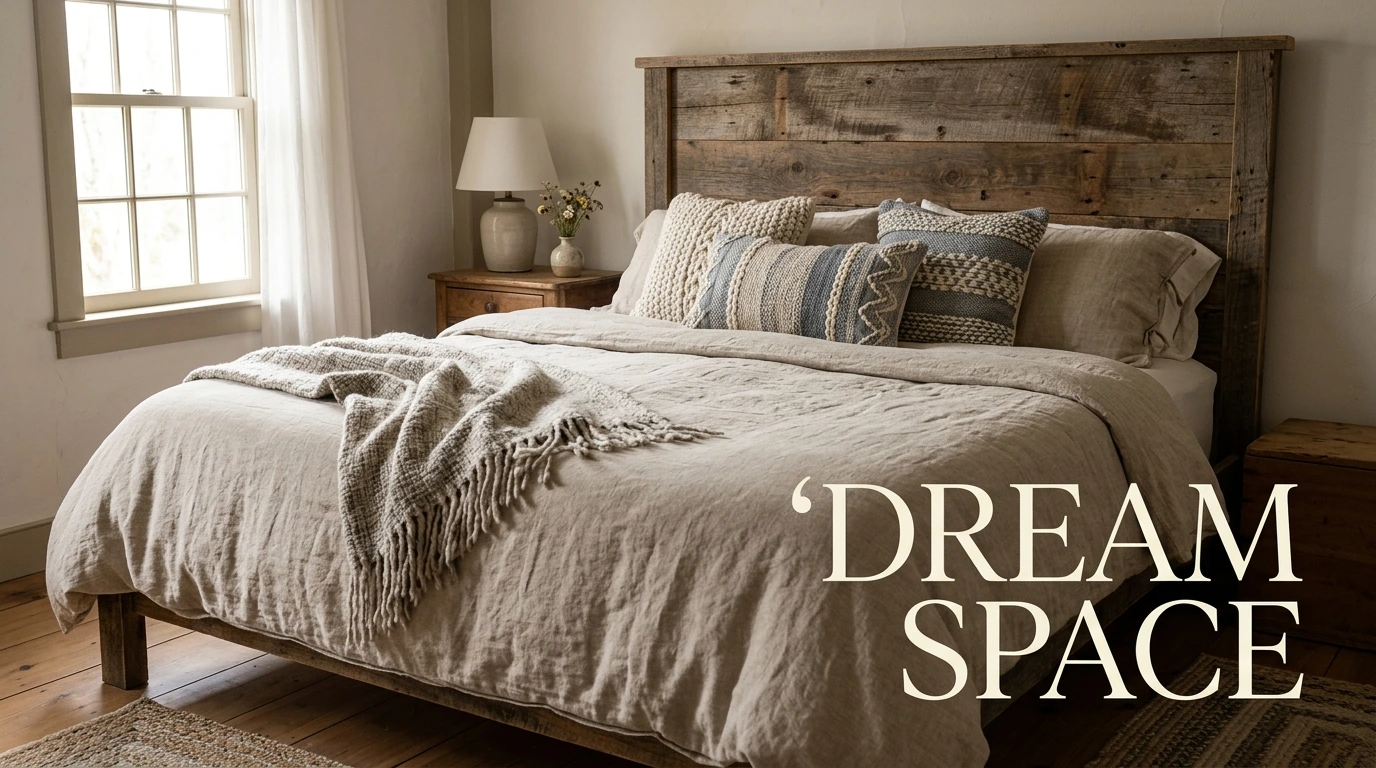
- Rustic: Natural materials and a warm, relaxed appearance.
- Industrial: Metal, wood, and functional forms.
- Scandinavian: Light colors, natural materials, and practical design.
The key is consistency. If every piece competes for attention, the room can feel chaotic. Instead, choose a dominant style and introduce complementary pieces around it.
4. Measuring Your Space Before Buying
One of the easiest furniture mistakes is purchasing something without checking its dimensions.
A sofa may look perfect online, but what happens when it arrives and blocks the doorway? A large dining table may look elegant, but you still need enough space to pull out chairs comfortably.
Measure before you buy.
Record the length and width of the room. Measure doorways, stairways, elevators, and other areas through which the furniture must pass.
You should also consider walking space. Furniture should not make movement difficult.
A useful approach is to create a simple floor plan. Mark windows, doors, radiators, electrical outlets, and other permanent features. Then consider where each piece can realistically fit.
Remember: a furniture piece should fit the room, not force the room to fit around it.
5. Comfort and Functionality Matter
Looks attract us, but comfort determines whether we continue enjoying a piece.
When buying a sofa or chair, consider seat depth, back support, height, and cushioning. If possible, sit on the furniture before purchasing it.
Beds require similar attention. Your mattress is particularly important because you spend many hours using it. A stylish bed frame is useful, but the sleeping experience should come first.
Tables and desks should also have practical heights. Storage furniture should provide enough capacity without making the room feel crowded.
Ask practical questions before purchasing:
- Is it comfortable?
- Is it easy to clean?
- Does it provide enough storage?
- Will it work with my existing furniture?
- Can I use it for several years?
- Is it suitable for the people who will use it?
These questions shift your attention from impulse buying to thoughtful purchasing.
6. Choosing Quality Materials
The material used in furniture affects its appearance, durability, maintenance, and price.
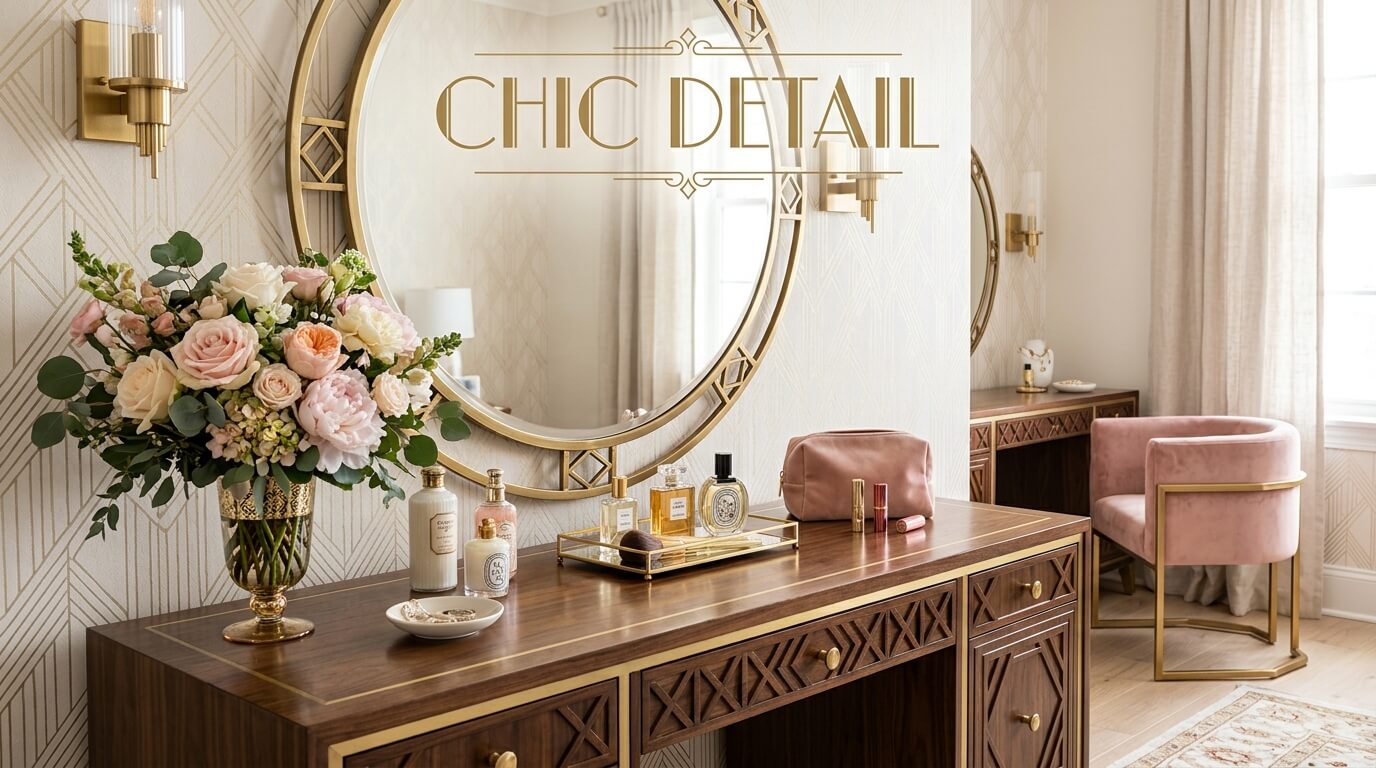
Wood remains a popular choice because it can create warmth and character. Metal can provide strength and a contemporary appearance. Glass can make certain spaces feel visually lighter, while upholstered materials offer softness and comfort.
Pay attention to construction, not just appearance.
Look at joints, hinges, drawer mechanisms, stitching, finishes, and frame construction. A low price can be attractive, but replacing poor-quality furniture repeatedly may ultimately cost more.
That does not mean expensive furniture is always better. A sensible buyer compares construction and materials rather than assuming price automatically represents quality.
7. Furniture for Different Rooms
Each room has different requirements.
Living Room
The living room usually benefits from a comfortable sofa, occasional chairs, a coffee table, and useful storage. The arrangement should encourage conversation while leaving clear paths for movement.
Bedroom
The bed is naturally the focal point. Bedside tables, wardrobes, dressers, and storage solutions should support relaxation and organization.
Dining Room
The dining table should provide enough seating without dominating the room. Leave adequate space around chairs so people can sit and move comfortably.
Home Office
A suitable desk and supportive chair can make working more comfortable. Storage shelves or cabinets can also reduce clutter.
Entryway
An entryway often needs surprisingly little furniture. A compact console, shoe cabinet, bench, or coat storage can make the area much more functional.
8. Creating a Balanced Furniture Layout
Even excellent furniture can look wrong if it is arranged poorly.
Start by identifying the room’s focal point. It could be a television, fireplace, large window, artwork, or architectural feature.
Then arrange furniture around the way people naturally use the room.
Avoid pushing every item against the walls simply because there is more floor space in the center. Sometimes bringing furniture slightly inward creates a more intimate and balanced arrangement.
Think about proportion as well. A tiny coffee table in front of a huge sectional sofa may look lost. A massive cabinet beside a small chair can make the chair seem insignificant.
Balance does not mean everything has to match. It means the different elements should feel like they belong together.
9. Color, Texture and Visual Appeal
Furniture can dramatically influence the atmosphere of a room.
Neutral furniture can provide flexibility, allowing you to change decorative accessories over time. Stronger colors can create a focal point and add personality.
Texture is equally important. Combining smooth surfaces with woven fabrics, wood grain, soft upholstery, or metal accents can make a room more interesting.
Don’t be afraid of contrast.
A wooden table with upholstered chairs can feel warmer than a room filled with one material. Similarly, a simple sofa can become more attractive with cushions and a textured throw.
The goal is not to make every piece identical. The goal is to create a visual conversation between the pieces.
10. Smart Furniture for Small Spaces
Small homes require thoughtful choices.
Instead of filling a limited room with numerous pieces, look for furniture that performs multiple functions.
Useful options include:
- Storage beds
- Extendable dining tables
- Folding desks
- Nesting tables
- Ottomans with storage
- Modular sofas
- Wall-mounted shelving
Furniture with hidden storage can be particularly useful because it helps reduce visible clutter.
Light-colored pieces and furniture with raised legs can sometimes make a room feel more open because more of the floor remains visible.
Most importantly, don’t try to fit everything into a small room. Empty space is useful too.
11. Caring for and Maintaining Furniture
Good maintenance can significantly extend the useful life of furniture.
Wooden surfaces should be cleaned according to the manufacturer’s recommendations. Upholstered furniture may need regular vacuuming to remove dust and debris. Spills should generally be addressed quickly rather than being left to become permanent stains.
Simple maintenance habits make a difference:
- Dust surfaces regularly.
- Follow cleaning instructions.
- Avoid excessive moisture on unsuitable materials.
- Protect surfaces from unnecessary scratches.
- Check loose screws and fittings.
- Keep furniture away from damaging heat or excessive sunlight where appropriate.
Don’t forget moving practices. Dragging heavy furniture across flooring can damage both the furniture and the floor. Lift items carefully or use appropriate moving aids.
12. Making Sustainable Furniture Choices
Furniture has an environmental impact, so thoughtful purchasing can make a difference.
One of the simplest approaches is to buy fewer, better pieces and keep them for longer.
You can also consider second-hand furniture. Older pieces sometimes have excellent construction and can be refreshed through cleaning, refinishing, reupholstering, or repainting.
Sustainable furniture choices may include:
- Buying durable products.
- Repairing rather than immediately replacing furniture.
- Choosing responsibly sourced materials where possible.
- Purchasing second-hand pieces.
- Avoiding unnecessary impulse purchases.
- Reusing furniture in another room when your needs change.
A chair doesn’t necessarily become useless just because its original location has changed.
13. Avoiding Common Furniture-Buying Mistakes
Furniture purchases can be expensive, so it pays to slow down.
One common mistake is buying based entirely on appearance. Another is ignoring measurements. Some shoppers also buy complete matching sets without considering whether the pieces actually suit their lifestyle.
Other mistakes include:
- Choosing style over comfort.
- Ignoring construction quality.
- Buying too much furniture.
- Forgetting delivery access.
- Failing to consider maintenance.
- Following trends without thinking about long-term use.
- Making rushed purchases because of temporary discounts.
Before making a significant purchase, give yourself time to compare alternatives.
Ask yourself: Would I still want this piece if I saw it at the same price next month?
If the answer is no, you may be responding to the excitement of the sale rather than the actual value of the furniture.
14. Final Thoughts
Furniture shapes how we experience our homes every day. The right pieces can make a room more comfortable, organized, attractive, and practical.
When you focus on furniture, don’t think only about trends or decoration. Think about comfort, proportion, quality, function, durability, and your personal lifestyle.
A well-designed room doesn’t necessarily contain the most furniture. It contains the right furniture.
15. Frequently Asked Questions
1. What should I consider first when buying furniture?
Start with the size of your room, your lifestyle, your budget, and the purpose of the furniture. Once these are clear, you can focus on style, materials, and color.
2. Is expensive furniture always better?
No. Price alone does not guarantee quality. Examine construction, materials, durability, comfort, and warranty information before making a decision.
3. How can I make a small room look bigger with furniture?
Choose appropriately scaled pieces, avoid unnecessary clutter, and consider multifunctional furniture with built-in storage. Leaving some open floor area can also make the room feel less crowded.
4. Should all furniture in a room match?
Not necessarily. Coordinating colors, materials, shapes, or styles can create harmony without requiring every item to come from the same collection.
5. How can I make my furniture last longer?
Follow care instructions, clean furniture appropriately, deal with spills quickly, protect surfaces from unnecessary damage, and inspect fittings periodically. Good maintenance can greatly extend its usable life.