

I’ve bought three dining tables in the last eight years. The first one, I picked because it was on sale and looked nice in the showroom. Six months later, it wobbled every time someone leaned on it, scratched if you so much as set down a warm mug, and was honestly a size too big for the room. Lesson learned the expensive way.
If you’re shopping for a dinning table right now, you’re probably staring at a dozen browser tabs, all promising the “perfect” pick, and none of them actually telling you what matters once the table is sitting in your house. This guide is meant to fix that. By the end, you’ll know how to measure your space properly, which materials actually hold up to daily life, how to pick a shape that fits your room, and roughly what you should expect to pay for something that won’t fall apart in a year.
Let’s get into it.
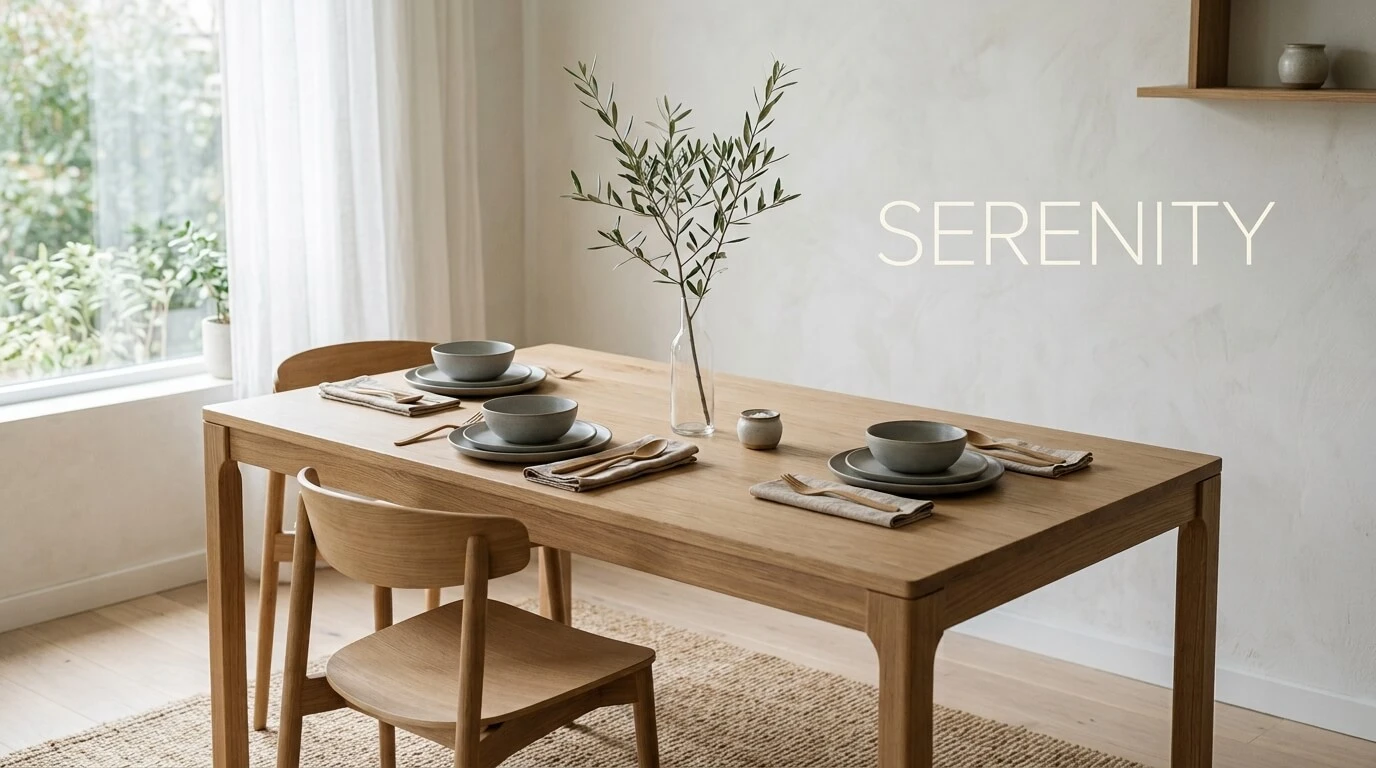
How to Measure Your Space Before Buying a Dining Table
This is the step almost everyone skips, and it’s the reason so many dining tables end up feeling wrong the moment they’re delivered.
Start with the room itself, not the table. Measure the length and width of your dining area, then subtract at least 36 inches (about 90 cm) on all sides. That’s the minimum clearance needed so chairs can slide out and people can walk around comfortably without bumping into a wall or a sideboard.
A quick rule of thumb:
- Small space (under 120 sq ft): a table around 48–60 inches long
- Medium space (120–200 sq ft): 60–78 inches long
- Large space (200+ sq ft): 78 inches and up, or consider an extendable table
If you’re short on space but still want seating for guests occasionally, an extendable or drop-leaf dining table solves that problem without permanently eating up your room.
Choosing the Right Dining Table Shape for Your Room
Shape isn’t just about looks. It genuinely affects how well a table works in your space and how people move around it.
Rectangular Tables
The most common choice, and for good reason. Rectangular tables fit naturally against a wall or in a long room, seat more people efficiently, and are easy to pair with a bench on one side if you want extra flexibility.
Round Tables
Great for smaller or squarer rooms. There are no corners to bump into, and everyone at the table is roughly the same distance from each other, which makes conversation easier. The downside is they seat fewer people for their footprint compared to a rectangle.
Square Tables
Ideal for tight, boxy spaces or smaller households. They work particularly well in apartments or breakfast nooks where you need something compact but still functional for four people.
Oval Tables
A nice middle ground. You get the seating capacity of a rectangle with the softer, safer edges of a round table — useful if you have young kids running around.
Best Materials for a Dining Table (And What They’re Actually Like to Live With)
This is where most buying decisions go wrong, because showroom lighting hides a lot of flaws. Here’s what each material is genuinely like once it’s in daily use.
Solid Wood
Still the gold standard. Oak, teak, sheesham, and walnut are popular choices because they’re durable and age well — solid wood actually looks better with a few years of use. It’s an investment, though, and you’ll want to use coasters and avoid direct sunlight to prevent fading.
Engineered Wood / MDF with Veneer
A budget-friendly option that looks like solid wood at a glance. It’s lighter and easier to move, but it doesn’t handle moisture or heavy weight as well over time. Fine for a starter home, less ideal as a long-term piece.
Glass Top
Sleek and modern, and it makes small rooms feel more open since it doesn’t visually block space. The tradeoff is maintenance — glass shows every fingerprint, water ring, and smudge, so it’s not the best pick for a busy household with kids.
Metal and Marble
Marble-top tables look genuinely stunning and stay cool to the touch, but they’re heavy, can stain if you spill something acidic like lemon juice or wine, and usually cost more. Metal frames paired with wood or stone tops are a durable, industrial-style option that holds up well in high-traffic homes.

Dining Table Height and Seating Comfort
Standard dining table height sits between 28 and 30 inches, which pairs correctly with chairs around 18 inches tall. If you’re mixing in a bench, keep it a couple of inches lower than the chairs for comfortable knee clearance.
For seating space, allow about 24 inches of width per person so elbows aren’t bumping during dinner. A 60-inch table comfortably seats four to six people using this math, which is a useful gut-check when a listing claims a table “seats 8.”
How Much Should You Spend on a Dining Table?
Prices vary wildly, but here’s a realistic breakdown:
- Budget (engineered wood, basic design): affordable, good for renters or first apartments, expect to replace within 5–8 years
- Mid-range (solid wood, simple joinery): the sweet spot for most households — durable, repairable, and reasonably priced
- High-end (solid hardwood, custom design, marble or stone tops): built to last decades, often becomes a piece you pass down
A good habit: check the joinery, not just the finish. Dovetail or mortise-and-tenon joints last far longer than tables held together mostly with glue and screws, even if the screwed version looks identical on the showroom floor.
Caring for Your Dining Table So It Actually Lasts
- Wipe spills immediately, especially on wood and marble
- Use coasters and placemats as a habit, not an afterthought
- Avoid placing it in direct sunlight, which fades and dries out wood over time
- Reapply wood oil or polish every 6–12 months for solid wood tables
- Tighten screws and check joints once a year, especially if you have kids who like to lean or climb
Frequently Asked Questions
What is the standard size of a dining table for 6 people? A table roughly 72 to 78 inches long and 36 to 40 inches wide comfortably seats six people, giving each person adequate elbow room.
Is solid wood or engineered wood better for a dining table? Solid wood is more durable and ages better over decades, while engineered wood is lighter and cheaper but wears out faster, especially with moisture or heavy daily use.
How much space should be left around a dining table? Leave at least 36 inches on all sides so chairs can be pulled out fully and people can walk around without squeezing past.
What’s the best shape of dining table for a small apartment? Round or square tables work best in small apartments since they don’t have protruding corners and fit more naturally into compact or oddly shaped rooms.
How long should a good dining table last? A well-made solid wood dining table, properly cared for, can easily last 15 to 25 years or longer, while budget engineered wood tables typically last 5 to 8 years.
Final Thoughts
Picking the right dining table isn’t about finding the trendiest design in the store — it’s about matching the size, shape, and material to how your household actually lives and eats. Measure first, think about maintenance honestly, and don’t be afraid to spend a bit more on something with solid joinery if it’s going to anchor your dining room for the next decade.
If you’re ready to start shopping, take your room measurements with you, and don’t be shy about asking the seller what wood or material was actually used — it’ll save you from the same mistake I made with my first table.
A quick personal note: after that wobbly first table, I switched to a solid sheesham wood table with mortise-and-tenon joints, and it’s been five years without a single loose joint. It cost more upfront, but calculating it against the two tables I would’ve otherwise bought and replaced, it actually worked out cheaper — and honestly, it just looks better every year. That’s the biggest thing I’d tell anyone shopping right now: buy it once, buy it right.