
Introduction
Have you ever wanted to make a creamy dessert without spending a lot of time preparing it from scratch? Custard powder can make that possible. It is a convenient pantry ingredient used to prepare smooth, creamy custard for desserts, cakes, puddings, fruit dishes, and more.
Unlike traditional custard, which usually requires eggs, milk, sugar, and careful cooking, powdered custard offers a simpler approach. With the right amount of milk and sugar, you can create a delicious dessert in just a few minutes.
But what exactly is it made from, how does it work, and what can you do with it beyond a basic bowl of custard? Let’s explore everything you need to know.
1. What Is Custard Powder?
Custard powder is a dry powdered ingredient used to make a creamy custard dessert or sauce. It was developed as a convenient alternative to traditional egg-based custard.
The powder is generally mixed with cold milk to create a smooth mixture before being heated. As it cooks, the liquid becomes thicker and develops the familiar creamy texture associated with custard.
Many commercial varieties contain starch, flavoring, coloring, and sometimes sugar. Cornstarch or another starch is often responsible for thickening the mixture.
One of the biggest advantages is convenience. Instead of worrying about eggs curdling or constantly monitoring a delicate mixture, you can prepare custard using a relatively straightforward method.
Think of the powder as a shortcut to a creamy dessert. It does much of the preparation work for you while still allowing you to customize the final result.
2. What Is Custard Powder Made Of?
The exact ingredients depend on the brand, but many varieties commonly contain some combination of:
- Cornstarch or modified starch
- Vanilla flavoring
- Food coloring
- Sugar or sweeteners
- Salt
- Milk-related ingredients in some formulations
Traditional custard and powdered custard are not necessarily the same thing. Traditional custard often relies on egg yolks for thickening, while many powdered versions use starch.
This difference can affect flavor, color, texture, and preparation.
If you’re buying a packaged product, it’s always a good idea to read the ingredient label, particularly if you have food allergies, dietary restrictions, or specific nutritional goals.
3. How Does It Work?
The secret behind powdered custard is mainly starch.
When starch is mixed with liquid and heated, it absorbs water and begins to swell. This process causes the mixture to become thicker.
However, there’s an important trick: don’t simply throw the powder into hot milk.
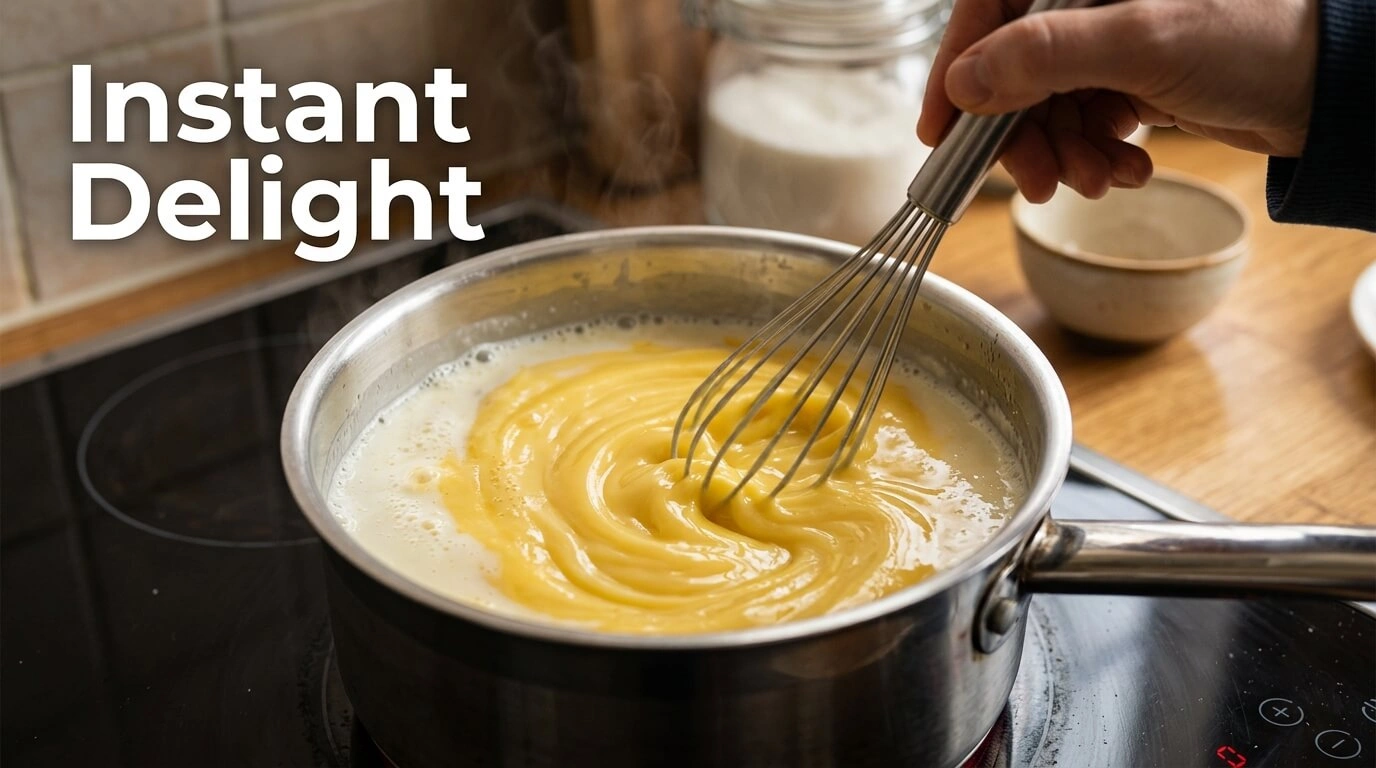
Instead, mix the powder with a small amount of cold milk first. Stir until it forms a smooth paste. Then add this mixture to the heated milk while stirring.
Why does this matter?
Adding dry starch directly to hot liquid can create lumps. Making a cold slurry gives the starch a chance to disperse evenly.
As the mixture heats, it gradually transforms from a thin liquid into a smooth, spoonable cream.
4. Custard Powder vs Traditional Custard
Although both can produce a creamy dessert, their preparation methods are different.
Powdered custard is designed for convenience. It usually requires milk, sugar, and the powder, making it easy for beginners and busy cooks.
Traditional custard, on the other hand, commonly uses egg yolks, milk or cream, sugar, and flavoring. It requires more attention because excessive heat can cause the eggs to scramble.
There is no universal winner.
If you want something quick and easy, powdered custard is practical. If you enjoy traditional cooking techniques and want the richness associated with egg yolks, traditional custard may be more appealing.
The choice is similar to choosing between instant coffee and freshly brewed coffee: both can satisfy the same basic craving, but the preparation and experience are different.

5. How to Make Custard With Powder
Making custard is relatively simple.
Basic Ingredients
You generally need:
- Milk
- Custard powder
- Sugar
- Vanilla flavoring, if desired
Simple Method
Step 1: Prepare a cold mixture.
Take a small amount of cold milk and mix it with the custard powder. Stir thoroughly until there are no visible lumps.
Step 2: Heat the remaining milk.
Pour the rest of the milk into a saucepan and warm it over medium heat.
Step 3: Add sugar.
Add sugar according to your preferred sweetness.
Step 4: Add the powder mixture.
Slowly pour the cold custard mixture into the warm milk while continuously stirring.
Step 5: Cook until thick.
Continue stirring over medium or medium-low heat until the mixture reaches your preferred consistency.
Step 6: Remove from the heat.
Once thick and creamy, take the saucepan off the stove.
Step 7: Cool or serve warm.
You can enjoy it warm or allow it to cool before serving.
The exact amount of powder and milk should always follow the instructions on your particular package, because formulations vary.
6. Best Ways to Use Custard
A bowl of plain vanilla custard is delicious, but why stop there?
There are many creative ways to use it.
Fruit Custard
One of the easiest options is fruit custard. Prepare the custard, let it cool, and fold in chopped fruits such as:
- Apples
- Bananas
- Mangoes
- Grapes
- Strawberries
- Peaches
Avoid adding very watery fruits too early because they can change the texture.
Cake Filling
Thick custard can work as a creamy filling between cake layers. It adds moisture and sweetness without requiring complicated frosting techniques.
Custard Trifle
Layer custard with cake pieces, fruit, jelly, and cream to create an attractive dessert suitable for gatherings.
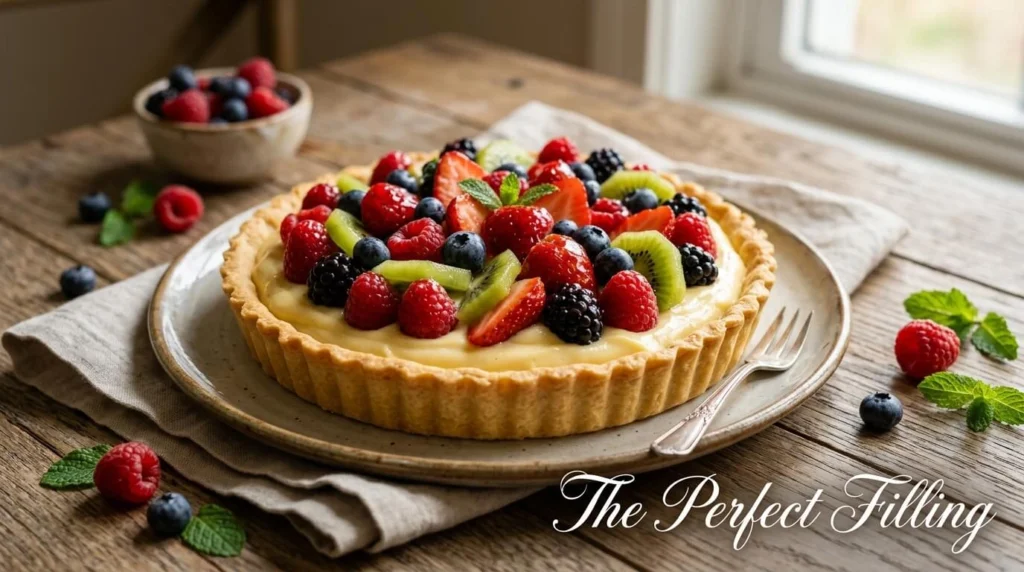
Custard Tart
Custard can also be used as a filling for pastry-based desserts.
Pudding
Serve chilled custard in individual glasses with fruit, nuts, or a light topping.
7. Popular Custard-Based Desserts
Custard has become part of many beloved desserts around the world.
Fruit custard combines creamy custard with fresh fruit.
Trifle typically features layers of cake, fruit, custard, jelly, and cream.
Custard pudding offers a softer, chilled dessert with a smooth texture.
Custard-filled pastries combine flaky pastry with a sweet creamy center.
You can also experiment with flavors. Vanilla is classic, but you can add ingredients such as cinnamon, cardamom, chocolate, coffee, coconut, or mango depending on the dessert.
For special occasions, try serving custard in small glass cups with colorful fruit layers. It looks far more elaborate than it actually is.
8. Tips for Making Smooth Custard
Getting the texture right is one of the most important parts of making custard.
Always Mix Powder With Cold Liquid First
This is one of the easiest ways to prevent lumps.
Keep Stirring
Constant stirring helps distribute the starch evenly and prevents the mixture from sticking to the bottom of the pan.
Control the Heat
Very high heat isn’t necessary. Medium or medium-low heat gives you better control.
Don’t Stop Too Early
If the custard remains too thin, it may simply need additional cooking time. Remember that it can also become firmer as it cools.
Don’t Overcook It
Excessive cooking can affect the texture and may cause the custard to become overly thick.
Taste Before Serving
If you are preparing homemade custard, taste it before finishing. You can adjust sweetness while it is still warm.
9. Common Mistakes to Avoid
Even a simple recipe can go wrong. Here are some common mistakes.
Adding powder directly to hot milk: This can create stubborn lumps.
Using too much powder: You may end up with an extremely thick mixture that feels heavy rather than creamy.
Using too little powder: The finished custard may remain watery.
Ignoring the package instructions: Different products can have different ratios and preparation methods.
Leaving the pan unattended: Milk can boil over surprisingly quickly.
Adding fruit while the custard is very hot: Some fruits can soften excessively or release liquid.
Not stirring: The bottom can thicken or stick while the rest remains thinner.
Small details make a surprisingly big difference.
10. How to Store Custard Powder
Unopened custard powder should generally be kept in a cool, dry place, away from direct sunlight and moisture.
Once opened, keep the package tightly sealed. Moisture can cause powdered ingredients to clump and may affect their quality.
Always check the best-before or expiration information printed on the packaging.
Prepared custard should be handled differently. Because it contains milk, it should generally be refrigerated rather than left at room temperature for extended periods.
Use clean utensils when serving leftovers and follow appropriate food-safety practices.
11. Nutritional Considerations
Custard itself can be part of a balanced diet, but its nutritional value depends heavily on how it is prepared.
Milk contributes nutrients such as protein and calcium, while sugar adds sweetness and calories.
The powder itself may contribute relatively little depending on the formulation, but commercially prepared products can vary considerably.
If you’re watching your sugar intake, you can choose a product without added sugar or adjust the amount of sugar used during preparation where appropriate.
For people with allergies or dietary restrictions, carefully inspect the ingredient and allergen information on the packaging.
It’s also worth remembering that dessert doesn’t have to be completely avoided to be enjoyed responsibly. Portion size and the overall diet matter.
12. Frequently Asked Questions
1. Is custard powder the same as cornstarch?
No. While many custard powders use starch such as cornstarch as a thickening ingredient, custard powder generally contains additional ingredients such as flavoring and coloring.
2. Can I make custard powder with water instead of milk?
It may be possible with some products, but milk usually produces a richer and creamier result. Always check the instructions provided by the manufacturer.
3. Why does my custard have lumps?
Lumps commonly form when the powder isn’t properly mixed before heating or when it is added directly to hot liquid. Creating a smooth paste with cold milk first can help.
4. Can custard powder be used in cakes?
Yes. Thick custard can be used as a cake filling, dessert layer, or topping. It can also be incorporated into certain baking recipes.
5. How long does prepared custard last?
Prepared custard should be refrigerated and consumed according to appropriate food-safety practices. For packaged products, follow the storage guidance provided on the label.
13. Final Thoughts
Custard powder is a simple ingredient that can turn ordinary milk into a smooth, comforting dessert with relatively little effort. Whether you’re making fruit custard, trifle, pudding, or a cake filling, it gives you plenty of room to experiment.
The key is understanding how it behaves: mix the powder properly, control the heat, stir consistently, and adjust the texture to suit your recipe.
So, the next time you see a packet sitting in your pantry, don’t think of it as just another baking ingredient. Think of it as a small shortcut with plenty of dessert possibilities.