
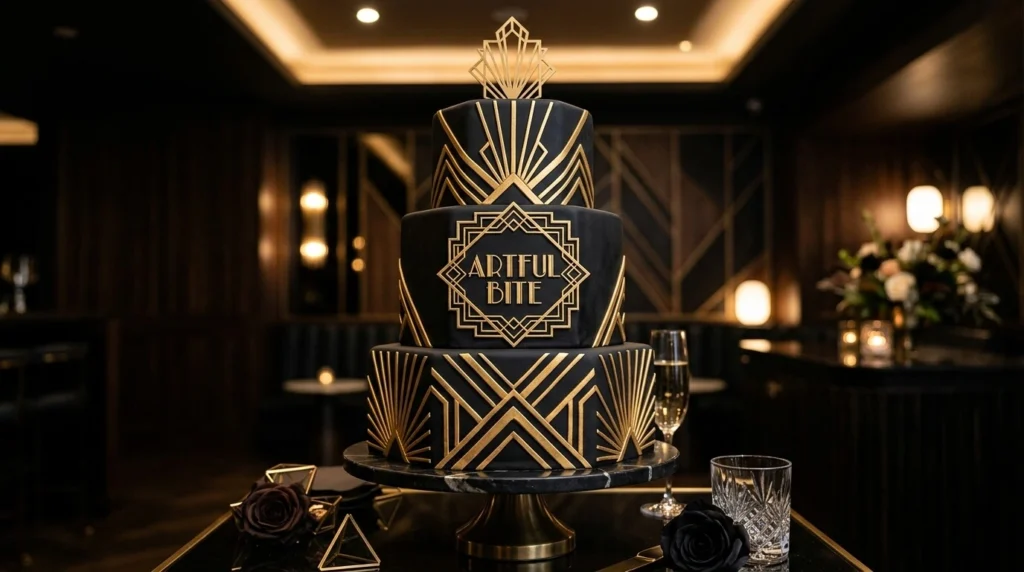
Introduction
A beautifully decorated cake can turn an ordinary gathering into a memorable celebration. Whether you are planning a birthday, wedding, anniversary, baby shower, or simple family dinner, the right design can make the cake feel like the centerpiece of the event.
But how do you choose a style that looks impressive without becoming too complicated? The answer depends on the occasion, colors, flavors, personal taste, and the skill level of the person decorating it.
Think of a cake as a blank canvas. The sponge, filling, frosting, colors, decorations, and finishing touches are like different brushstrokes that come together to create one complete picture. With a little imagination, even a simple homemade cake can look special.
1. What Is Cake Design?
Cake design is the creative process of decorating and presenting a cake so that it matches a particular theme, occasion, personality, or visual style. It can be as simple as adding smooth buttercream and fresh fruit or as detailed as creating flowers, characters, patterns, and layered decorations.
The beauty of decorating cakes is that there is no single correct approach. Some people love elegant cakes with clean lines, while others prefer colorful designs packed with playful details.
A good design combines appearance with practicality. The cake should not only look attractive but should also be suitable for cutting, serving, transporting, and eating.
Design can include several elements:
- Shape and size
- Frosting style
- Color palette
- Decorative elements
- Cake toppers
- Patterns and textures
- Flowers or edible decorations
- Personalized messages
- Theme-related details
The most successful designs usually have a clear idea behind them rather than simply adding every decoration available.
2. Popular Cake Design Styles
There are countless decorating styles, which means you can easily find something that matches your taste.
Minimalist Cakes
Minimalist cakes focus on simplicity. They often use one or two colors, smooth frosting, delicate writing, and a small number of decorations.
These cakes are particularly popular for adults because they can look sophisticated without being overly decorative.
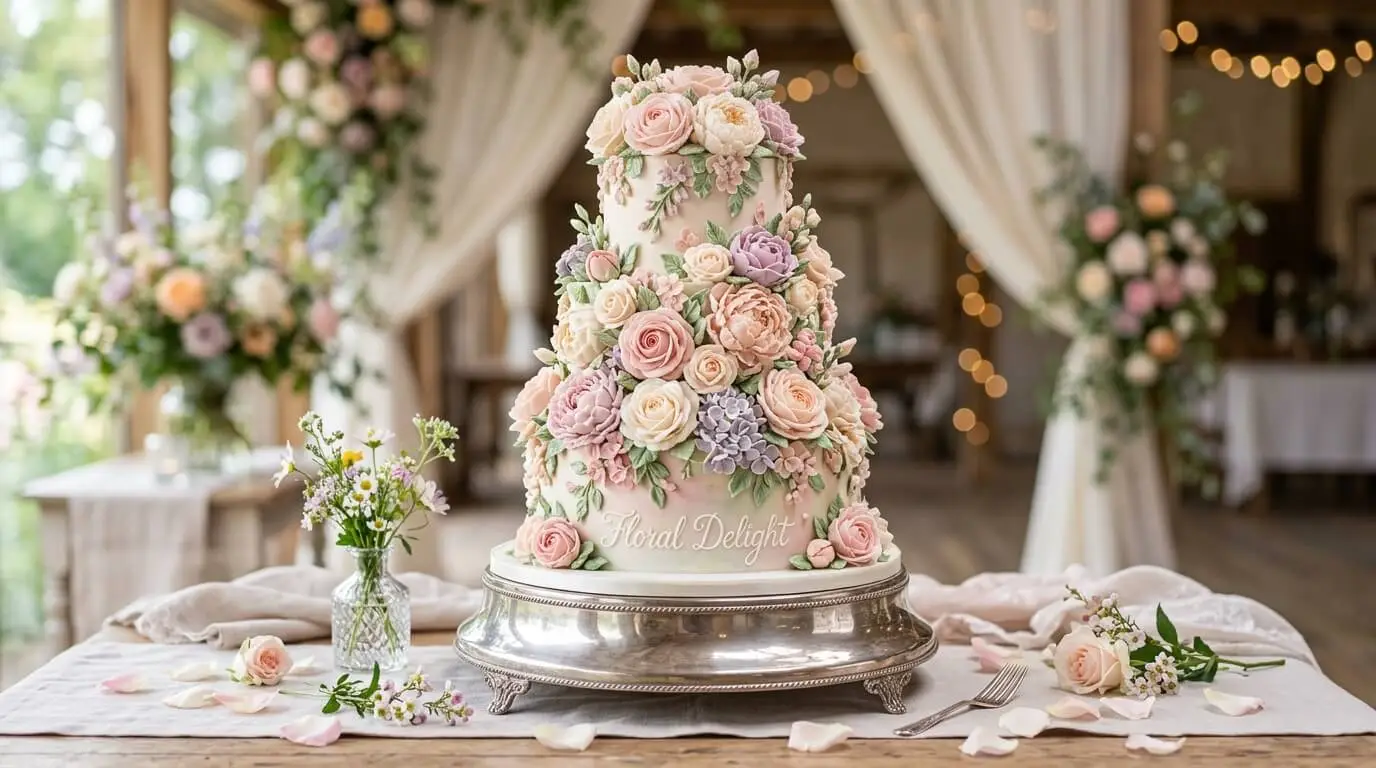
Floral Cakes
Flowers can completely transform the appearance of a cake. Fresh flowers, buttercream flowers, sugar flowers, or edible petals can all create a graceful finish.
For a romantic celebration, soft floral details can make the cake feel elegant and warm.
Drip Cakes
A drip cake typically features frosting flowing gently over the edges. Chocolate, caramel, fruit sauces, or other suitable toppings can be used to create the effect.
The contrast between the smooth frosting and the dripping topping gives the cake a rich appearance.
Character Cakes
Character-themed designs are especially popular with children. Favorite animals, cartoons, superheroes, fantasy creatures, or hobbies can inspire the decoration.
A character cake can also be designed around a child’s favorite colors and interests rather than copying a specific character.
Vintage-Style Cakes
Vintage designs often feature decorative piping, frills, borders, bows, and nostalgic color combinations. Their detailed appearance gives them a charming, old-fashioned personality.
3. Choosing a Design for the Occasion
The occasion should be one of your first considerations.
Would you use the same design for a child’s birthday and a formal wedding? Probably not. Each event has its own atmosphere.
For birthdays, colorful decorations, numbers, names, hobbies, and playful themes work well.
For weddings, elegant flowers, soft colors, metallic details, and carefully arranged tiers are common choices.
For anniversaries, personalized messages, photographs, initials, or romantic details can make the cake meaningful.
For baby showers, gentle colors, clouds, stars, animals, flowers, and simple baby-themed decorations can create a sweet appearance.
For graduation parties, school colors, graduation caps, books, certificates, and achievement-related decorations can make the design feel personal.
The goal is to make the cake feel connected to the event rather than simply choosing a beautiful design at random.
4. Birthday Cake Ideas
Birthday cakes offer almost unlimited creative possibilities.
For children, consider themes based on favorite activities, animals, sports, vehicles, space, nature, or colorful fantasy worlds.
For teenagers, a more modern approach may work better. Minimalist lettering, fashionable colors, favorite hobbies, music-inspired themes, or elegant decorative details can create a stylish result.
Adults can also enjoy highly personalized cakes. A cake can reflect someone’s profession, favorite hobby, travel memories, favorite dessert, or personality.
Number Cakes
A number cake is an excellent option for milestone birthdays. The age itself becomes part of the design.
You can decorate the numbers with:
- Fresh berries
- Chocolate pieces
- Macarons
- Cream swirls
- Edible flowers
- Small candies
Photo-Inspired Cakes
A favorite photograph or memory can inspire the entire design. Instead of simply placing a picture on top, you can use its colors, setting, or story as inspiration.
This approach makes the cake feel much more personal.
5. Wedding and Anniversary Designs
Wedding cakes often require more planning because they are an important part of the celebration.
A wedding design should complement the venue, flowers, clothing, invitations, and overall theme.
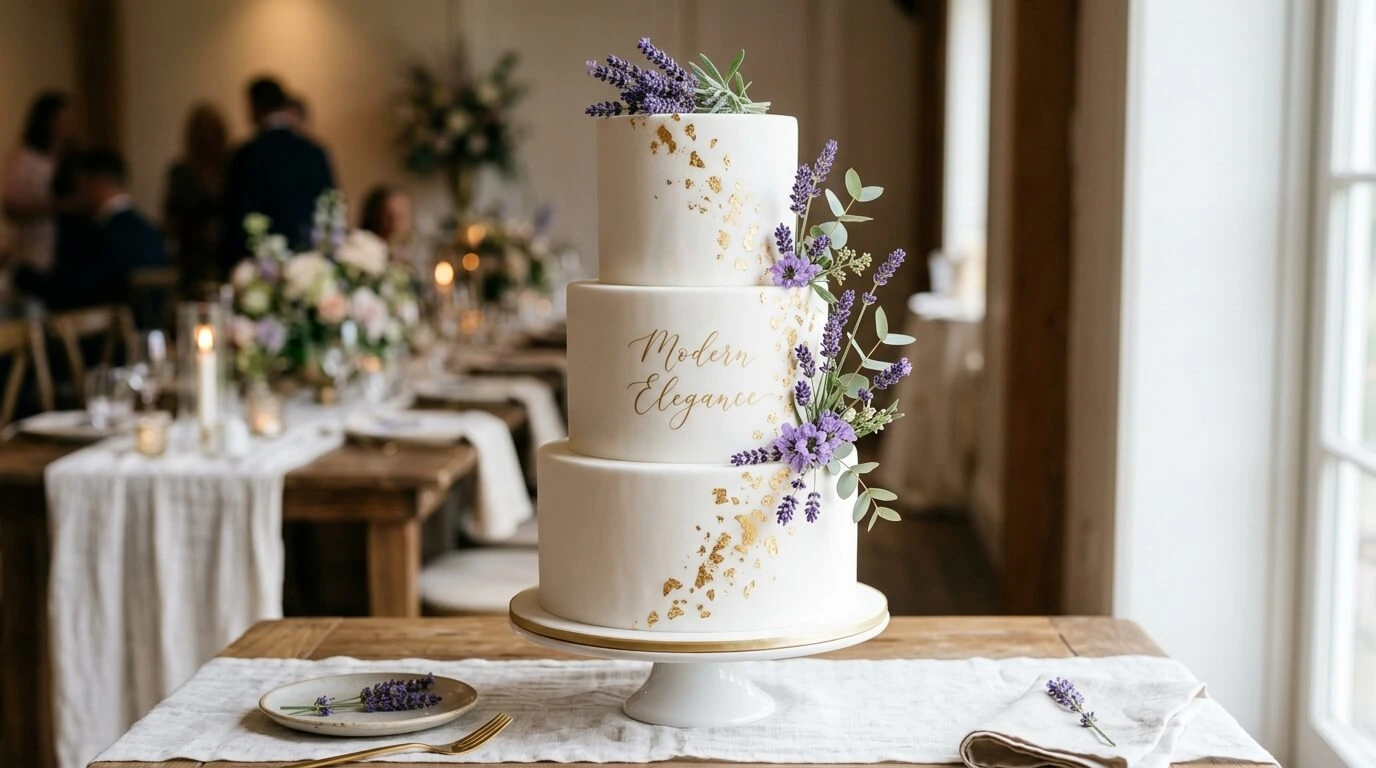
Classic White Cakes
White remains a timeless choice. Smooth white frosting combined with flowers or delicate piping can create a sophisticated appearance.
Modern Wedding Cakes
Modern designs may use unusual shapes, textured frosting, geometric decorations, or carefully selected colors.
Anniversary Cakes
Anniversary cakes can be more personal than traditional wedding cakes. Consider incorporating initials, an important date, favorite flowers, or colors connected to the couple.
Personal details often matter more than expensive decorations. A small meaningful element can make the cake memorable.
6. Choosing Colors and Themes
Color has a powerful effect on how a cake looks.
A useful approach is to select a main color, a supporting color, and an accent shade. This prevents the decoration from becoming visually confusing.
For example, a cake might combine:
- White with gold
- Pink with cream
- Blue with silver
- Green with white
- Lavender with pale yellow
The theme should also influence your color selection.
A garden-inspired cake might use natural greens and floral shades, while a space theme could use darker colors with stars and metallic-looking accents.
Do not be afraid of simplicity. Two well-matched colors can sometimes look more attractive than six unrelated ones.
7. Frosting and Decoration Techniques
Frosting provides the foundation for many cake designs.
Buttercream
Buttercream is popular because it is creamy, versatile, and relatively easy to work with. It can be spread smoothly, piped into patterns, or colored to suit a theme.
Fondant
Fondant can create a smooth, polished surface and is useful for detailed decorative work. It can also be shaped into various figures and ornaments.
Whipped Cream
Whipped cream gives cakes a light appearance and works particularly well with fruit-based designs.
Piping
Piping allows you to create borders, flowers, shells, stars, rosettes, and other patterns. Even a simple piping technique can make a plain cake look carefully finished.
Textured Frosting
Instead of making the frosting perfectly smooth, you can create lines, waves, ridges, or rustic textures. This can give the cake a handmade character.
8. Cake Toppers and Decorative Details
Small details can have a surprisingly large impact.
A cake topper might feature a name, age, short message, initials, or symbolic shape. For birthdays, numbers are especially useful.
Other decorations include:
- Sprinkles
- Chocolate curls
- Fresh fruit
- Edible pearls
- Cookies
- Meringues
- Nuts
- Candy
- Edible flowers
However, decorations should complement the main design.
More decoration does not automatically mean a better cake. Imagine decorating a room: if every wall, shelf, and table is filled with objects, the eye has nowhere to rest. Cakes work in much the same way.
9. Simple Designs for Beginners
You do not need professional equipment to create an attractive cake.
Start with a simple base. Apply frosting evenly, then add a few carefully chosen decorations.
Easy Beginner Method
- Bake and cool the cake completely.
- Level the layers if necessary.
- Add your filling.
- Cover the cake with a thin layer of frosting.
- Chill it briefly if needed.
- Apply the final layer of frosting.
- Add simple piping or decorations.
- Finish with a topper or short message.
A beginner can also create a rustic cake by intentionally leaving some frosting texture visible.
This style is forgiving because small imperfections can become part of the overall look.
10. Creative Homemade Cake Ideas
Homemade cakes do not have to look ordinary.
Try creating a fruit garden cake with strawberries, blueberries, raspberries, and cream.
For chocolate lovers, a chocolate overload design can combine chocolate frosting, curls, chunks, and a smooth drizzle.
A rainbow-inspired cake can use colorful layers or simple rainbow decorations on the outside.
A nature-inspired cake can feature leaves, flowers, mushrooms, butterflies, or earthy textures.
You can also create a favorite hobby cake. Someone who enjoys photography, gardening, football, books, painting, cooking, or travel may appreciate a cake inspired by that interest.
The most memorable homemade designs often tell a small story.
11. How to Make a Cake Look Professional
Professional-looking results are often less about complicated decorations and more about clean execution.
Keep the Surface Neat
Try to create an even layer of frosting. A clean surface provides a strong foundation for decoration.
Use Consistent Decorations
If you are piping small flowers or rosettes, keep their size relatively similar.
Plan Before Decorating
Place your decorations mentally before putting them on the cake. This helps avoid overcrowding.
Choose Quality Ingredients
Good chocolate, fresh fruit, flavorful vanilla, and properly prepared frosting can improve both appearance and taste.
Work With a Color Plan
Decide your colors before you begin. This simple step can make the finished cake feel much more intentional.
Remember that presentation starts before decoration. A cake with clean layers, good proportions, and a balanced shape already has a professional foundation.
12. Common Cake Decorating Mistakes
Even experienced bakers occasionally make decorating mistakes.
Decorating a Warm Cake
Warm cake can soften frosting and cause decorations to slide. Allow the cake to cool completely before decorating.
Using Too Many Elements
Adding every decoration you like can make the final result look crowded.
Ignoring Proportion
Large decorations on a small cake may overwhelm it, while tiny decorations can disappear on a large cake.
Choosing Too Many Colors
A limited color palette usually creates a more coordinated appearance.
Rushing the Process
Good decorating often requires patience. Give yourself enough time to chill layers, prepare frosting, arrange decorations, and make corrections.
13. How to Choose the Right Cake Design
Choosing a design becomes much easier when you answer a few basic questions.
Who is the cake for? Consider their age, personality, hobbies, and preferences.
What is the occasion? A formal celebration may require a different approach from a casual family gathering.
What is the budget? Some designs require specialist decorations and more preparation than others.
How much time do you have? A simple buttercream cake may be a better choice when you are working with limited time.
Will the cake travel? Delicate decorations may not be suitable if the cake must be transported a long distance.
What flavor will you use? Chocolate, vanilla, red velvet, fruit, coffee, and other flavors can influence the decoration and filling choices.
Once these questions are answered, you can narrow your options quickly.
14. Final Thoughts
A great cake does not have to be complicated or expensive. The best design is one that matches the occasion, tastes delicious, and says something about the person or celebration.
Whether you prefer elegant flowers, playful themes, smooth minimalist frosting, or creative homemade decorations, there is plenty of room to experiment.
Start with a simple idea, choose a small color palette, and build your design step by step. With practice, decorating becomes less intimidating and much more enjoyable.
15. Frequently Asked Questions
What is the easiest cake design for beginners?
A simple buttercream cake with smooth or rustic frosting, a few piped decorations, and a basic topper is one of the easiest options for beginners.
How do I choose a cake design for a birthday?
Consider the person’s age, favorite colors, hobbies, interests, and the overall party theme. Personal details can make even a simple cake feel special.
Which frosting is best for decorating cakes?
Buttercream is a versatile choice because it can be spread, piped, colored, and shaped in many ways. The best option ultimately depends on the desired appearance and flavor.
Can I create a professional-looking cake at home?
Yes. Clean frosting, balanced colors, consistent decorations, and careful planning can produce impressive results without professional equipment.
How many colors should I use on a cake?
There is no strict rule, but using two or three coordinated colors often creates a balanced appearance. More colors can work when they are part of a deliberate theme.