
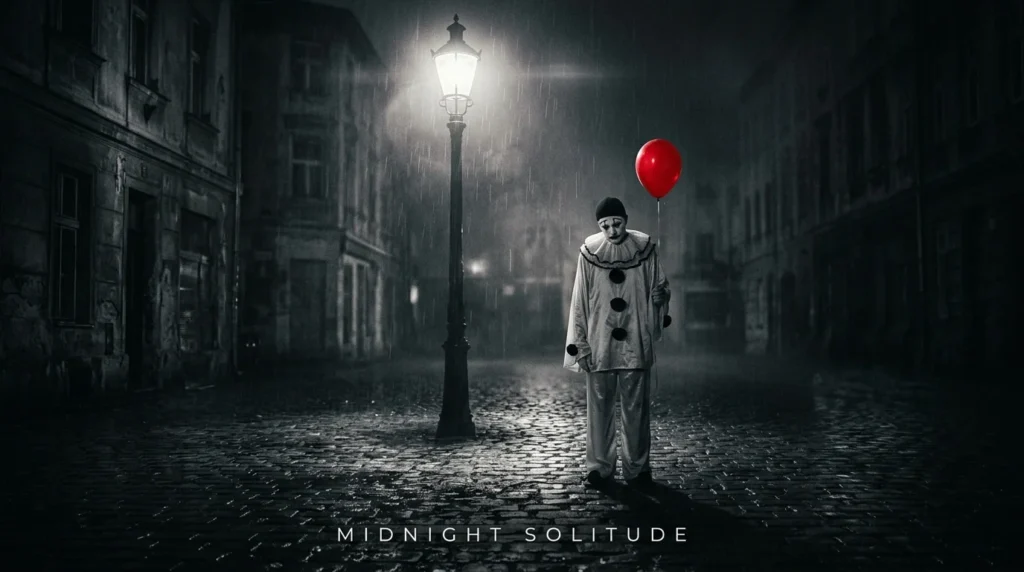
you can picture a clown in two seconds: the red nose, the wild wig, the oversized shoes. Put that picture into words that make someone else see, hear, and feel the scene, though, and it gets harder.
That is the real challenge of a clown descriptive paragraph. A weak one lists things (“The clown had a red nose and big shoes”). A strong one pulls the reader into the circus tent. In this guide, I’ll show you how to write the strong kind, step by step, with examples you can learn from and adapt.
What Is a Clown Descriptive Paragraph?
A clown descriptive paragraph is a short piece of writing, usually five to eight sentences, that paints a detailed picture of a clown using sensory language. It covers appearance, movement, sound, and the feeling the clown creates. The goal is for the reader to see the clown clearly without needing a photo.
Teachers often assign this topic because a clown gives you a lot to work with: colour, costume, expression, and personality. Bloggers and creative writers use it as a warm-up for character description.
Why a Clown Is a Great Subject for Descriptive Writing
Few subjects offer as much contrast. A clown can be funny or eerie, joyful or sad, clumsy or precisely skilled. That range lets you practise the most important skill in descriptive writing: choosing details that create a specific mood.
A clown also appeals to all five senses at once, which helps beginners:
- Sight: bright colours, face paint, exaggerated clothing
- Sound: squeaking shoes, honking horns, laughter
- Smell: popcorn, greasepaint, sawdust
- Touch: scratchy wigs, slippery balloons, rubbery noses
- Taste: candy floss and caramel from the circus stalls nearby
How to Write a Clown Descriptive Paragraph: Step by Step
Quick answer: To write a clown descriptive paragraph, choose one clear mood, open with a strong first impression, add three to five sensory details, describe movement or behaviour, and close with the feeling the clown leaves behind.
Step 1: Decide on the Mood First
Before you write a word, decide how the clown should feel. Cheerful? Mysterious? Heartbreakingly sad? Every detail you pick afterwards should support that mood. A happy clown gets “bouncing” and “sparkling,” while a creepy one gets “stiff” and “painted-on smile.”
Step 2: Start With a Strong First Impression
Your opening sentence should hook the reader. Skip “The clown was wearing…” and try something like: “The first thing I noticed was the smile, painted wider than any real smile could ever be.”
Step 3: Describe the Clown From Head to Toe
Work in a logical order so the reader never gets lost. Head to toe is the simplest:
- Hair or wig: colour, shape, texture
- Face: makeup, nose, eyes, expression
- Clothing: pattern, fit, colours, buttons
- Shoes and props: size, sounds, what the clown carries
Step 4: Use Sensory Details, Not Just Visual Ones
Most beginners describe only what the clown looks like. Adding sound, smell, or touch is what lifts a paragraph from average to memorable. A squeaking shoe or the smell of greasepaint places the reader in the scene instantly.
Step 5: Show Movement and Personality
A clown standing still is a statue. Show the clown doing something: tripping over a rope, juggling, or waving shyly at a child. Movement shows personality far better than adjectives do.
Step 6: End With the Feeling
Close by telling the reader what the scene left behind: a laugh, a chill, a sense of nostalgia. This gives the paragraph a satisfying finish.

Clown Descriptive Paragraph Examples
Reading good samples is the fastest way to learn. Here are three, each with a different mood.
Example 1: A Cheerful Circus Clown
Pip the clown burst into the ring like a firework in human form. His wig was a cloud of electric orange curls, bouncing with every step, and his nose gleamed red as a ripe cherry. His baggy yellow trousers, held up by purple suspenders, flapped around his ankles while his enormous blue shoes squeaked a happy rhythm across the sawdust. When he tripped on purpose and tumbled into a somersault, the whole tent roared. The air smelled of popcorn and sugar, and for a moment, every grown-up in the crowd felt eight years old again.
Example 2: A Sad, Gentle Clown
Behind the curtain, the old clown sat alone on an upturned crate. The white paint on his face had begun to crack at the corners of his eyes, and a single blue tear was drawn on his cheek. His jacket, once bright red, had faded to the colour of old brick, and one button hung by a thread. He turned a small paper flower between his fingers, slowly and carefully. Outside, the crowd was laughing. Inside, the quiet felt heavier than the costume.
Example 3: A Spooky Clown
The clown stood perfectly still beneath the flickering streetlamp. Its smile was painted far too wide, and its eyes, ringed in black, never seemed to blink. A faded balloon drifted from its gloved hand, rustling softly in the cold wind. Somewhere in the dark, a shoe squeaked once, then went silent. I realised I was holding my breath.
Notice how each clown descriptive paragraph sticks to one mood and chooses details that support it.
Common Mistakes to Avoid
Even confident writers slip up here. Watch for these:
- Listing instead of describing. “He had a wig, a nose, and shoes” tells the reader nothing about how they look or feel.
- Overusing boring adjectives. Words like “nice,” “big,” and “funny” are too vague. Try “lopsided,” “enormous,” or “mischievous.”
- Mixing moods. A giggly opening followed by a creepy ending confuses the reader unless you do it on purpose.
- Ignoring the senses. If everything is visual, your paragraph feels flat.
- Forgetting structure. Jumping from shoes to face to hat and back again makes the paragraph hard to follow.
Useful Words and Phrases for Describing a Clown
Keep this word bank handy while you write.
Appearance: frizzy, rainbow-coloured, lopsided, glittering, oversized, patched, polka-dotted, smudged
Movement: stumbled, waddled, pirouetted, bounced, tiptoed, flailed, juggled
Sound: squeaked, honked, giggled, echoed, jingled, hushed
Mood: mischievous, melancholy, playful, unsettling, goofy, tender
Choose words that fit your mood, and don’t pack in every one.

Tips to Make Your Writing Stand Out
- Be specific. “Orange wig” is fine, but “a wig the colour of a traffic cone” is better.
- Use comparisons. A simile like “shoes as long as canoes” gives instant imagery.
- Vary your sentence length. Mix short punchy lines with longer flowing ones.
- Read it aloud. Awkward phrases are easy to hear and hard to see.
- Cut what doesn’t serve the mood. Every detail should earn its place.
Frequently Asked Questions
How long should a clown descriptive paragraph be?
Most are five to eight sentences, or roughly 100 to 150 words. If your teacher or assignment gives a word count, follow that instead.
What should I include in a descriptive paragraph about a clown?
Include appearance (hair, face, costume, shoes), at least two senses beyond sight, some movement or behaviour, and the overall mood. A strong opening and closing sentence help too.
Can I write about a scary clown?
Yes. A spooky clown is a popular choice because contrast makes it easy to build tension. Just keep the mood consistent from start to finish and check your assignment guidelines.
How do I make my description sound more natural and less robotic?
Write from a real perspective, using “I” or a clear narrator. Use fresh comparisons instead of stock phrases, vary your sentence rhythm, and include small imperfect details, like a loose button or a cracked smile.
What is the difference between a descriptive paragraph and a narrative one?
A descriptive paragraph paints a picture of a person, place, or thing. A narrative paragraph tells what happens over time. Your clown can do small actions in a descriptive paragraph, but the focus stays on showing what the clown is like.
Conclusion
Writing a strong clown descriptive paragraph comes down to a few habits: pick a mood, open with a hook, describe from head to toe, use more than one sense, show movement, and finish with a feeling. Once you apply these steps, even a simple subject like a clown becomes vivid and memorable.
Your turn: Pick one of the three moods above and write your own paragraph today. Read it aloud, trim anything that doesn’t fit the mood, and compare it with the examples. If you find this guide useful, share it with a fellow writer or student who needs a push.