
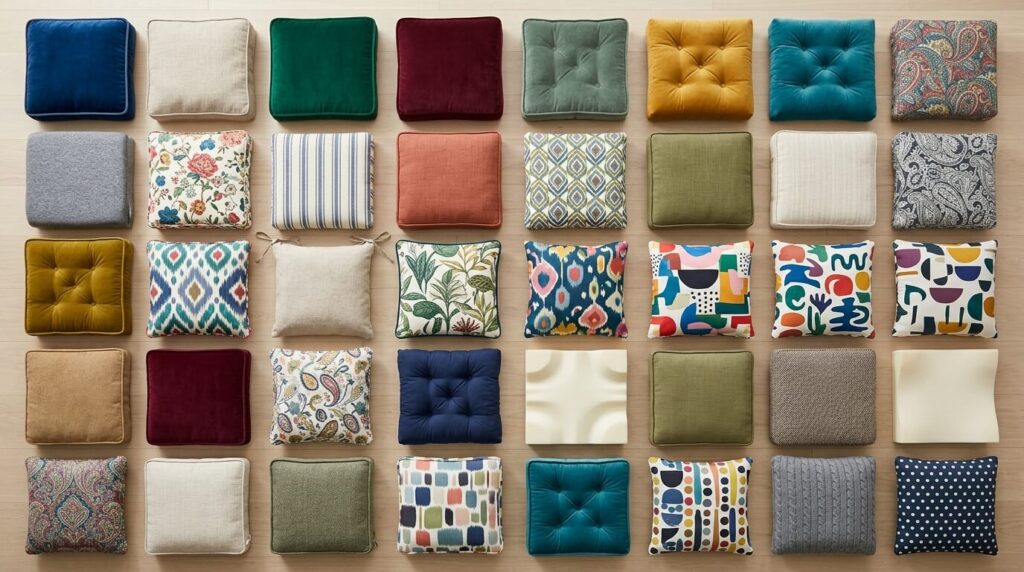
A good chair can look beautiful, but if sitting on it becomes uncomfortable after a few minutes, something is missing. That is where a chair cushion can make a surprisingly big difference. Whether you are upgrading a dining chair, making a home office seat more comfortable, or adding a softer touch to an outdoor space, the right cushion can improve both comfort and appearance.
Think of a cushion as the finishing layer of a chair. Just as a mattress can change how a bed feels, a well-chosen cushion can transform an ordinary seat into a much more enjoyable place to sit.
But with so many sizes, materials, shapes, colors, and fillings available, how do you know which option is right for you? Let’s explore everything you need to know before making your choice.
What Is a Chair Cushion?
A chair cushion is a padded layer designed to sit on top of a chair seat. It can be made from materials such as foam, polyester, cotton, memory foam, or other forms of padding. Some cushions are designed specifically for indoor furniture, while others are made to handle outdoor conditions.
They come in many forms. You can find simple square pads for dining chairs, thick cushions for armchairs, supportive options for desk chairs, and decorative designs for patio furniture.
The basic purpose is simple: make sitting more comfortable while improving the appearance of the chair.
Some designs also have ties or non-slip surfaces to prevent movement. Others have removable covers that can be washed when necessary.
A cushion does not need to be expensive to make a noticeable difference. Even a relatively simple padded seat can make a hard wooden chair much more pleasant to use.
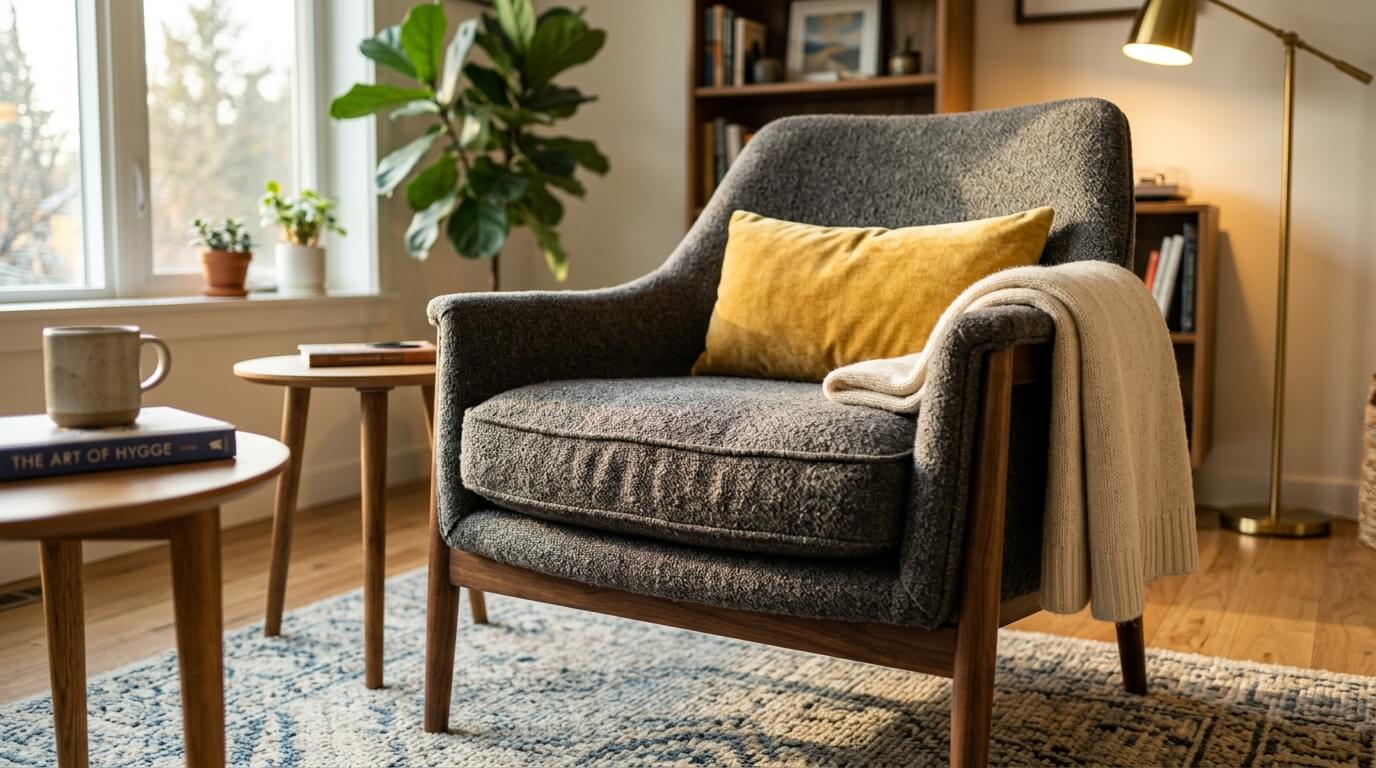
Why Are Chair Cushions Important?
Have you ever sat on a hard chair for an hour and started shifting around because you could not get comfortable? A quality cushion can help solve that problem.
The main benefit is comfort. Padding creates a softer surface between your body and the chair. This can be especially useful when you spend long periods sitting at a dining table, desk, dressing table, or reading chair.
A cushion can also provide additional support. The right level of firmness helps distribute pressure rather than allowing all of it to concentrate in one area.
There is also a visual benefit. A plain chair can instantly look warmer and more inviting when paired with a suitable cushion.
Key benefits include:
- Improved comfort
- Additional seating support
- Better pressure distribution
- Protection for the original chair
- An easy way to update furniture
- More color and personality
- Greater warmth in a room
In many cases, replacing an entire chair is unnecessary. Adding the right cushion can be a much simpler way to refresh it.
Different Types of Chair Cushions
Not every cushion is designed for the same purpose. Understanding the main types makes shopping much easier.
Dining Chair Cushions
Dining cushions are usually relatively thin and designed to fit standard dining seats. They may have ties that attach to the back of the chair.
Because dining chairs are used frequently, choose a design that is comfortable but also easy to clean.
Office Chair Cushions
Office seating often requires more support because people may sit for several hours at a time. Foam or memory foam can provide a supportive surface.
However, a cushion should not make the seat so high that your feet no longer rest comfortably on the floor.
Rocking Chair Cushions
Rocking chairs often require cushions specifically shaped for their seats and backs. A matching set can create a comfortable and coordinated appearance.
Outdoor Chair Cushions
Patio cushions need to deal with sunlight, moisture, dust, and temperature changes. Outdoor-specific fabrics and quick-drying fillings are usually better suited to these conditions.
Bench Cushions
Long seating areas may require a rectangular cushion rather than a traditional square design. Bench cushions can make wooden or metal benches much more comfortable.
How to Choose the Right Size
One of the biggest mistakes people make is buying a cushion without measuring the chair first.
Before shopping, measure the width and depth of the seat. If the chair has unusual curves or rounded corners, measure carefully around the usable seating area.
A cushion that is too small may leave uncomfortable exposed areas. One that is too large may hang over the edges or interfere with the chair frame.
For chairs with arms, also consider whether the added thickness will affect your seating position.
Before purchasing, check:
- Seat width
- Seat depth
- Seat shape
- Cushion thickness
- Tie placement
- Backrest dimensions, if applicable
- Available space around the chair
If you are replacing an existing cushion, measuring the old one can also provide a useful starting point.
Remember that measurements listed by manufacturers may describe the cushion before or after filling, so always check the product’s specific sizing information.
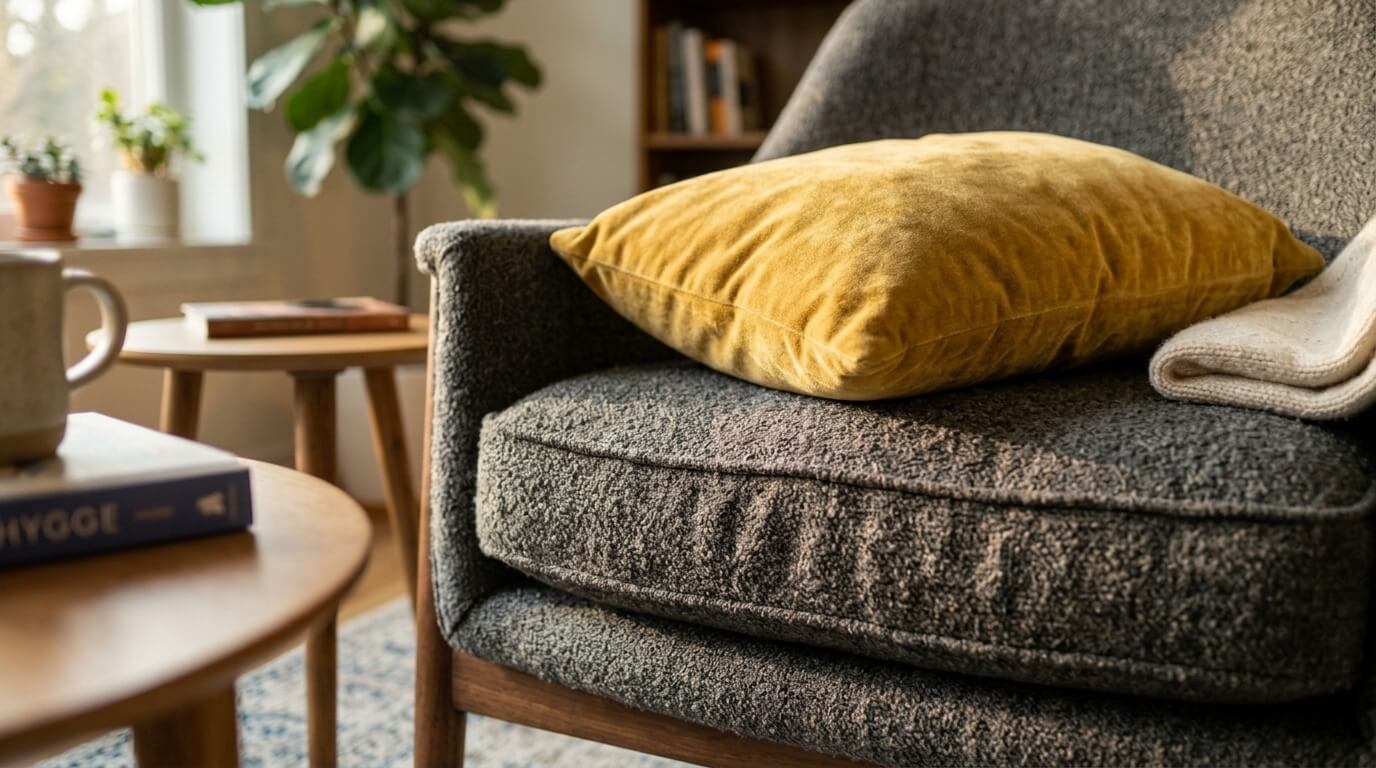
Choosing the Best Cushion Filling
The filling inside a cushion largely determines how it feels.
Foam
Foam is a popular choice because it provides consistent support. Different densities create different levels of firmness.
A good-quality foam cushion can retain its shape for a long time, making it useful for frequently used seating.
Memory Foam
Memory foam responds to body pressure and can create a more customized feeling. It is often used when comfort is a priority.
It may be especially appealing for people who spend extended periods sitting, although preferences vary.
Polyester Fiber
Polyester filling is commonly used in decorative and everyday cushions. It can feel soft and comfortable and is available at different price points.
One possible drawback is that some fiber-filled cushions can flatten with frequent use and may need regular fluffing.
Cotton or Natural Fillings
Natural materials can provide a soft and traditional feel. They may appeal to people who prefer natural textiles and classic furniture styles.
However, maintenance requirements can vary depending on the material.
The best filling depends on how you use the chair. A decorative dining cushion does not necessarily need the same level of support as a cushion used on a desk chair every day.
Which Cover Material Is Best?
The outer fabric is just as important as the filling.
For everyday furniture, look for a material that feels pleasant but can also withstand regular use.
Cotton
Cotton is comfortable, breathable, and available in countless colors and patterns. It works well in many indoor settings.
Polyester
Polyester is often chosen because it is durable and relatively easy to maintain. It is available in many styles and can be a practical option for busy households.
Velvet
Velvet can give furniture a luxurious appearance. It works particularly well with decorative interiors, although it may require more careful cleaning.
Outdoor Fabrics
Outdoor seating requires materials designed to cope with environmental exposure. Look for fabrics specifically marketed for outdoor use rather than assuming any synthetic fabric is suitable.
A removable, washable cover can be particularly useful if children, pets, food, or frequent use are involved.
Chair Cushions for Different Rooms
The ideal cushion depends heavily on where the chair is located.
Dining Room
Dining chairs benefit from cushions that are comfortable without being excessively thick. A washable cover is useful because meals can occasionally become messy.
Home Office
For an office chair, prioritize support over appearance. A cushion should help create a comfortable seating position without raising you too high.
Living Room
Living-room furniture gives you more freedom to experiment with decorative fabrics, textures, and colors.
Bedroom
A small cushion can make a bedroom chair or dressing stool more inviting. Soft fabrics and calming colors often work well here.
Kitchen
Kitchen seating usually benefits from practical, easy-to-clean materials. Since kitchen chairs are often used frequently, durability should be considered alongside comfort.
Patio and Garden
Outdoor seating needs weather-resistant materials and appropriate construction. Cushions should ideally be stored in a dry place when severe weather is expected.
Comfort, Support, and Thickness
It is easy to assume that a thicker cushion must automatically be more comfortable. That is not always true.
Imagine walking in a pair of shoes that are extremely soft but provide no support. They might feel wonderful initially, but after a long day, the lack of structure could become uncomfortable.
The same principle applies to seating.
A cushion should provide enough softness to improve comfort while retaining enough structure to support your weight.
Thickness is only one part of comfort. The density of the filling, construction, chair design, and your personal preference all matter.
For everyday seating, a medium-firm option may provide a useful balance between softness and support.
Also pay attention to your sitting height. A very thick cushion can raise your body significantly, potentially changing your posture or making a dining table feel too low.
Colors, Patterns, and Interior Style
A cushion is not only functional. It is also a simple decorating tool.
If your room already contains bold patterns, a plain cushion may create balance. If the furniture is neutral, a patterned design can introduce personality.
Neutral Colors
Beige, cream, gray, white, and brown can blend easily with many interiors.
Bold Colors
Blue, green, yellow, red, or other stronger shades can create an eye-catching accent.
Patterns
Stripes, checks, florals, geometric shapes, and traditional prints can all change the character of a chair.
You can also coordinate the cushion with curtains, rugs, wall art, or other textiles.
Do not be afraid to experiment. Replacing a cushion is much easier than repainting a room or buying new furniture.
How to Clean and Maintain Your Cushion
Even a high-quality cushion needs proper care.
Start by checking the manufacturer’s cleaning instructions. Different fabrics and fillings require different methods.
For removable covers, washing according to the care label is usually the easiest option. For non-removable covers, gentle spot cleaning may be more appropriate.
Regular vacuuming can remove dust and crumbs before they become embedded in the fabric.
For outdoor cushions, allow them to dry completely after exposure to moisture. Storing damp cushions can encourage unpleasant odors and other problems.
Useful maintenance habits include:
- Vacuum regularly.
- Treat spills quickly.
- Follow the fabric’s care instructions.
- Avoid excessive moisture.
- Rotate cushions when practical.
- Fluff fiber-filled cushions when needed.
- Store outdoor cushions appropriately.
- Keep cushions away from unnecessary direct exposure when not in use.
Good maintenance can significantly extend the useful life of your seating accessories.
Common Buying Mistakes to Avoid
Buying a cushion may seem straightforward, but a few common mistakes can reduce satisfaction.
Ignoring Measurements
A beautiful cushion is useless if it does not fit your chair properly.
Choosing Appearance Over Comfort
A stylish design is nice, but if you dislike sitting on it, you probably will not use it.
Buying Without Considering Cleaning
A delicate fabric may not be practical for a kitchen or dining area.
Choosing Excessive Thickness
More padding does not always mean greater comfort. It can also alter your sitting position.
Forgetting the Chair’s Purpose
A cushion for occasional decorative use can be very different from one used for eight hours a day.
Ignoring Attachment
If a cushion constantly slides forward, you may become frustrated. Ties, straps, or non-slip materials can help keep it in place.
Taking a few minutes to think about these factors before buying can save you from replacing the cushion later.
How to Make a Chair Cushion Last Longer
Once you find a cushion you love, you naturally want it to last.
Avoid placing unnecessary stress on the fabric. For example, do not use a delicate decorative cushion as a step or place sharp objects on it.
Rotate cushions occasionally when the design allows it. This can help distribute wear more evenly.
Keep food and drinks away when possible, and clean spills quickly rather than allowing them to settle into the fabric.
For outdoor cushions, protection is particularly important. Bring them indoors during prolonged periods of bad weather when practical.
Storage also matters. A dry, ventilated storage area can help protect cushions when they are not being used.
Small habits may not seem important individually, but together they can make a significant difference.
DIY Chair Cushion Ideas
You do not always need to buy a ready-made cushion. If you enjoy sewing or crafting, making one yourself can be an enjoyable project.
You can choose your own fabric, filling, shape, and thickness. This makes DIY cushions especially useful when you have an unusual chair size that is difficult to match with standard products.
A basic project may involve:
- Measuring the chair seat.
- Creating a paper template.
- Cutting the fabric to size.
- Choosing suitable filling.
- Sewing the cover.
- Adding ties if required.
- Inserting the filling.
- Checking the fit.
DIY projects also allow you to reuse attractive leftover fabric.
For example, an old curtain, suitable upholstery fabric, or unused textile may become a completely new seating accessory.
Think of it as giving an old chair a second life rather than throwing it away.
How Much Should You Spend?
The right budget depends on how frequently you use the cushion and what features matter to you.
A simple decorative cushion may be inexpensive, while a high-quality custom-made or supportive option can cost considerably more.
Instead of focusing only on price, consider value.
If a cushion is used every day for several years, spending a little more on durable construction may make sense. On the other hand, if you only need a decorative seasonal cushion, an inexpensive option might be perfectly adequate.
Before buying, compare:
- Materials
- Filling
- Construction
- Cover quality
- Washability
- Size
- Intended use
- Expected durability
The cheapest option is not always the most economical, and the most expensive option is not automatically the best.
How to Choose the Right Chair Cushion for You
There is no single perfect cushion for everyone.
Start by asking yourself a few simple questions:
Where will I use it?
A kitchen, office, bedroom, and patio have different requirements.
How often will I sit on it?
Daily use calls for greater durability and support.
Do I prioritize softness or support?
This will help narrow down suitable fillings.
How easy should it be to clean?
Busy homes may benefit from removable, washable covers.
What style suits my room?
Think about existing colors, furniture, and patterns.
Does it need to stay in place?
If so, consider ties, straps, or a non-slip underside.
Answering these questions before shopping can make your decision much easier.
Frequently Asked Questions
1. What is the best thickness for a chair cushion?
There is no universal thickness that works for every chair. A moderate thickness can provide a good balance between comfort and support, but the ideal choice depends on the chair, filling, and how long you plan to sit.
2. Are memory foam cushions good for chairs?
Memory foam can provide pressure-relieving comfort and may be useful for people who sit for extended periods. However, some people prefer firmer foam or fiber fillings, so personal preference matters.
3. How do I stop a chair cushion from sliding?
Look for cushions with ties, straps, or non-slip backing. You can also use suitable non-slip material beneath the cushion, provided it is compatible with the chair’s surface.
4. Can chair cushions be washed?
Some can, particularly those with removable covers. Always check the care instructions before washing because certain fabrics and fillings may require spot cleaning or professional care.
5. How do I know what size cushion to buy?
Measure the usable width and depth of your chair seat before purchasing. Also consider the cushion’s thickness and whether it will interfere with the chair’s arms, frame, or table height.
Final Thoughts
A chair cushion may be a small addition to your furniture, but it can have a big impact on everyday comfort and style. The right choice can make a hard chair softer, improve support, protect the original surface, and give an older piece of furniture a fresh appearance.
The key is to look beyond color and price. Measure your chair carefully, consider the filling and fabric, think about how often the cushion will be used, and choose a design that fits both your comfort needs and your room.
After all, a chair is meant to be enjoyed—not simply looked at. With the right cushion, even an ordinary seat can become a much more welcoming place to sit.