

Ever wondered why one cricket ground looks completely different from another, even though the sport follows the same rules everywhere? If you’ve watched a match at Lord’s and then one at the MCG, you’ve probably noticed the shape, size, and even the grass color aren’t identical. That’s because, unlike football or basketball, a cricket ground isn’t built to one fixed size — and that single fact changes how the game is played, scored, and even strategized.
In this guide, we’ll break down what actually makes up a cricket ground, how its dimensions work, the different types you’ll come across, and why the shape of the field can quietly decide the outcome of a match. Whether you’re a cricket fan trying to understand the game better, a player curious about the rules, or someone planning to build a local ground, this article covers it all in plain, simple language.
What Is a Cricket Ground?
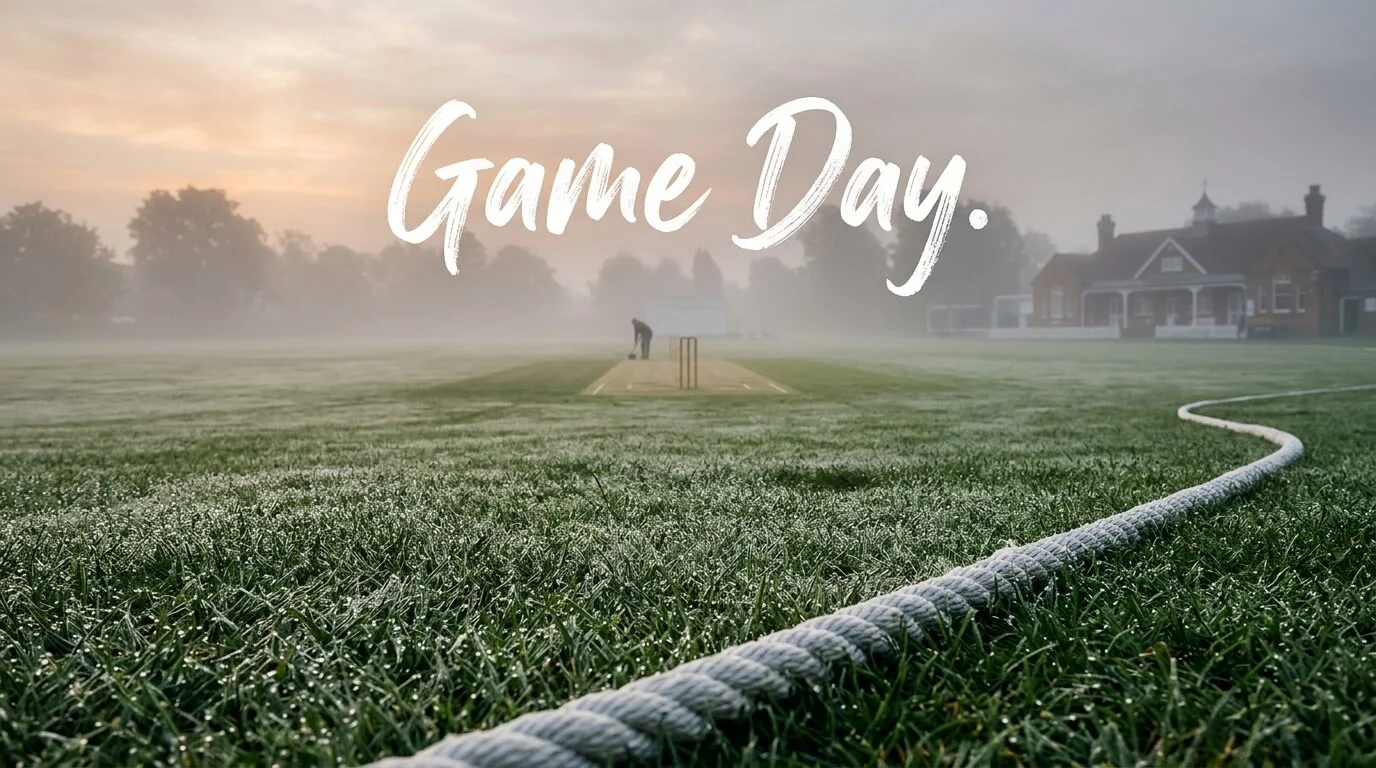
A cricket ground is the open playing area where a cricket match takes place. At its center lies the pitch — a narrow strip of carefully prepared turf where the bowler delivers the ball and the batter defends the wicket. Surrounding the pitch is the outfield, and the entire playing area is marked off by a boundary line or rope.
Unlike many other sports, a cricket ground doesn’t have a fixed, standardized shape. It can be oval, circular, or even slightly irregular, depending on the venue. What stays consistent, however, are certain core measurements — particularly the pitch length — which are governed by the official Laws of Cricket set by the Marylebone Cricket Club (MCC).
Cricket Ground Dimensions Explained
One of the most common questions people ask is how big a cricket ground actually is. The honest answer is: it depends. But there are guidelines that most professional grounds follow.
Pitch Length and Width
The pitch itself is fixed at 22 yards (about 20.12 meters) long and 10 feet (roughly 3.05 meters) wide. This measurement hasn’t changed for centuries and is one of the few truly universal numbers in the sport.
Boundary Size
The boundary, on the other hand, isn’t fixed. According to International Cricket Council (ICC) playing conditions, the boundary should ideally be between 59.43 meters (65 yards) and 82.29 meters (90 yards) from the center of the pitch. This flexibility is exactly why some grounds feel “small” and hitter-friendly, while others feel much bigger and reward accurate, disciplined batting.
Total Ground Area
Because the boundary radius can vary, the total playing area of a cricket ground typically ranges anywhere from 3 to 4.5 hectares. Some historic grounds are smaller and quirky in shape, while modern stadiums are often built larger and more symmetrical to accommodate bigger crowds.
Key Parts of a Cricket Ground
Understanding the layout becomes much easier once you know the main sections that make up a cricket ground.
The Pitch
Already mentioned above, but worth repeating — the pitch is the heart of the ground. Its condition (dry, damp, cracked, grassy) directly affects how the ball behaves, which is why groundstaff spend hours preparing it before a match.
The Outfield
This is the grassy area surrounding the pitch, where fielders are positioned. A well-maintained outfield allows the ball to travel fast when hit, while a slower, longer outfield can reduce the number of boundaries scored.
The Boundary Line
Marked with a rope or painted line, the boundary defines the edge of playable territory. A ball crossing this line on the ground scores four runs, while one that clears it in the air scores six.
Popping Crease and Return Crease
These are the white lines drawn near each end of the pitch. The popping crease determines whether a batter is “in” or “out” of their ground, while the return crease is used for judging no-balls related to bowler positioning.
Types of Cricket Grounds
Not every cricket ground serves the same purpose, and understanding the different categories helps put the sport’s structure into perspective.
International Stadiums
These are large, purpose-built venues designed for Test matches, One Day Internationals, and T20 fixtures. Think of places like Eden Gardens, the MCG, or Lord’s — grounds with massive seating capacity, floodlights, drainage systems, and broadcast-ready infrastructure.
Domestic and Club Grounds
Smaller in scale, these grounds host regional leagues, school tournaments, and club-level matches. They may not have the polish of international stadiums, but they play a crucial role in developing local talent.
Practice and Academy Grounds
Used mainly for training, these often include multiple nets, bowling machines, and smaller-scale pitches designed purely for skill development rather than match hosting.
How the Shape of a Cricket Ground Affects the Game
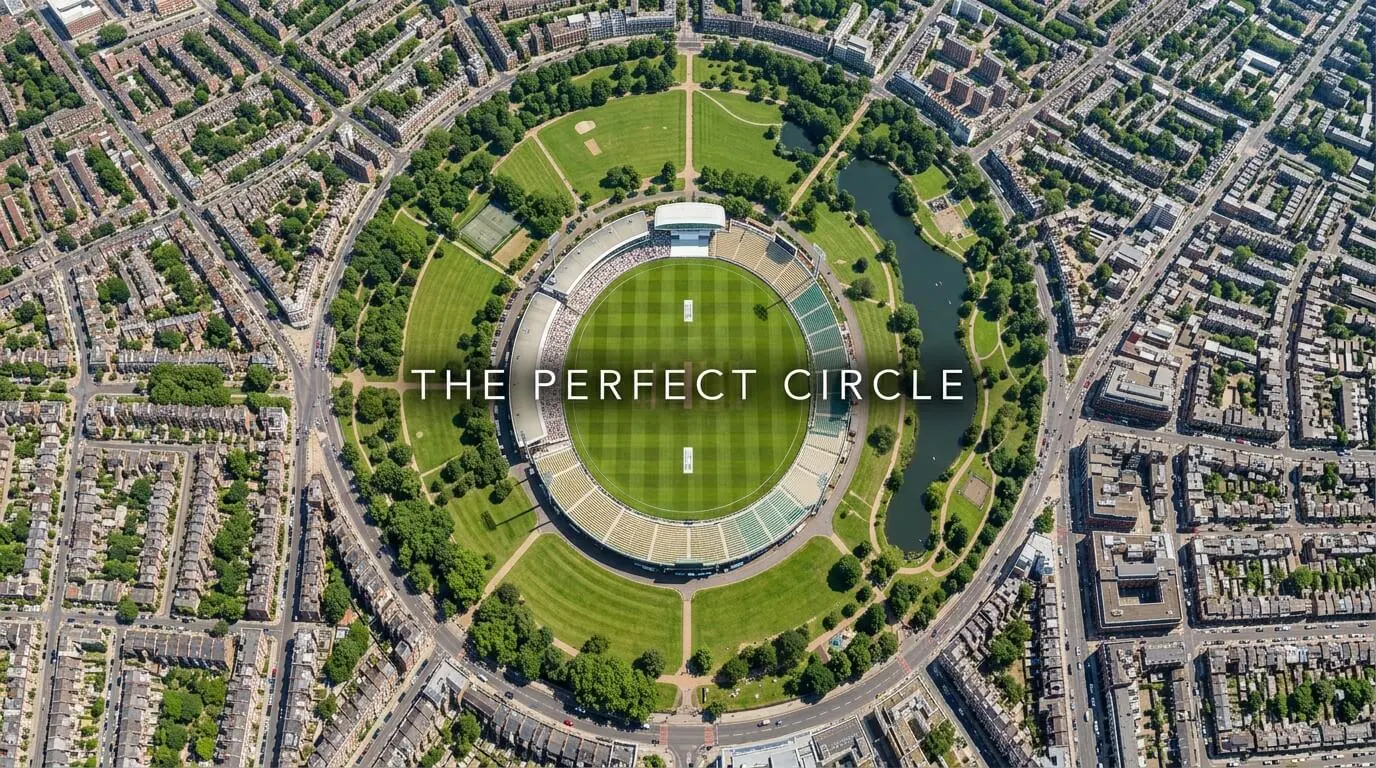
This is where things get genuinely interesting. Because ground dimensions aren’t uniform, the same shot that goes for six on one ground might just be a routine catch on another. Shorter boundaries on one side of an oval-shaped ground often lead to batters targeting that direction more aggressively, while bowlers adjust their line and length to defend the shorter side.
Wind direction, pitch condition, and even the altitude of the ground (higher-altitude grounds tend to see the ball travel further due to thinner air) all interact with the physical layout to shape match outcomes. This is part of why commentators frequently mention “ground conditions” — it’s not just weather; it’s the very geometry of the field.
I’ve personally sat in the stands at a local domestic match where a straightforward shot cleared the short side boundary for six, and later in the same over, a much harder-hit ball toward the longer side was caught comfortably inside the rope. It’s a small but memorable reminder of how much the ground itself shapes the game, not just the players.
Maintaining a Cricket Ground
A quality cricket ground doesn’t happen by accident. Groundstaff typically manage:
- Pitch preparation — rolling, watering, and mowing to control bounce and pace
- Outfield mowing — kept short and even to allow consistent ball speed
- Drainage systems — crucial for quickly clearing rainwater and resuming play
- Boundary marking — repainted or re-roped before every match
Poorly maintained grounds can lead to uneven bounce, dangerous playing conditions, and disputes over boundary calls — which is why even amateur clubs invest real time into upkeep.
Frequently Asked Questions
What is the standard size of a cricket ground?
There’s no single standard size, but most grounds have a boundary radius between 59 and 82 meters from the pitch center, giving a total playing area of roughly 3 to 4.5 hectares.
Is the cricket pitch length the same everywhere?
Yes. Regardless of the ground’s overall size or shape, the pitch is always 22 yards long and 10 feet wide under the official Laws of Cricket.
Why are some cricket grounds oval and others round?
Ground shape usually depends on the original construction, available land, and whether the venue was adapted from another sport’s stadium, which explains the variety seen across different countries.
Can a cricket ground be too small for professional matches?
Yes. The ICC sets minimum boundary distances for international matches specifically to prevent grounds from being too small, which would otherwise make scoring unfairly easy.
What’s the difference between the outfield and the boundary?
The outfield is the grassy playing area where fielders stand, while the boundary is the marked line at the very edge of that area, defining where four and six runs are scored.
Final Thoughts
A cricket ground is far more than just an open field — its dimensions, shape, and condition quietly influence nearly every aspect of how a match unfolds. From the fixed 22-yard pitch to the flexible boundary distances, understanding this layout gives you a deeper appreciation for the sport, whether you’re watching from the stands or playing on the field yourself.
If you’re planning to visit a stadium, coach a local team, or even get involved in ground maintenance, understanding these basics will make the experience far more meaningful. Got a specific cricket ground you’d like broken down in detail? Drop a comment below and let’s talk cricket.