
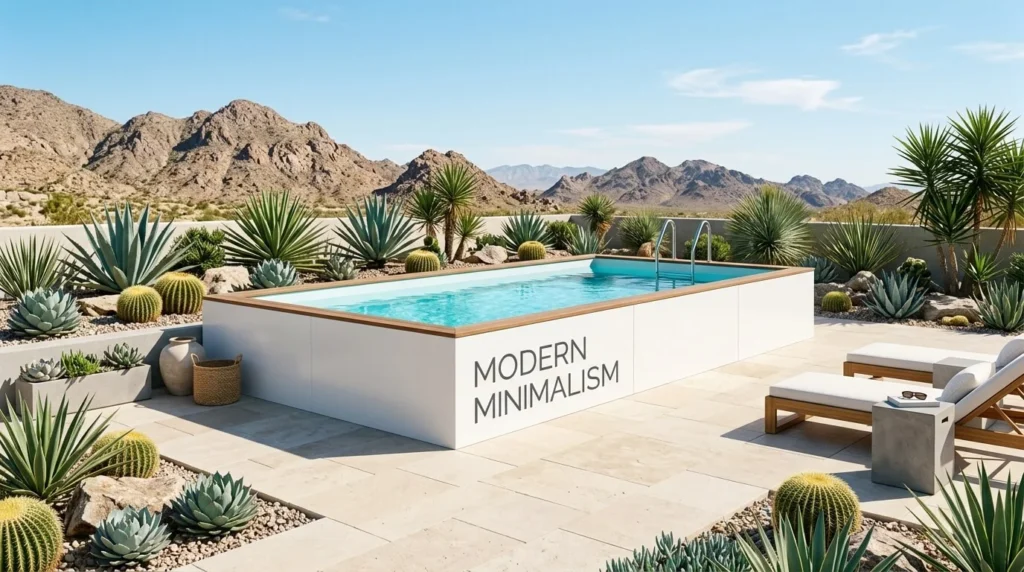
A few summers ago, above ground pools had a bit of a reputation problem. They were the “budget option” — the thing you settled for if an inground pool wasn’t in the cards. That’s changed. Walk through any suburban neighborhood today and you’ll spot sleek, resin-sided pools that look almost custom-built, sitting next to decks and outdoor lounges that wouldn’t look out of place in a design magazine.
If you’re weighing whether an above ground pool is right for your backyard, this guide will walk you through everything that actually matters: the types available, how to pick the right size, what installation really involves, and how to keep the water clean without spending your whole summer on maintenance. No fluff, no sales pitch — just what you need to make a smart decision.
What Makes an Above Ground Pool Different
An above ground pool sits on top of your yard rather than being dug into it. The structure is typically a round or oval frame — usually steel, resin, or a hybrid of both — lined with a durable vinyl liner that holds the water. Because there’s no excavation involved, these pools cost significantly less and go up in days rather than weeks.
That said, “cheap and easy” doesn’t mean “low quality.” Higher-end models now come with reinforced frames, UV-resistant resin panels, and liners rated to last 15+ years. The gap between a good above ground pool and an entry-level inground pool, in terms of actual swimming experience, has narrowed a lot.
The Main Types of Above Ground Pools
Steel-Frame Pools
These are the classic option — affordable, sturdy, and widely available. Steel frames hold their shape well, but in humid or coastal climates, rust can eventually become an issue if the coating wears down. If you go this route, look for galvanized or powder-coated steel, which resists corrosion far better than basic painted frames.
Resin Pools
Resin has become the go-to choice for anyone wanting a pool that looks a step above the rest. It won’t rust, it handles temperature swings well, and it tends to look more polished sitting in a yard. The trade-off is price — resin pools typically run 20–40% more than comparable steel models.
Hybrid Pools
Hybrid pools combine a resin exterior with steel internal supports, aiming to give you the best of both: the corrosion resistance of resin with the structural strength of steel. They sit in the mid-to-upper price range and are a solid choice if you want longevity without paying full resin pricing.
How to Choose the Right Size and Shape
This is where a lot of buyers get it wrong — they pick a pool based on price alone and end up with something too small for how they actually planned to use it.
A few things to think through:
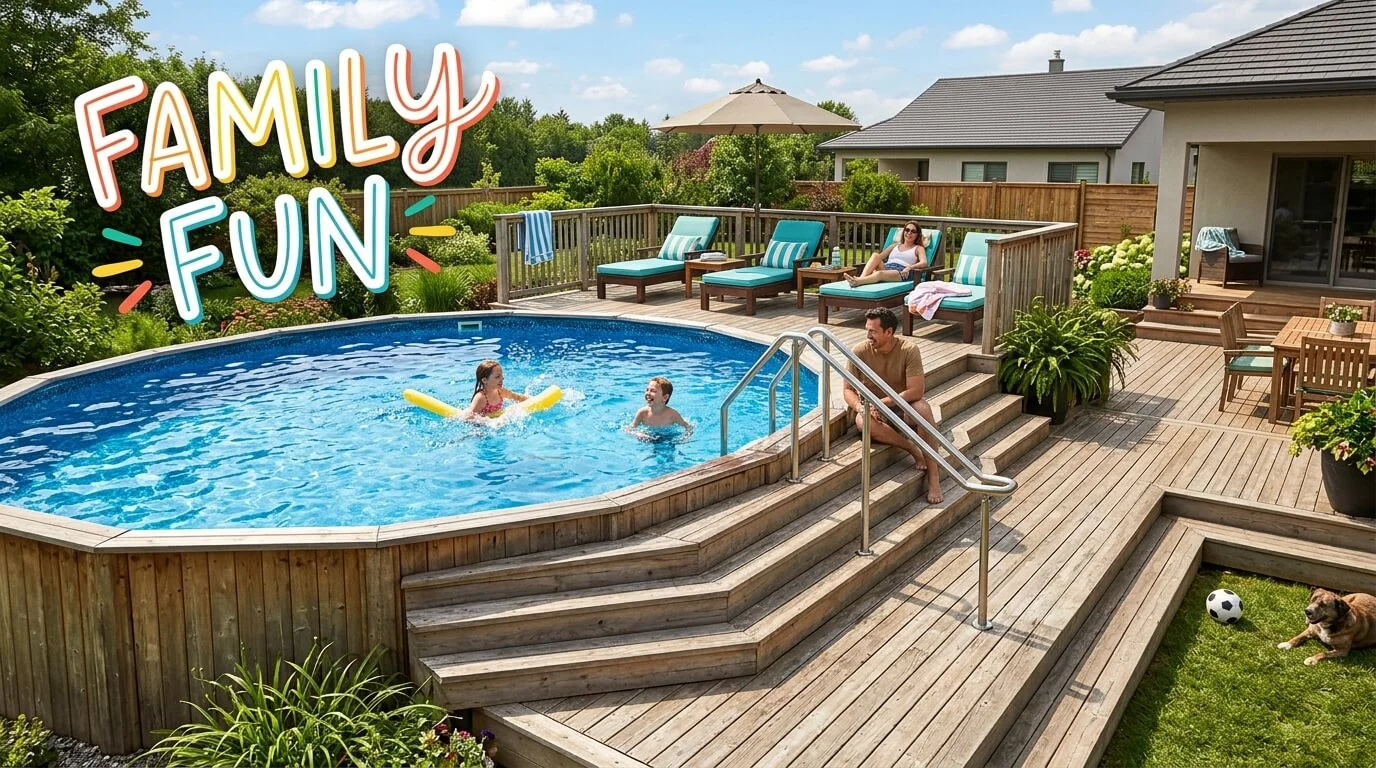
- Family size and use case. If it’s mainly for kids to splash around in, a 12-15 foot round pool is usually plenty. If adults will be swimming laps or hosting groups, look at 18-24 foot round or oval models.
- Yard shape and slope. Oval pools fit narrow yards better, while round pools are generally easier and cheaper to install because they distribute water pressure more evenly.
- Depth. Most above ground pools range from 48 to 54 inches deep. If you want real swimming room (not just wading), aim for the higher end of that range.
A good rule of thumb: measure your available space, then subtract at least 3-4 feet around the pool’s footprint for a walking clearance and any decking you might want later.
What Above Ground Pool Installation Actually Involves
This is usually the part people underestimate. A pool isn’t something you just drop onto grass and fill with a hose.
Site Preparation
The ground needs to be level — genuinely level, not “close enough.” Even a one-inch slope across the pool’s base can cause uneven pressure on the walls and shorten the liner’s lifespan. Most installers recommend a compacted sand or crushed-stone base, sometimes topped with a foam cove or pad to protect the liner from rocks and roots underneath.
DIY vs. Professional Installation
Smaller pools (up to about 15 feet) are genuinely doable as a weekend DIY project if you’re reasonably handy and have help — most kits include clear instructions. Larger pools, or yards with any real slope, are worth paying a professional for. A bad install shows up fast: shifting walls, a wrinkled liner, or water draining unevenly. The cost of getting it right the first time is almost always less than fixing it later.
Realistic Costs
Expect to pay anywhere from a few hundred dollars for a basic small pool kit up to several thousand for a larger, resin-framed model with a pump, filter, and ladder included. Site prep, a proper base, and any electrical work for pumps or lighting will add to that, so budget accordingly rather than being surprised later.
Keeping Your Pool Clean Without It Becoming a Second Job
Maintenance is the part that determines whether you’ll actually enjoy your pool or dread dealing with it.
- Test water chemistry weekly. Chlorine, pH, and alkalinity all need to stay in range — test strips or a liquid kit make this a five-minute task.
- Run the filter enough. As a general guideline, aim to circulate the entire pool volume at least once every 8-12 hours during swim season.
- Skim and vacuum regularly. A quick daily skim keeps debris from sinking and staining the liner, which saves a lot of scrubbing later.
- Cover it when not in use. A pool cover cuts down on debris, slows evaporation, and reduces how often you need to rebalance the chemicals.
Skipping these steps doesn’t cause immediate problems — it causes gradual ones. Cloudy water, algae, and liner staining are almost always the result of small maintenance tasks piling up over weeks.
Above Ground vs. Inground: Which Actually Makes Sense for You
It’s less about which is “better” and more about what fits your situation. Above ground pools cost a fraction of inground installation, can be removed or relocated, and don’t require the permanent landscaping commitment. Inground pools offer more design flexibility and tend to add resale value to a home. If you’re planning to stay in your house long-term and want a permanent backyard feature, inground may be worth the investment. If you want a solid swimming season without a five-figure commitment, above ground is hard to beat.
Frequently Asked Questions
How long do above ground pools typically last?
With proper maintenance, a quality steel or resin frame can last 15-20 years, though the vinyl liner usually needs replacing every 7-10 years depending on sun exposure and water balance.
Can I install an above ground pool on a sloped yard?
Yes, but it requires proper grading or a retaining structure first. Installing directly on a slope without leveling the ground is one of the most common causes of early pool failure.
Do above ground pools raise my property taxes?
In most areas, no — because they’re considered temporary or removable structures rather than permanent additions, unlike inground pools. It’s worth checking local regulations, since rules vary by region.
How much does it cost to run an above ground pool per month?
Between the pump’s electricity use and chemical upkeep, most owners spend somewhere in the range of $30-80 a month during swim season, depending on pool size and local utility rates.
What size pump do I need?
As a rule, your pump should be able to filter your entire pool’s water volume within an 8-hour cycle. Most manufacturers list a recommended pump size based on pool capacity — check that against your specific model before buying.
Final Thoughts
An above ground pool is one of the few backyard upgrades that delivers real, daily value for a relatively modest investment. The key is choosing the right type and size for your space, taking installation seriously instead of rushing it, and staying on top of basic maintenance so the water stays inviting all season long.
If you’re ready to move forward, start by measuring your yard and setting a realistic budget — that alone will narrow your options considerably and make the rest of the decision much easier.