
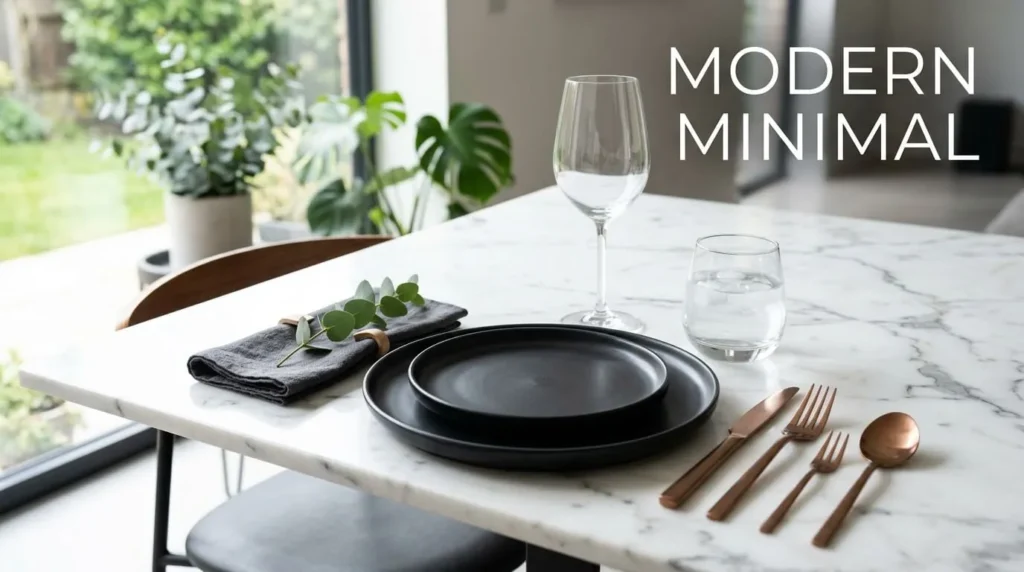
Ever bought a dinner set that looked gorgeous in the store, only to have half the pieces chipped or unused within a year? You’re not alone. Most people buy dinnerware based on looks alone, then regret it the first time they load the dishwasher or host a dinner party and realize they’re three plates short.
A dinner set isn’t just tableware — it’s something you touch, wash, and look at every single day. Get it wrong, and you’ll be shopping again in twelve months. Get it right, and it’ll carry you through birthdays, quiet weeknight dinners, and everything in between for years.
This guide walks you through exactly what to look for before you buy, so you don’t end up with another set gathering chips in the back of your cabinet.
What Is a Dinner Set, Exactly?
A dinner set is a matching collection of dishes designed for everyday meals or special occasions. A standard set usually includes dinner plates, side or salad plates, bowls, and sometimes cups and saucers. Sets are typically sold in counts of 16, 24, or 32 pieces, built to serve four, six, or eight people.
The idea is simple: instead of buying plates, bowls, and cups separately (and dealing with mismatched patterns), a dinner set gives you a coordinated look right out of the box.
Types of Dinner Sets by Material
The material of your dinner set affects everything — how it looks, how long it lasts, and how much work it takes to maintain. Here’s a quick breakdown.
Ceramic and Stoneware Dinner Sets
Ceramic dinner sets are the most popular choice for everyday use. They’re affordable, come in endless colors and patterns, and hold up well to daily wear. Stoneware, a denser type of ceramic, is slightly heavier and more chip-resistant, making it a solid pick for families with kids or frequent guests.
Porcelain and Bone China Dinner Sets
If you want something that feels a little more special, porcelain and bone china are the way to go. They’re thinner, lighter, and often more elegant, which is why you’ll see them at weddings and formal dinners. The trade-off is that they’re more delicate and usually pricier.
Melamine Dinner Sets
Melamine is virtually unbreakable, lightweight, and budget-friendly — perfect for outdoor dining, camping, or households with young children. The catch: it’s not microwave-safe and tends to scratch over time.
Glass and Opal Ware Dinner Sets
Glass and opal ware sets have a sleek, modern look and are usually resistant to stains and odors. They can be heavier and, in the case of glass, more prone to shattering if dropped.
How to Choose the Right Dinner Set Size
Before you fall for a pattern, figure out how many people you actually need to serve.
- 4-person households: A 16-piece set (4 dinner plates, 4 side plates, 4 bowls, 4 cups) usually covers daily needs.
- 6-person households or occasional guests: Go with a 24-piece set for breathing room.
- Frequent entertainers: A 32-piece set, or two smaller sets that mix and match, gives you flexibility for larger gatherings.
A common mistake is buying a set sized exactly for your household with zero extra pieces. Life happens — plates chip, guests drop by, and you’ll want a couple of spares without having to hunt down a matching replacement years later.

Choosing a Style That Fits Your Kitchen
Your dinner set should feel like it belongs in your home, not like a random purchase.
Classic and Minimalist Designs
Plain white or neutral-toned sets are the safest long-term investment. They pair with any table décor, never look dated, and make food the visual star of the table.
Patterned and Colorful Sets
If your kitchen has personality, lean into it. Floral prints, geometric patterns, or bold colors can make everyday meals feel more festive. Just keep in mind that trendy patterns can feel dated faster than neutral ones.
Mixed and Curated Sets
A growing number of people are moving away from matchy-matchy sets and mixing complementary pieces instead. If you like a more eclectic table, look for open-stock dinnerware — pieces sold individually within the same collection — so you can build your own combination over time.
What to Check Before You Buy
A few practical checks can save you from a disappointing purchase.
- Chip and crack resistance – Look for reviews mentioning durability, not just appearance.
- Microwave and dishwasher safety – Confirm this on the label; not all materials handle both.
- Lead and cadmium safety – Reputable brands test for food-safe glazes, especially important for colorful or imported ceramics.
- Weight and stackability – Heavier plates feel premium but are harder to store; check if the set stacks neatly in your cabinet.
- Open stock availability – Confirm the brand sells individual replacement pieces, so a single broken plate doesn’t force you to replace the whole set.

Caring for Your Dinner Set So It Lasts
Even the best dinner set won’t survive years of misuse. A few habits go a long way:
- Avoid sudden temperature changes (don’t put a hot dish straight into cold water).
- Stack plates with a soft liner or paper towel between them to prevent scratching.
- Hand wash delicate porcelain or bone china, even if labeled dishwasher-safe, to preserve the glaze.
- Store cups by the handle loosely, not stacked, to avoid pressure cracks.
Frequently Asked Questions
What is the best material for an everyday dinner set? Stoneware or ceramic is best for daily use. It’s durable, affordable, and handles dishwasher and microwave use well, unlike more delicate porcelain or bone china.
How many pieces should a dinner set have for a family of four? A 16-piece dinner set is typically enough for a family of four, giving each person a dinner plate, side plate, bowl, and cup.
Is melamine dinnerware safe to use? Yes, melamine is food-safe for regular use, but it should not be heated in a microwave, as it can release chemicals when exposed to high heat.
Can I mix different dinner sets together? Absolutely. Many people now mix neutral bases with patterned accent pieces for a more personalized table. Just keep a consistent color palette so it doesn’t look mismatched.
How do I know if a dinner set is good quality? Check the weight (too light often means thinner, more breakable material), inspect the glaze for even coating, and read reviews specifically mentioning chipping or fading after regular use.
Final Thoughts
Choosing a dinner set doesn’t have to be complicated once you know what actually matters: the right material for your lifestyle, a size that leaves room for guests, and a style you won’t tire of in six months. Skip the impulse buy, tick through the checklist above, and you’ll end up with dinnerware that actually earns its place in your cabinet.
If you’re ready to shop, start by measuring your cabinet space and counting how many people you typically serve — then use this guide to narrow down the material and size before you fall in love with a pattern.
A few years ago, I bought a beautiful 32-piece porcelain set purely because it looked stunning online. Within four months, two bowls had hairline cracks from being stacked wrong, and I couldn’t find matching replacements because the pattern had been discontinued. My next set was plain stoneware, chosen specifically because the brand sold open stock. It’s been three years, survived countless dinner parties and a couple of dishwasher mishaps, and still looks brand new. That one switch taught me that the “boring” choice is often the smarter one — and it’s why I always check for replacement piece availability before buying anything now.