
Introduction
What makes something feel beautiful, attractive, or visually pleasing? Sometimes it is a carefully decorated room. Sometimes it is an outfit, a photograph, a garden, or even the atmosphere of a quiet café. The word aesthetic is often used to describe these feelings and visual choices.
Today, aesthetic is much more than simply looking good. It represents personal taste, mood, creativity, and the way we choose to present our surroundings and ourselves. From minimalist interiors to vintage fashion and carefully edited social media photos, aesthetic styles have become part of everyday life.
But what does aesthetic actually mean, and how can you create your own style without copying everyone else? Let’s explore it in a simple and practical way.
What Does Aesthetic Mean?
The term aesthetic generally relates to beauty, appearance, and the way something makes us feel through our senses. In everyday conversation, people often use it to describe a particular visual atmosphere or style.
For example, someone might say that a bedroom has a cozy aesthetic. They could be referring to warm lighting, soft blankets, wooden furniture, neutral colors, plants, and decorative objects that create a comfortable mood.
In the same way, an outfit can have a particular aesthetic. A person wearing vintage clothing, leather boots, and classic accessories might have a retro aesthetic. Someone wearing simple neutral clothing may prefer a minimalist appearance.
The interesting thing is that aesthetic is not limited to one definition.
It can be visual, emotional, personal, cultural, or creative.
Think of an aesthetic as the personality of a space or appearance. Just as people have different personalities, different places and styles can have completely different visual personalities.
Why Aesthetic Matters in Everyday Life
You may not realize it, but aesthetics influence many of your daily decisions.
Why do you prefer one café over another? Why does one bedroom feel relaxing while another feels uncomfortable? Why do certain clothes immediately catch your attention?
The answer is often connected to visual and sensory experiences.
A pleasing environment can make ordinary activities feel more enjoyable. A well-organized workspace may make it easier to concentrate. A comfortable bedroom can create a stronger sense of relaxation. Even a favorite outfit can influence how confident you feel.
Aesthetic choices can communicate personality without using words.
For businesses, aesthetics are equally important. Restaurants, clothing brands, hotels, websites, and social media accounts often develop a recognizable visual identity. The colors, photographs, typography, packaging, and layout all contribute to the impression people receive.
However, aesthetics should not become an obsession with perfection. Beauty does not require everything to look expensive or flawless. Sometimes the most attractive spaces are those that feel authentic and lived-in.
The Difference Between Aesthetic and Style
Although the words are sometimes used interchangeably, aesthetic and style are not exactly the same thing.
Style usually refers to the particular way something is designed, worn, arranged, or expressed. Aesthetic is broader because it includes the overall feeling created by those choices.
For instance, your fashion style might include loose jeans, sneakers, and oversized shirts. Your overall aesthetic might be casual, urban, youthful, or minimalist.
Imagine preparing a meal.
The style could be the recipe and cooking method, while the aesthetic is the presentation, table setting, lighting, colors, and atmosphere surrounding the meal.
This distinction helps explain why two people can wear similar clothes but create completely different impressions.
Your aesthetic comes from how different elements work together.
Popular Aesthetic Styles
There are countless aesthetic styles, and new trends appear regularly. Some become popular for a short time, while others remain influential for decades.
Minimalist Aesthetic
Minimalism focuses on simplicity and functionality. It commonly uses neutral colors, clean lines, uncluttered spaces, and carefully selected objects.
The goal is not necessarily to own nothing. Instead, it is about giving attention to things that genuinely matter.
Vintage Aesthetic
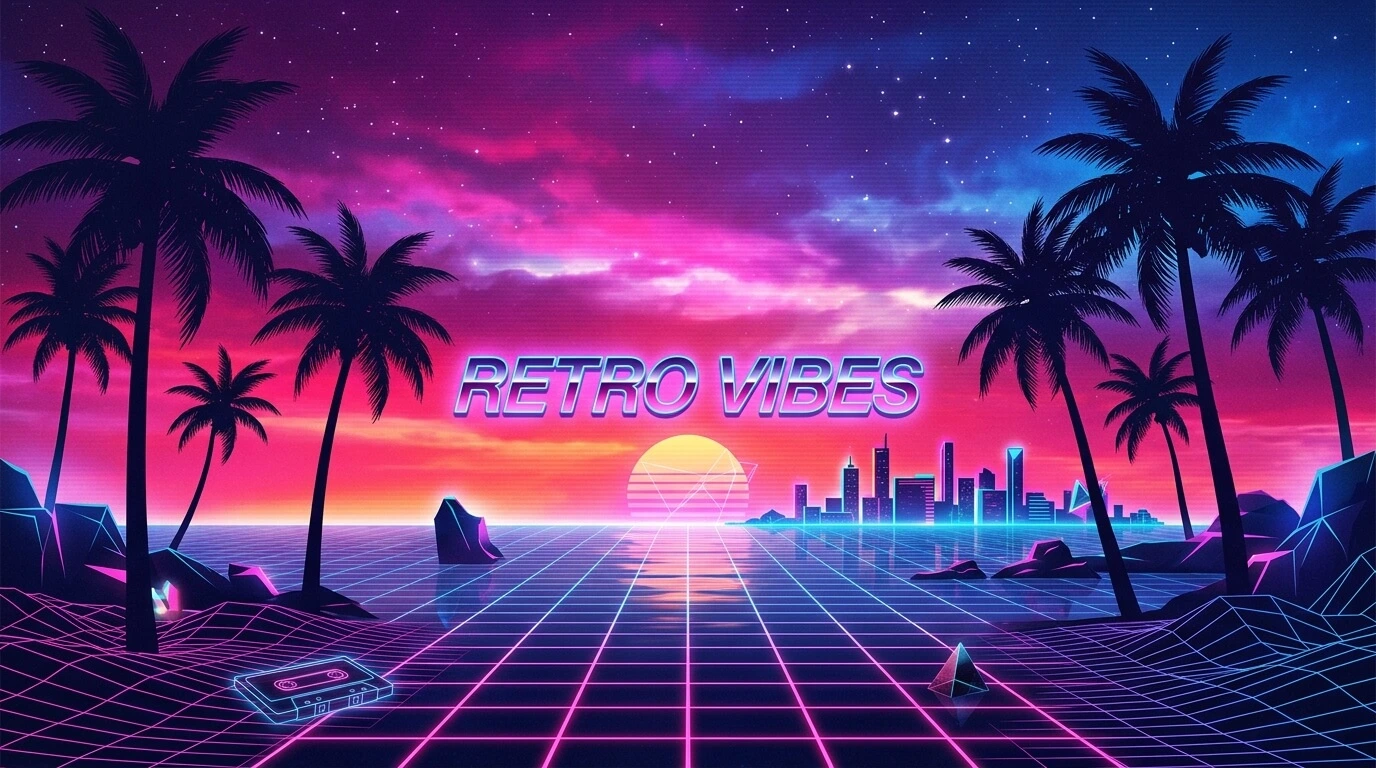
Vintage-inspired aesthetics draw inspiration from earlier decades. Old-fashioned furniture, classic clothing, film photography, retro colors, and antique accessories can all contribute to this look.
The appeal often comes from nostalgia and character.
Cottagecore Aesthetic
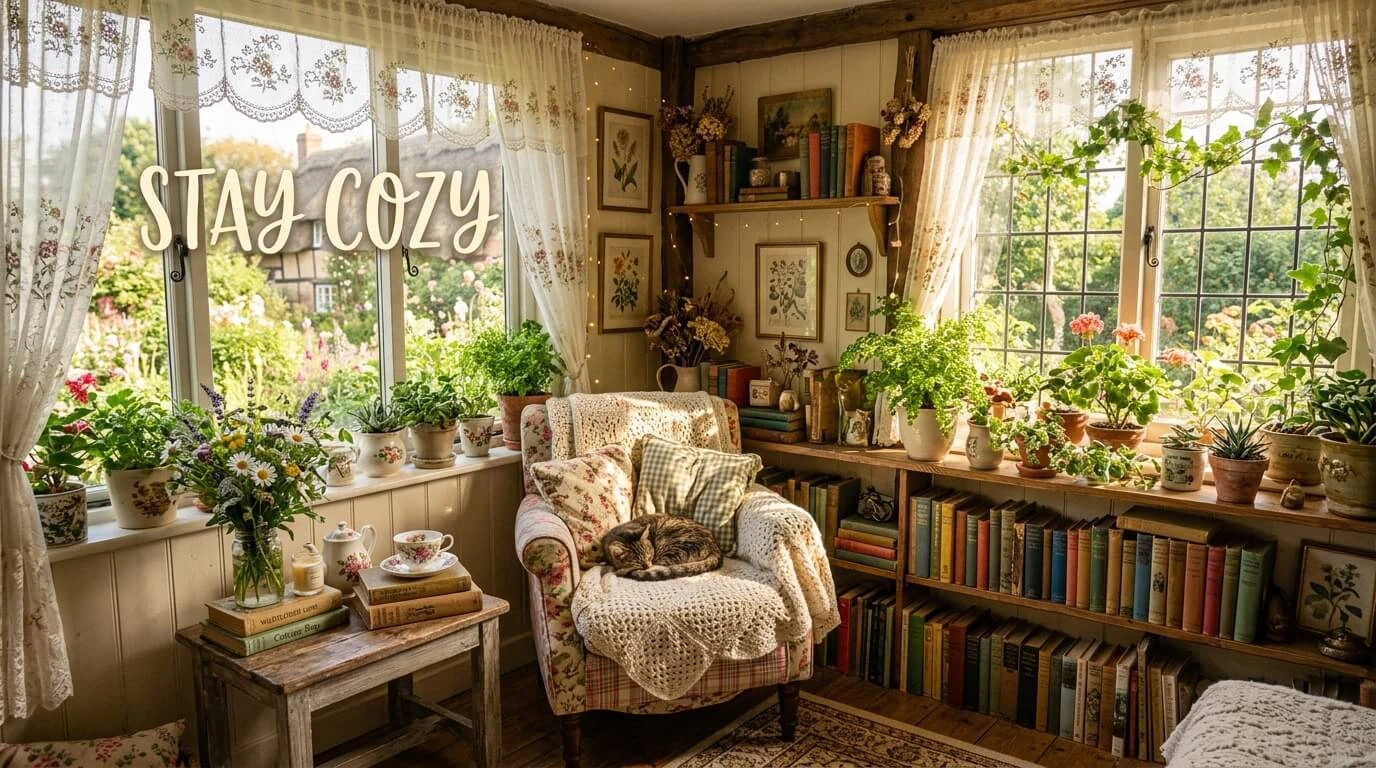
Cottagecore celebrates a romantic vision of simple countryside living. Flowers, gardens, handmade objects, natural fabrics, baking, books, and rural imagery are common elements.
It creates a peaceful feeling that contrasts with the speed of modern life.
Dark Aesthetic
Dark aesthetics often use black, deep brown, charcoal, dark red, and other dramatic tones. Moody photography, gothic influences, candles, old architecture, and mysterious imagery may appear in this style.
Clean Aesthetic
A clean aesthetic emphasizes freshness, organization, simplicity, and polished presentation. Light colors, tidy spaces, simple clothing, and minimal accessories are common.
Streetwear Aesthetic
Streetwear combines casual clothing with urban influences. Sneakers, oversized garments, graphic shirts, jackets, caps, and bold accessories are often used to create this appearance.
Nature-Inspired Aesthetic
This approach takes inspiration from the natural world. Earth tones, greenery, wood, stone, flowers, landscapes, and natural textures can make an environment feel calm and organic.
These categories are useful starting points, but you do not have to follow one of them completely.
Your personal aesthetic can be a mixture of several influences.
Aesthetic Fashion and Personal Appearance
Fashion is one of the easiest ways to express an aesthetic.
You do not need a huge wardrobe to create a recognizable appearance. Instead, focus on choosing clothing that works together.
Start with a few basic questions:
What colors do I naturally like?
Do I prefer simple or detailed clothing?
Do I feel more comfortable in classic, casual, modern, or vintage pieces?
Which accessories represent my personality?
Once you understand your preferences, building outfits becomes easier.
For example, someone who likes a minimalist aesthetic might choose neutral shirts, straight-leg trousers, simple sneakers, and understated accessories. Someone interested in a vintage appearance could experiment with classic silhouettes, patterned clothing, leather accessories, or retro-inspired footwear.
The most important point is comfort.
An aesthetic outfit that makes you uncomfortable will probably not feel authentic. Fashion should support your personality rather than hide it.
Creating an Aesthetic Home
Your home does not need to look like an expensive magazine photograph to have a beautiful aesthetic.
Start with the basics.
Choose a color direction.
You might prefer warm neutrals, cool whites, earthy tones, pastels, or darker shades.
Reduce unnecessary clutter.
A room can instantly feel more attractive when surfaces are organized.
Add texture.
Rugs, curtains, cushions, blankets, baskets, and wooden elements can make a room feel more interesting.
Use lighting carefully.
Lighting can completely change the mood of a space. Soft lamps and warm-toned lights often create a more relaxed atmosphere than harsh overhead lighting.
Add personal objects.
Books, artwork, photographs, plants, handmade decorations, and meaningful souvenirs can make a room feel like yours.
Remember that an aesthetic home is not about buying everything at once.
It is more like creating a painting. You add one element, step back, and see how it works with the rest.
Aesthetic Photography and Social Media
Photography has played a major role in making aesthetic culture popular.
A simple photograph can become visually powerful through composition, lighting, colors, and editing.
Composition
Consider where objects appear within the frame. A clean composition often makes photographs easier to appreciate.
Lighting
Natural light can produce soft and attractive results. Early morning and late afternoon light can be particularly useful for outdoor photography.
Color
Try to create consistency between different photographs. If every image uses completely different colors and editing styles, your overall visual identity may feel disconnected.
Background
A simple background can help the main subject stand out. You do not always need an expensive location. A plain wall, table, window, garden, or street can work beautifully.
Editing
Editing should improve the photograph rather than completely change reality.
Small adjustments to brightness, contrast, exposure, and color balance can make a significant difference.
For social media, consistency is often more important than perfection. A recognizable visual identity can make a profile feel more organized and memorable.
How Colors Shape an Aesthetic
Color is one of the strongest tools for creating a mood.
Different colors can create different emotional impressions.
White often suggests simplicity and cleanliness.
Black can feel elegant, dramatic, or mysterious.
Green is frequently associated with nature and freshness.
Blue can create a calm or peaceful feeling.
Yellow can feel cheerful, energetic, and warm.
Brown often creates an earthy and comfortable atmosphere.
Pink can appear soft, playful, romantic, or modern depending on how it is used.
You do not have to limit yourself to one color. Instead, choose a small palette that works together.
For example, an earthy aesthetic might combine beige, brown, cream, olive green, and muted orange.
A minimalist aesthetic might use white, gray, beige, and black.
The secret is balance rather than quantity.
Aesthetic Lifestyle and Daily Habits
An aesthetic lifestyle is not simply about taking attractive photographs or decorating your bedroom.
It can also mean paying more attention to everyday experiences.
Imagine drinking your morning tea from a favorite cup, keeping your desk organized, listening to music while preparing dinner, writing in a journal, or taking a quiet walk in the evening.
None of these activities requires expensive products.
The aesthetic comes from being intentional about the experience.
You might create a peaceful morning routine with soft music, natural light, and a few minutes without your phone. You could organize your workspace so that the items you use regularly are easy to reach.
Even simple habits such as arranging books, caring for plants, or preparing a nice meal can become part of a lifestyle that feels more personal.
Aesthetic living is ultimately about appreciating your surroundings.
How to Find Your Personal Aesthetic
Finding your aesthetic can feel confusing because there are so many online trends.
The easiest approach is to stop asking, “What aesthetic is popular?” and start asking, “What do I actually like?”
Create a collection of images that attract you. These might include outfits, rooms, landscapes, artwork, architecture, photographs, food, or colors.
After collecting several examples, look for patterns.
Do you repeatedly choose warm colors?
Are your favorite images simple or dramatic?
Do you prefer modern designs or older styles?
Do you like nature?
Do you prefer bright spaces or darker environments?
These patterns can reveal your natural preferences.
Build From What You Already Own
You do not need to completely replace your wardrobe or redecorate your home.
Start with what you already have.
Move furniture, reorganize decorations, experiment with combinations, and remove things that do not fit the atmosphere you want.
Mix Different Influences
Your aesthetic does not have to fit into a single internet trend.
Maybe you love minimalist furniture but also enjoy vintage decorations. Perhaps you like streetwear clothing and nature photography.
That’s perfectly fine.
Personal style becomes interesting when different influences come together.
Common Mistakes to Avoid
Aesthetic trends can be fun, but there are several mistakes worth avoiding.
Copying Someone Completely
Inspiration is useful, but copying another person’s entire appearance can make your style feel less personal.
Use trends as ingredients rather than as a complete recipe.
Buying Too Much
You do not need to purchase dozens of decorations, clothes, or accessories to create an aesthetic.
Quality and coordination are often more valuable than quantity.
Chasing Every Trend
Internet trends change quickly. If you constantly change your style to follow the newest trend, you may spend money without ever discovering what you genuinely enjoy.
Ignoring Function
A beautiful room is not useful if you cannot comfortably live in it.
A stylish outfit is not successful if you cannot move comfortably.
Good aesthetics should work with real life, not fight against it.
Trying to Look Perfect
Real life is not a photograph.
Small imperfections can actually make a space or image feel more authentic.
How to Create an Aesthetic on a Budget
One of the biggest misconceptions is that an attractive aesthetic requires a lot of money.
It doesn’t.
Start with rearranging what you already have.
For your room, clean surfaces, reorganize furniture, change the position of decorations, and improve lighting.
For fashion, learn how to combine basic pieces in different ways. Accessories can also transform an outfit without requiring a completely new wardrobe.
For photography, use natural lighting and experiment with different angles. Your smartphone can be enough for many creative projects.
You can also explore secondhand stores, thrift shops, local markets, handmade products, and DIY projects.
Creativity is often more valuable than money.
A plain wooden table decorated with a plant, a book, and a small lamp can look more inviting than a room filled with expensive objects that do not work together.
The Future of Aesthetic Trends
Aesthetic culture continues to evolve because people constantly discover new ways to express themselves.
Social media platforms have made visual trends spread faster than ever. A style that begins with a small group of creators can become internationally popular within weeks.
At the same time, people are becoming increasingly interested in individuality.
Instead of following one strict aesthetic, many people are combining different styles to create something unique.
Technology is also changing the way aesthetics are created. Digital design tools, smartphone photography, artificial intelligence, virtual environments, and advanced editing applications allow almost anyone to experiment with visual ideas.
However, technology does not replace personal taste.
Tools can help you create something, but your choices give it personality.
The future of aesthetic expression will likely be less about following one fixed trend and more about creating visual identities that reflect individual interests and experiences.
Conclusion
Aesthetic is ultimately about more than beautiful pictures, fashionable clothing, or perfectly decorated rooms. It is a way of expressing taste, personality, mood, and creativity.
You do not need to follow a popular trend or spend a lot of money. Start by noticing what naturally attracts you. Experiment with colors, textures, clothing, photography, lighting, and your surroundings.
Most importantly, make your aesthetic feel like you.
Beauty is not a single formula. It is more like music: different combinations can create completely different experiences, and there is room for everyone’s interpretation.
Frequently Asked Questions
1. What does aesthetic mean?
Aesthetic refers to ideas related to beauty, appearance, visual appeal, and sensory experience. In everyday use, it often describes a particular style, mood, or visual atmosphere.
2. How can I find my personal aesthetic?
Start by collecting images, outfits, rooms, colors, and designs you genuinely like. Look for repeated patterns in your choices and experiment with those elements in your own life.
3. Do I need to spend a lot of money to create an aesthetic?
No. You can create an attractive aesthetic by reorganizing existing belongings, improving lighting, combining clothing differently, using natural elements, and trying inexpensive or DIY ideas.
4. What are some popular aesthetic styles?
Popular styles include minimalist, vintage, cottagecore, dark, clean, streetwear, nature-inspired, retro, bohemian, and many others. Trends change, so you can also combine multiple styles.
5. Why is aesthetic important?
Aesthetic choices can influence how a space, outfit, photograph, or brand feels. They can also provide a way to communicate personality and create environments that feel comfortable, inspiring, or enjoyable.