

Introduction
Small changes can sometimes make the biggest difference in a home. Cushion covers are a perfect example. You do not need to replace an entire sofa or buy expensive furniture to give a room a fresh appearance. Simply changing the covers on your cushions can introduce new colours, patterns, textures, and personality.
Think of cushion covers as the clothing of your furniture. Just as changing an outfit can completely change your appearance, a new cover can transform an ordinary sofa, chair, or bed.
Whether you prefer a modern, traditional, minimalist, colourful, or cosy interior, there are countless options to explore. This guide explains how to choose the right designs, fabrics, sizes, and colours while keeping comfort and practicality in mind.
1. Why Cushion Covers Matter
A room’s atmosphere is created by many small details. Curtains, rugs, lighting, artwork, throws, and cushions all contribute to the overall appearance. Among these, cushion covers are particularly easy to change.
They offer three major benefits:
- Easy decoration: You can change the appearance of furniture without replacing it.
- Practical protection: Covers help protect cushion inserts from dust, stains, spills, and everyday wear.
- Personal expression: Colours and patterns allow you to show your personality.
Imagine your sofa as a blank canvas. The cushions are like the brushstrokes that add character to it. A plain sofa can look elegant with neutral linen covers, playful with colourful patterns, or luxurious with velvet textures.
Another advantage is flexibility. If you become bored with your current decoration, you can simply change the covers instead of buying new cushions.
2. Popular Materials and Fabrics
The material you choose affects comfort, appearance, durability, and maintenance. There is no single fabric that is perfect for every home.
Cotton
Cotton is one of the most popular choices because it is soft, comfortable, and relatively easy to maintain. It works especially well in casual living spaces and bedrooms.
Best for: Everyday use, family rooms, bedrooms, and warm climates.
Linen
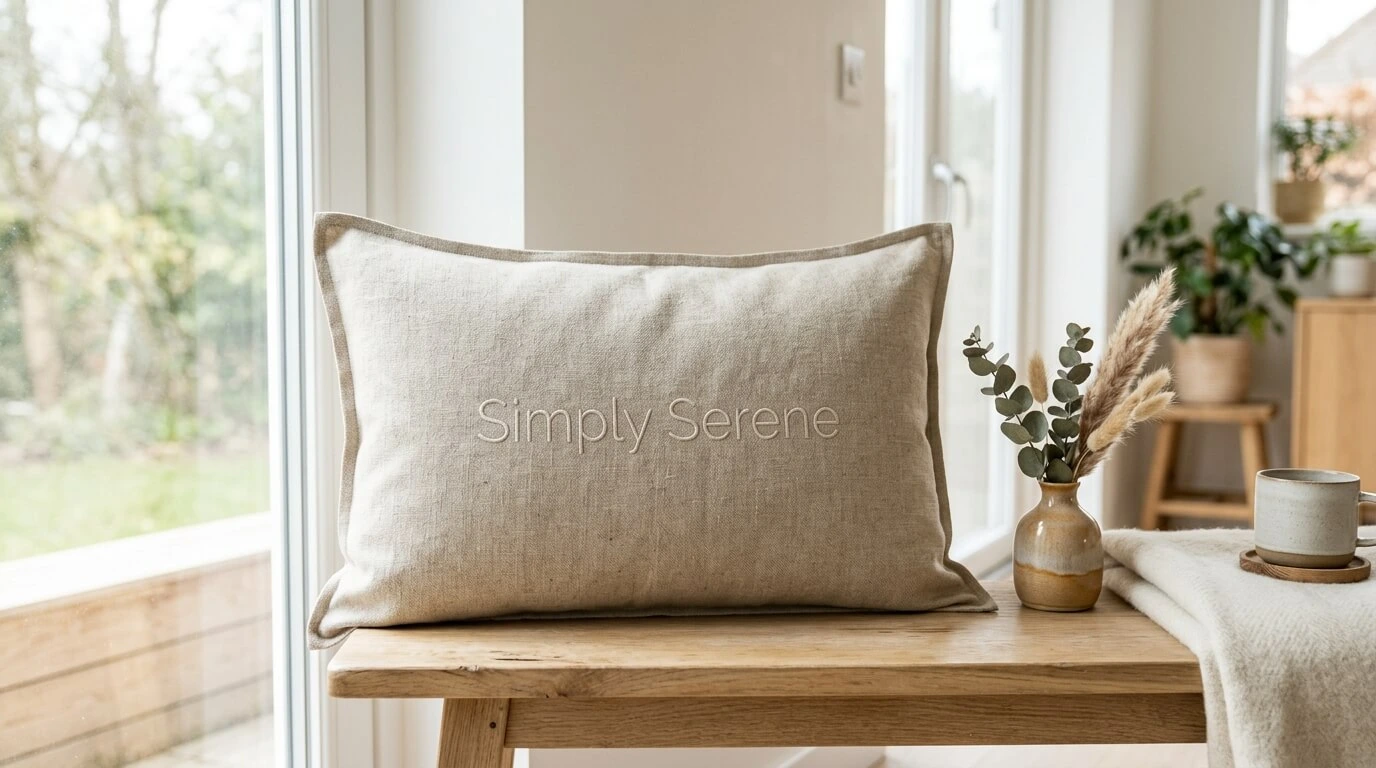
Linen has a relaxed and natural appearance. Its slightly textured surface can make a room feel sophisticated without looking overly formal.
Best for: Minimalist, coastal, Scandinavian, and contemporary interiors.
Velvet
Velvet brings a richer and more luxurious appearance. Its soft surface catches the light beautifully and can make cushions become a strong decorative feature.
Best for: Elegant living rooms, bedrooms, and glamorous interiors.
Polyester
Polyester is often chosen for its durability and affordability. Many polyester covers are also resistant to wrinkles and suitable for frequent use.
Best for: Busy households and everyday furniture.
Wool and Wool Blends
Wool can provide warmth and texture, making it particularly attractive during colder months. However, care requirements vary depending on the fabric blend.
Best for: Cosy interiors and winter decoration.
Outdoor Fabrics
If you are decorating a patio, balcony, garden seating area, or outdoor lounge, look for fabrics designed specifically for outdoor conditions.
These materials are generally made to handle sunlight and moisture better than ordinary indoor fabrics.
3. Choosing the Right Size
One of the easiest ways to make a cushion arrangement look untidy is choosing the wrong size.
Before purchasing new covers, measure your cushion inserts carefully. Measure the width and height, and consider the thickness if the insert is unusually deep.
Common cushion sizes include square and rectangular formats, although dimensions vary between manufacturers and regions.
Should the Cover Be Exactly the Same Size?
Not always.
For a fuller appearance, some people prefer a cover that is slightly smaller than the cushion insert. This can help create a plump, luxurious shape.
However, do not make the cover excessively small. A very tight cover can place unnecessary pressure on seams and make the cushion uncomfortable.
Always check the manufacturer’s measurements before ordering, particularly when shopping online.
4. Colours and Patterns for Different Rooms
Colour is one of the easiest ways to change the mood of a space.
Neutral Colours
Cream, beige, white, grey, taupe, and soft brown can create a calm atmosphere. Neutral covers are also easy to coordinate with existing furniture.
They are ideal if you like decoration that can remain attractive for several years.
Bold Colours
Deep green, navy, mustard, burgundy, terracotta, or rich blue can become attractive focal points.
If your sofa is neutral, bold cushions can provide the contrast the room needs.
Patterns
Stripes, florals, geometric designs, checks, abstract prints, and botanical patterns can add visual interest.
However, too many competing patterns may make a room feel chaotic.
A useful approach is to combine patterns with plain designs. For example, use one patterned cushion alongside two solid-colour cushions.
Mixing Colours Successfully
You do not need every cushion to match perfectly.
Instead, select a small colour palette and repeat those colours throughout the room. If your rug contains shades of blue and beige, for example, cushions can pick up those same tones.
This creates a sense of connection without making everything look identical.

5. Matching Covers With Your Interior
Before buying anything, take a moment to look around the room.
What colours are already present? What type of furniture do you have? Is the room modern, rustic, traditional, or eclectic?
Modern Interiors
Modern rooms often benefit from simple shapes, understated colours, and clean patterns.
Try combinations such as:
- Grey and white
- Black and cream
- Navy and beige
- Soft green and neutral tones
Traditional Interiors
Traditional spaces can accommodate floral patterns, classic stripes, decorative embroidery, and richer colours.
Bohemian Interiors
If you enjoy a relaxed and creative atmosphere, experiment with layered textures, earthy shades, tassels, embroidery, and varied patterns.
Minimalist Interiors
Less is often more. Choose a few high-quality covers instead of filling the sofa with numerous competing designs.
The goal is balance, not simply quantity.
6. Seasonal Cushion Cover Ideas
Changing covers with the seasons is an inexpensive way to keep your home feeling fresh.
Spring
Spring is a good time for lighter colours and botanical patterns. Soft green, pale yellow, pink, and floral designs can create a fresh atmosphere.
Summer
For summer, consider breathable fabrics and brighter shades. Coastal-inspired colours such as blue, white, sand, and light green can create a relaxed feeling.
Autumn
As temperatures fall, warmer colours become appealing. Rust, mustard, olive, burnt orange, and deep brown can make the room feel cosy.
Winter
Winter is perfect for richer textures. Velvet, wool-style fabrics, knitted designs, and darker shades can create a comfortable seasonal atmosphere.
You do not necessarily need four completely different collections. A few interchangeable covers can provide plenty of flexibility.
7. Decorative Styles to Consider
There are almost endless design possibilities.
Textured Covers
Texture can make a plain cushion much more interesting. Look for woven fabrics, ribbed materials, boucle-style textures, or subtle raised patterns.
Embroidered Designs
Embroidery can add detail without relying on strong colours. It works particularly well in bedrooms and traditional interiors.
Printed Designs
Printed covers are useful when you want an immediate visual impact. Floral, geometric, abstract, and nature-inspired designs are popular choices.
Plain Covers
Never underestimate simple designs. Plain covers can provide the visual breathing space needed when other cushions, curtains, rugs, or artwork are already busy.
Personalised Covers
Personalised designs can be useful for children’s rooms, gifts, special occasions, or homes where you want a unique decorative touch.
Names, initials, meaningful phrases, or custom artwork can turn an ordinary cushion into something personal.
8. Cushion Covers for Different Rooms
Different rooms have different requirements.
Living Room
The living room is usually where decorative cushions receive the most attention. Here, you can combine several shapes, colours, and textures.
A useful arrangement might include larger cushions at the back, medium cushions in the centre, and a smaller decorative cushion at the front.
Bedroom
Bedroom cushions can create a softer and more layered appearance. Choose fabrics that feel comfortable and coordinate with your bedding.
Neutral tones can encourage a calm atmosphere, while subtle patterns can add personality.
Dining Area
If you have cushions on dining chairs or benches, durability becomes particularly important. Choose fabrics that can handle frequent use and cleaning.
Home Office
A cushion can make an office chair or reading chair more comfortable while adding some personality to the workspace.
Outdoor Spaces
For balconies, patios, and garden furniture, select covers designed for outdoor use. Ordinary indoor fabrics may fade or deteriorate more quickly when exposed to sunlight and moisture.
9. How to Choose Durable Covers
A beautiful design is not enough if the cover quickly loses its shape.
Consider how frequently the cushion will be used.
If the cushions are mainly decorative, delicate fabrics may be suitable. If children, pets, or frequent visitors are involved, practicality should receive more attention.
Look at the Construction
Check the seams and stitching. Strong stitching is especially important for cushions that will be used frequently.
Consider the Fastening
Zips are convenient because covers can usually be removed more easily for cleaning. Envelope-style openings can also be practical and avoid the need for visible zips.
Think About Colour Fastness
If cushions will sit in strong sunlight, consider materials designed to resist fading.
Choose According to Lifestyle
Ask yourself a simple question: How much maintenance am I realistically willing to do?
A delicate fabric may look beautiful, but if you do not have time for careful cleaning, a more practical option may be better.
10. Cleaning and Caring for Cushion Covers
Proper care can significantly extend the life of your covers.
Read the Care Label
Always check the manufacturer’s cleaning instructions before washing a cover. Different fabrics can react differently to water, heat, detergents, and ironing.
Wash Carefully
If machine washing is permitted, use the recommended temperature. Avoid unnecessarily hot water because it can cause some fabrics to shrink or lose their shape.
Treat Stains Quickly
Fresh spills are generally easier to deal with than old stains. Gently blot a spill rather than aggressively rubbing it into the fabric.
Dry Correctly
Follow the care instructions for tumble drying or air drying. Some fabrics may need to be kept away from direct heat.
Store Seasonal Covers Properly
If you rotate covers throughout the year, clean them before storing them. Keep them somewhere dry and protected from excessive moisture.
A simple storage system can make seasonal decorating much easier.
11. Budget-Friendly Decorating Ideas
You do not need a large budget to refresh your home.
Buy Covers Instead of Entire Cushions
If your cushion inserts are still in good condition, replacing only the covers can be considerably more economical.
Create a Small Rotation
Instead of buying dozens of covers, choose a few versatile designs that can be mixed and matched.
For example, three plain covers and two patterned options can create several different arrangements.
Use One Statement Cushion
A single eye-catching cushion can sometimes transform a sofa more effectively than a large collection of similar designs.
Shop Around
Prices can vary significantly depending on fabric, craftsmanship, size, and brand. Compare measurements and materials rather than choosing purely based on appearance.
Remember that cheap is not always economical. A very inexpensive cover that needs replacing after a short period may cost more in the long run than a durable option.
12. Common Buying Mistakes to Avoid
Even simple home accessories can lead to disappointing purchases if you rush the decision.
Ignoring Measurements
Always check dimensions. A beautiful cover is useless if it does not fit the insert.
Choosing Appearance Over Practicality
A delicate material might look wonderful in a showroom but may not suit a busy family sofa.
Using Too Many Patterns
Several unrelated patterns can make a room feel visually crowded. Try creating a connection through colour.
Forgetting the Existing Decor
Before purchasing, consider the furniture, curtains, flooring, wall colours, and other accessories already in the room.
Buying Without Checking Care Instructions
If a cover requires specialist cleaning, make sure you are comfortable with that before purchasing it.
Choosing the Wrong Fabric for the Location
Outdoor furniture requires different materials from indoor seating. Similarly, frequently used cushions need more durable fabrics than purely decorative ones.
13. Conclusion
Cushion covers are one of the simplest ways to refresh your home without making major changes. They combine practicality and decoration, allowing you to experiment with colour, texture, patterns, and seasonal styles.
The best choice depends on your room, lifestyle, budget, and personal taste. Consider the fabric, size, fastening, durability, and cleaning requirements before buying.
Most importantly, do not be afraid to experiment. Your home should reflect you. Whether you prefer calm neutrals, bright colours, classic patterns, or luxurious textures, the right cushion arrangement can make an ordinary space feel much more welcoming.
14. Frequently Asked Questions
1. How do I know what size cushion cover to buy?
Measure the width and height of your cushion insert and compare those measurements with the product’s size guide. Always check the manufacturer’s measurements because sizing can vary between brands.
2. Which fabric is best for everyday cushion covers?
Cotton and durable polyester blends are popular choices for everyday use. The best option depends on how frequently the cushion is used and how much maintenance you are willing to provide.
3. Can I mix different cushion cover patterns?
Yes. Mixing patterns can create an attractive layered appearance. To keep the arrangement balanced, try repeating at least one colour across the different designs and include some plain cushions.
4. How often should cushion covers be washed?
There is no universal schedule. Frequently used covers may need regular cleaning, while decorative cushions may need less frequent washing. Always follow the care instructions provided with the product.
5. Are cushion covers a good way to update a room on a budget?
Absolutely. Replacing covers instead of buying new cushions or furniture can be a relatively inexpensive way to change a room’s appearance. A few carefully selected designs can create a noticeable difference.