
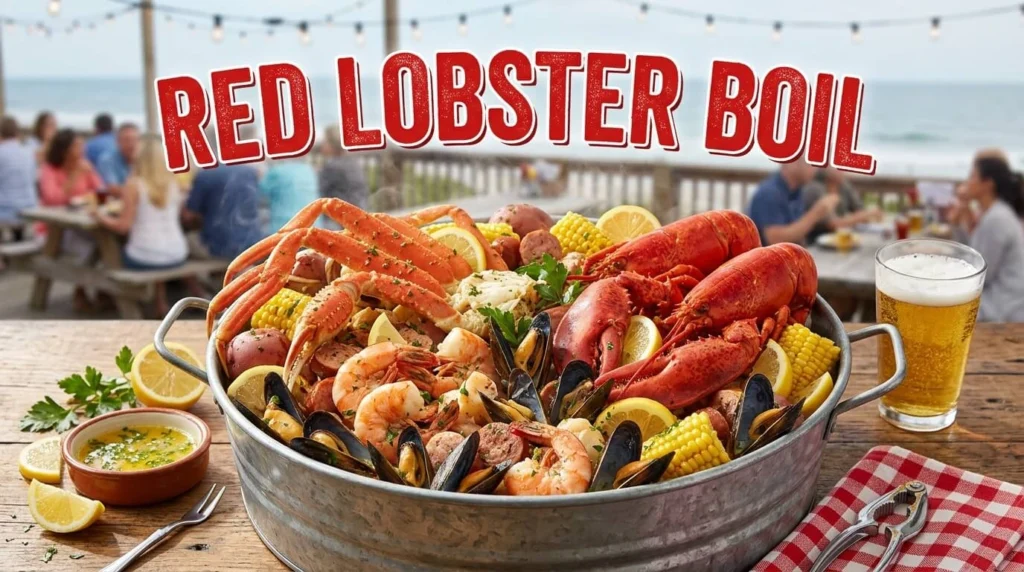
A seafood boil has a way of turning an ordinary meal into an event. Imagine a table covered with tender shrimp, sweet crab, juicy lobster, corn, potatoes, and smoky sausage, all coated in buttery seasoning. That is the appeal behind the red lobster seafood boil trend: it brings the fun, bold flavors of a restaurant-style seafood feast into your own kitchen.
Whether you are planning a family dinner, a weekend gathering, or simply craving a generous seafood platter, learning how to build this kind of meal can be surprisingly simple. You do not need complicated cooking techniques. With fresh ingredients, a flavorful broth, and the right timing, you can create a satisfying spread that feels special from the first bite.
1. What Makes a Seafood Boil So Special?
A seafood boil is more than just a recipe. It is an experience built around sharing food.
Instead of serving every ingredient separately on individual plates, everything is cooked in stages in one large pot. The result is a colorful mixture of seafood, vegetables, sausage, spices, and aromatics.
Think of it as a musical performance where every ingredient has its own part. Potatoes provide a hearty base, corn adds sweetness, sausage contributes smoky richness, while shrimp, crab, and lobster bring the star power.
That combination is what makes a seafood boil particularly appealing for gatherings.
Another attraction is its flexibility. You can make a small pot for two people or prepare a much larger batch for a party. You can make it spicy, buttery, garlicky, smoky, or mild depending on what you enjoy.
And perhaps best of all, you can put your own personality into it.
2. Understanding the Red Lobster-Style Flavor
When people search for a red lobster seafood boil, they are often looking for the rich, buttery, seasoned flavor associated with seafood restaurants.
The goal is not simply to cook seafood in water. The cooking liquid should have layers of flavor.
A good base can include:
- Old Bay-style seafood seasoning
- Garlic
- Onion
- Lemon
- Bay leaves
- Paprika
- Black pepper
- Cayenne pepper
- Salt
- Butter
- Fresh herbs
The combination creates a savory broth that flavors the ingredients while they cook.
However, there is an important difference between a seafood boil inspired by restaurant flavors and an official restaurant recipe. A homemade version should be treated as a restaurant-inspired meal, rather than presented as an exact secret recipe.
This distinction is useful because it gives you freedom. You can adjust the ingredients according to your own taste rather than trying to reproduce a commercial recipe perfectly.
3. Essential Ingredients for a Seafood Boil
The beauty of this meal is that the ingredient list can be adjusted easily.
A basic feast may include:
Seafood
- Lobster tails
- Shrimp
- Snow crab or blue crab
- Crawfish, if available
Vegetables
- Baby potatoes
- Corn on the cob
- Onion
- Garlic
- Lemon
Meat
- Smoked sausage
- Andouille sausage
- Kielbasa
Flavorings
- Seafood seasoning
- Paprika
- Cayenne
- Black pepper
- Bay leaves
- Butter
- Parsley
You do not have to use every ingredient.
If lobster is expensive or unavailable, shrimp and crab can still create an impressive meal. Likewise, you can leave out sausage if you prefer an all-seafood version.
The important thing is to balance rich, salty, sweet, spicy, and fresh flavors.
4. Choosing the Best Seafood
The quality of your seafood can make a significant difference.
Lobster
Lobster tails are convenient for a seafood boil because they are easier to portion than whole lobsters. Look for firm meat and a fresh smell.
Frozen lobster can also work well when fresh lobster is difficult to find. Thaw it safely in the refrigerator before cooking.
Shrimp
Large shrimp are particularly useful because they remain substantial after cooking. Shell-on shrimp can add extra flavor, while peeled shrimp are easier to eat.
If you buy shell-on shrimp, leaving the shells and tails intact can help protect the meat during cooking.
Crab
Crab legs are a popular choice because they require relatively little preparation. Snow crab and king crab can both work, although their cost and availability vary.
Since crab legs are often already cooked when purchased, they generally need to be heated rather than cooked for a long time.
Freshness Matters
Seafood should smell clean and fresh rather than strongly fishy. Keep it properly chilled until you are ready to cook.
When buying frozen seafood, check that the packaging is intact and avoid products showing excessive freezer damage.
5. The Secret Behind the Seasoning
Seasoning is where your seafood boil develops its personality.
A basic seasoning mixture might contain seafood seasoning, paprika, garlic powder, onion powder, black pepper, and a little cayenne.
But seasoning the cooking water is only part of the process.
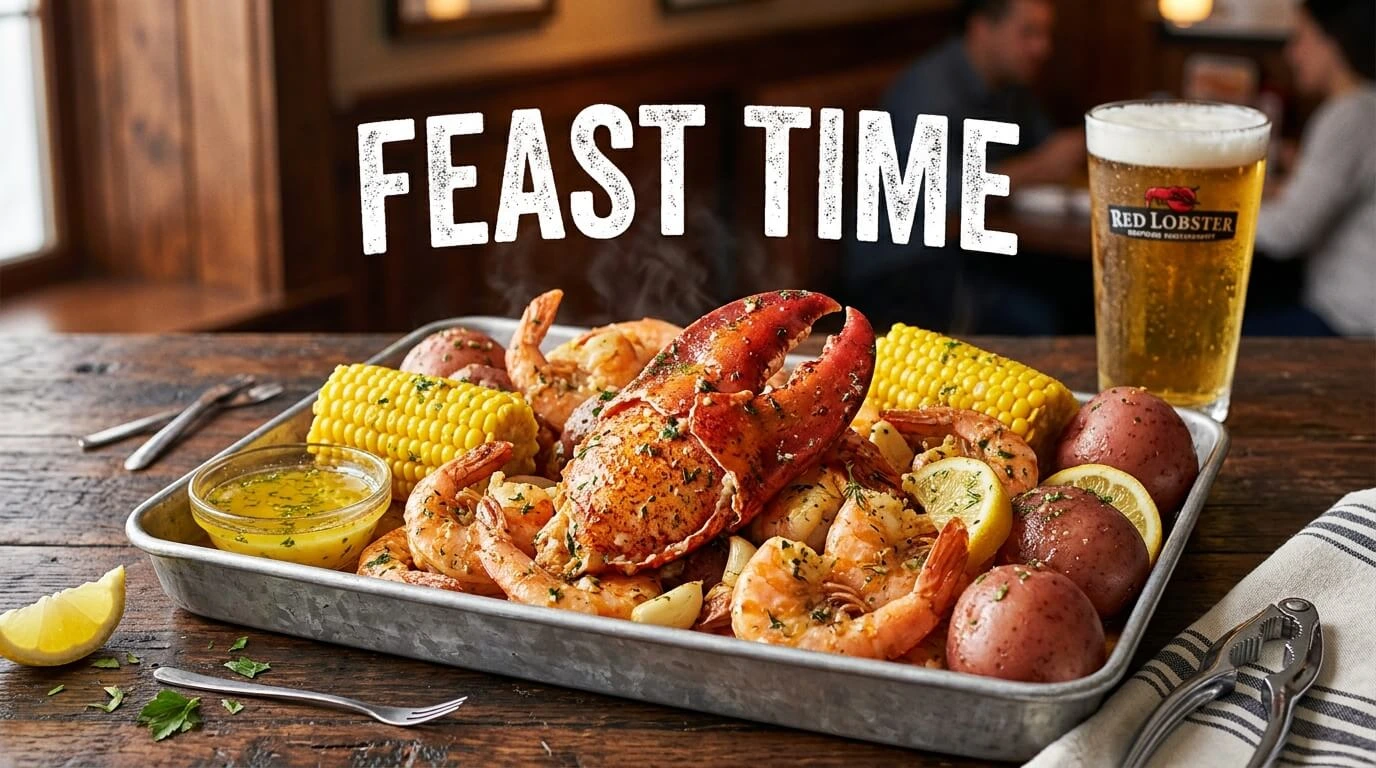
Many home cooks also finish the seafood with a garlic butter sauce.
That two-stage approach works beautifully.
The seasoned water gives the ingredients a background flavor, while the butter sauce coats the cooked seafood with a richer, more concentrated taste.
Want More Heat?
Add cayenne pepper, crushed red pepper, hot sauce, or a spicy sausage.
Prefer Mild Flavor?
Reduce the cayenne and use more garlic, lemon, parsley, and butter.
Want a Smokier Taste?
Smoked paprika and smoked sausage can add another layer.
The best seasoning is ultimately the one that makes you want another bite.
6. How to Prepare the Pot
Before cooking, prepare all your ingredients.
This is especially important because different ingredients need different cooking times.
Start by washing the potatoes and corn. Cut the corn into smaller pieces if desired. Slice the sausage into thick pieces and prepare your seafood.
Fill a large stockpot with enough water or seafood stock to comfortably cook the ingredients.
Add your aromatics and seasonings.
You can use:
- Onion
- Garlic
- Lemon halves
- Bay leaves
- Seafood seasoning
- Paprika
- Pepper
- Salt
Bring the liquid to a strong simmer.
Do not rush this stage. A well-seasoned cooking liquid gives the ingredients a flavorful foundation.
7. Step-by-Step Cooking Method
The order in which ingredients enter the pot is important.
Step 1: Cook the Potatoes
Potatoes generally require more time than seafood.
Add them first and let them simmer until they begin to become tender.
Step 2: Add the Sausage
Once the potatoes have had a head start, add the sausage.
Because smoked sausage is usually already cooked, the goal is mainly to heat it and allow its smoky flavor to mingle with the broth.
Step 3: Add the Corn
Corn usually needs less time than potatoes but more than delicate seafood.
Add it after the potatoes have started cooking.
Step 4: Add Lobster and Crab
Lobster and crab require careful timing.
Avoid cooking seafood for unnecessarily long periods because overcooked seafood can become tough or rubbery.
If your crab is already cooked, it mainly needs to be warmed through.
Step 5: Add Shrimp Last
Shrimp cook quickly.
Watch them closely. They should become opaque and firm without being excessively curled or rubbery.
Once everything is cooked, drain the pot carefully.
Now comes the fun part.
8. Making the Garlic Butter Sauce
The garlic butter sauce can completely change the character of your meal.
A simple version requires only a few ingredients.
Melt butter over low to medium heat. Add minced garlic and cook gently until fragrant. Then add seafood seasoning, paprika, lemon juice, and a little parsley.
For extra heat, add cayenne or crushed red pepper.
You can also add a small amount of the seasoned cooking liquid to loosen the sauce.
The sauce should be rich but not so salty that it overwhelms the seafood.
A Simple Flavor Formula
Try thinking about the sauce as:
Butter + garlic + seasoning + lemon + heat = rich seafood finish
The lemon is particularly useful because its acidity cuts through the richness of the butter.
It is like opening a window in a warm room—the freshness helps everything feel lighter.
9. How to Serve a Seafood Boil
Presentation is part of the experience.
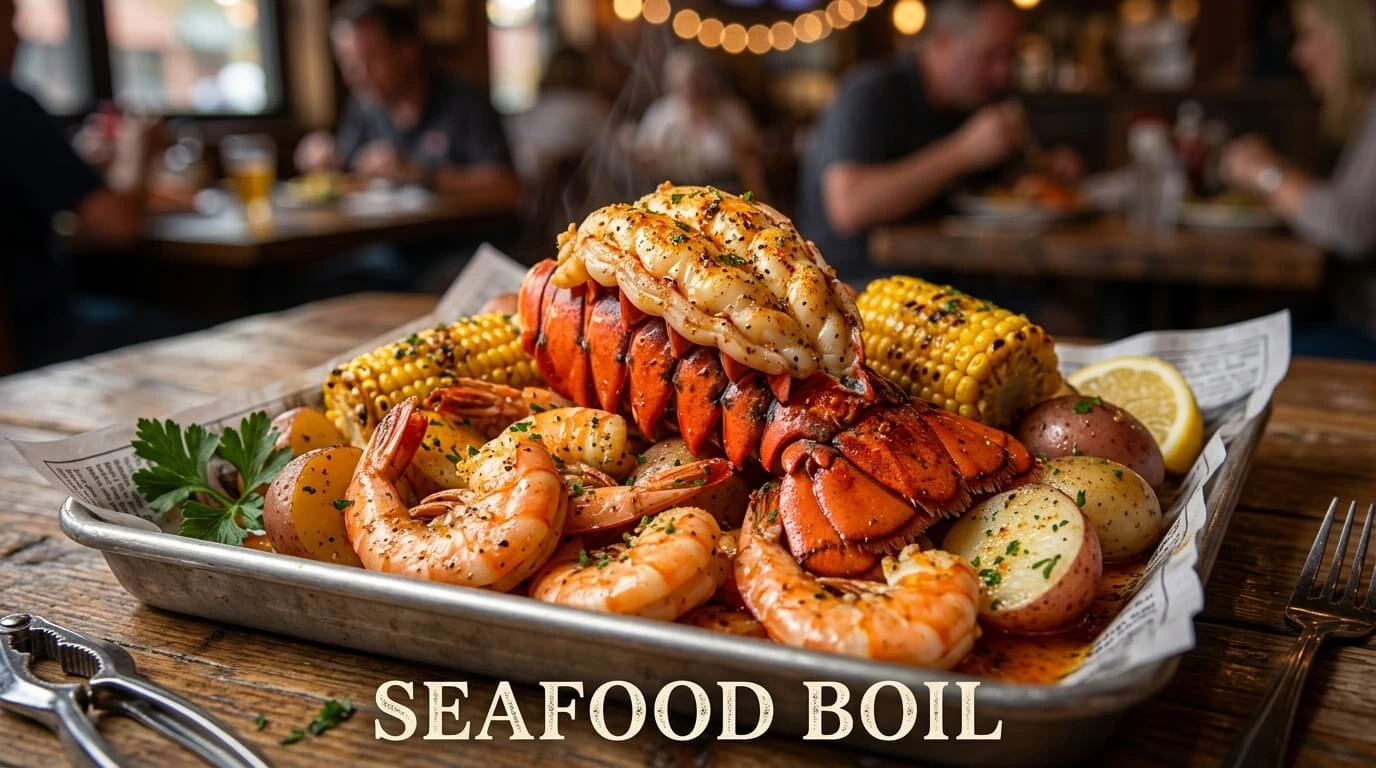
Traditionally, a seafood boil can be served directly on a large table covered with parchment paper or another suitable food-safe surface.
You can also use large serving trays if you prefer a cleaner presentation.
Arrange the seafood, potatoes, corn, and sausage together.
Then drizzle the garlic butter sauce over everything or serve it separately for dipping.
Garnish with:
- Fresh parsley
- Lemon wedges
- Extra melted butter
- Chopped green onions
Provide plenty of napkins.
Seriously—more than you think you need.
A seafood boil is delicious, but it is rarely a neat meal.
What Goes Well on the Side?
You do not need many side dishes because the boil itself is filling.
Still, simple options include:
- Coleslaw
- Green salad
- Garlic bread
- Dinner rolls
- Fresh fruit
- Lemon wedges
Keep the sides relatively light so they do not compete with the seafood.
10. Common Mistakes to Avoid
Even a simple seafood boil can go wrong if the timing is ignored.
Overcooking Seafood
This is one of the most common mistakes.
Shrimp can go from perfectly cooked to rubbery surprisingly quickly. Lobster can also become tough when exposed to excessive heat for too long.
Adding Everything at Once
Potatoes and shrimp do not cook at the same speed.
Putting everything into the pot simultaneously can leave you with soft seafood and undercooked vegetables.
Using Too Much Salt
Seafood seasoning, sausage, butter, and crab can already contain significant salt.
Taste the cooking liquid before adding additional salt.
Making the Sauce Too Heavy
Butter is delicious, but too much can hide the natural sweetness of seafood.
Balance richness with lemon juice and fresh herbs.
Ignoring Food Safety
Keep raw seafood refrigerated until preparation.
Avoid leaving cooked seafood at room temperature for extended periods, and refrigerate leftovers promptly in shallow containers.
When in doubt, follow current food-safety guidance for seafood and leftovers.
11. Easy Ways to Customize Your Feast
There is no single correct seafood boil.
That is one reason it has become so popular.
For a Spicy Boil
Use extra cayenne, hot sauce, spicy sausage, or crushed red pepper.
For a Family-Friendly Version
Keep the main pot mild and offer hot sauce separately.
This lets everyone adjust their own serving.
For a Garlic Lover
Increase the fresh garlic in the butter sauce and add roasted garlic for an even deeper flavor.
For a Lemon-Forward Boil
Use additional lemon juice and fresh lemon wedges.
For a Vegetable-Heavy Version
Add vegetables such as mushrooms, green beans, or extra corn.
For a Seafood-Only Feast
Skip the sausage and increase the amount of shrimp, crab, lobster, or other shellfish.
You can even create different combinations depending on what is available locally.
12. Leftovers, Storage, and Reheating
Seafood boils are often generous, so leftovers are possible.
Allow leftovers to cool appropriately and place them in airtight containers. Refrigerate them promptly rather than leaving them sitting on the counter.
When reheating seafood, use gentle heat.
A microwave can work for small portions, but short intervals are preferable to aggressive heating. You can also reheat seafood gently in a covered pan with a small amount of butter or broth.
Avoid repeatedly reheating the same seafood.
For the best texture, eat seafood leftovers within the recommended food-safety timeframe for cooked seafood and refrigerated leftovers.
If anything smells unusual, has changed texture significantly, or has been stored improperly, it is safer to discard it.
13. Frequently Asked Questions
What seafood is best for a seafood boil?
Shrimp, crab, lobster, and crawfish are popular choices. You can use one type of seafood or combine several varieties. Shrimp and crab are particularly practical because they are widely available and easy to prepare.
Can I make a seafood boil without lobster?
Absolutely. A satisfying seafood boil can be made with shrimp, crab, crawfish, or a combination of shellfish. Lobster is an optional ingredient rather than a requirement.
How do I keep shrimp from becoming rubbery?
Add shrimp near the end of the cooking process and watch them carefully. They cook quickly, so removing them from the heat once they are properly cooked helps preserve their tender texture.
What makes the butter sauce taste better?
Fresh garlic, seafood seasoning, lemon juice, herbs, and a controlled amount of heat can make the sauce more flavorful. Lemon is particularly helpful because it balances the richness of butter.
Can I prepare a seafood boil for a large party?
Yes. A large stockpot can be used for bigger gatherings, but it is important not to overcrowd the pot. Cooking in batches may produce better results and make it easier to control the timing of each ingredient.
14. Final Thoughts
A red lobster seafood boil is best understood as an idea rather than a rigid recipe. The heart of the meal is the combination of seafood, seasoned cooking liquid, hearty vegetables, smoky sausage, and rich garlic butter.
You can make it luxurious with lobster and premium crab, or keep it simple with shrimp, corn, and potatoes. You can make it fiery or mild, buttery or lemony.
What matters most is timing, fresh ingredients, balanced seasoning, and a little patience.
So, why not bring the seafood-boil experience into your own kitchen? Set out the lemon wedges, melt the garlic butter, invite your favorite people to the table, and prepare for a meal that is meant to be enjoyed with your hands, your appetite, and plenty of napkins.