
ntroduction
A simple spraybottle can be one of the most useful items in your home. It may look like nothing more than a container with a trigger, but it can make cleaning, gardening, personal care, and everyday household tasks much easier.
Why is such a small tool so popular? The answer is convenience. Instead of pouring a liquid directly onto a surface, you can distribute it as a fine mist or controlled stream. Think of it as a tiny watering system that fits comfortably in your hand.
Whether you need one for cleaning windows, caring for plants, refreshing fabrics, or applying homemade solutions, understanding the different options can help you make a smarter choice.
What Is a Spraybottle?
A spraybottle is a container designed to hold liquid and release it through a nozzle when pressure is applied to a trigger, pump, or other mechanism. Depending on its design, it can produce a fine mist, concentrated stream, foam, or wider spray.
These bottles come in many sizes. Small models are convenient for personal care or travel, while larger containers are better suited to household cleaning and gardening.
The main components usually include:
- Container: Holds the liquid.
- Trigger or pump: Creates pressure to move the liquid.
- Tube: Extends into the liquid inside the container.
- Nozzle: Controls how the liquid leaves the bottle.
- Cap or head: Connects the spraying mechanism to the container.
The design may be simple, but every component has a purpose. A poorly made nozzle, for example, can make an otherwise useful bottle frustrating to operate.
How Does a Spraybottle Work?
The basic principle is surprisingly straightforward.
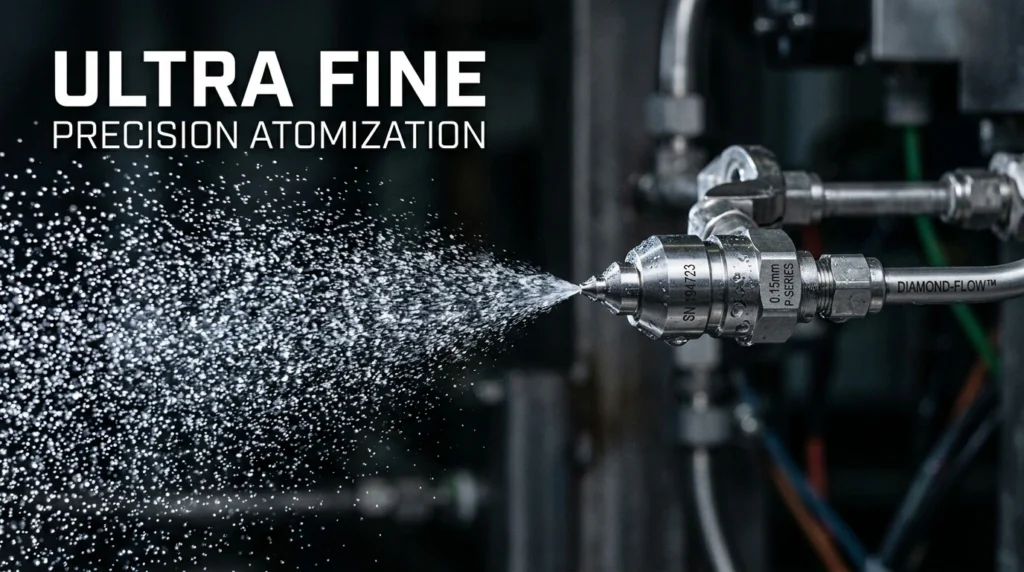
When you squeeze the trigger, a small pump mechanism creates pressure. That pressure draws liquid upward through the tube and pushes it toward the nozzle. The nozzle then breaks the liquid into droplets or directs it into a stream.
Some models allow you to change the spray pattern. Turn the nozzle one way and you might get a fine mist. Adjust it again and the output can become a stronger stream.
Why does this matter?
Different jobs require different amounts of liquid. A delicate houseplant may benefit from a gentle mist, while cleaning a stubborn mark might require a more concentrated spray.
This flexibility is one reason these bottles have remained popular despite the availability of many specialized cleaning and gardening products.
Common Types of Spraybottles
Not every bottle is designed for the same purpose. Understanding the major types makes shopping much easier.
Fine-mist bottles
These produce tiny droplets and are commonly used for plants, hair, facial products, and light household applications.
Trigger bottles
Trigger models are among the most common. They usually provide more spraying power and are useful for cleaning solutions, gardening products, and general household tasks.
Continuous-spray bottles
These are designed to provide a longer, more consistent spray after the trigger is activated. They can be convenient when covering a larger area.
Foaming bottles
Foaming models mix liquid with air to create foam. They are often used for certain cleaning products and hand-care applications.
Heavy-duty bottles
These are made for frequent use and may have stronger components, thicker walls, and chemical-resistant materials.
Choosing the right design is similar to choosing the right shoe: the best option depends on where and how you plan to use it.
Household Cleaning Uses
One of the most common applications is household cleaning.
A bottle can help distribute cleaning solutions evenly across countertops, mirrors, windows, tiles, and other surfaces. Instead of pouring a large amount of liquid, you can apply a controlled quantity exactly where it is needed.
Popular cleaning applications include:
- Glass and mirror cleaning
- Kitchen surface cleaning
- Bathroom maintenance
- Dust removal
- Fabric refreshing
- Light stain treatment
- Applying homemade cleaning mixtures
A controlled spray can also help reduce waste. You only use what the surface requires rather than accidentally pouring too much.
However, always check that the container is suitable for the particular solution. Some chemicals can damage plastic, seals, or internal pump components.
Gardening and Plant Care
Gardeners have another excellent reason to keep one nearby.
A fine mist can be useful when caring for certain plants, especially seedlings and plants that benefit from gentle moisture. It can also help distribute water over a small area without disturbing delicate soil.
Common gardening uses include:
- Lightly misting indoor plants
- Moistening seedlings
- Applying suitable plant-care solutions
- Cleaning plant leaves
- Increasing local humidity around appropriate plants
That said, not every plant needs frequent misting. Some prefer dry conditions, while others require watering at the roots rather than on their leaves.
The bottle is a tool, not a replacement for understanding your plants’ needs.
If you use gardening chemicals, keep the container clearly labeled and separate from bottles used for household or personal purposes.
Beauty and Personal Care
Spray bottles can also be useful for personal care routines.
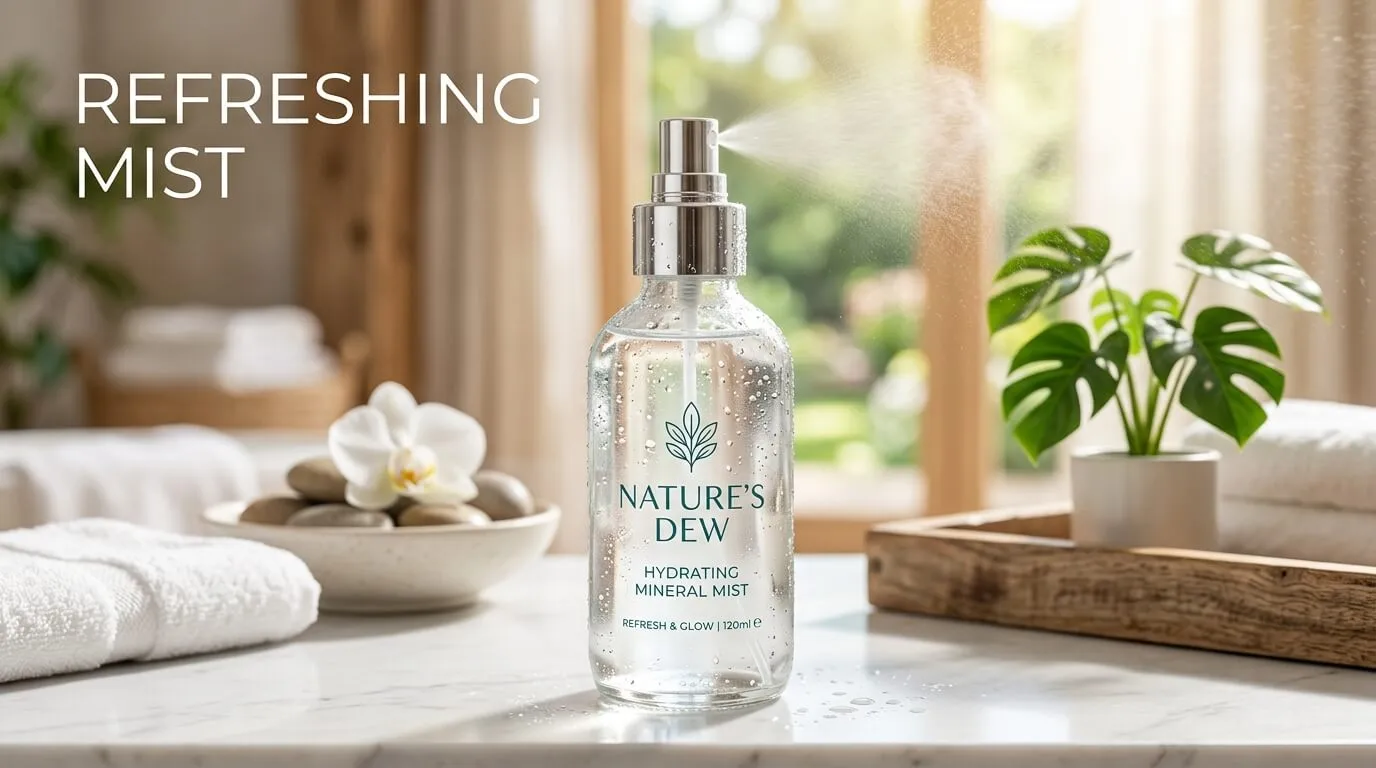
For example, a fine mist can help distribute water or suitable hair-care mixtures more evenly through the hair. Some people also use small containers for refreshing their hair between styling sessions.
Other applications may include:
- Hair moisturizing
- Applying water during styling
- Light fabric or clothing refreshment
- Certain cosmetic preparations
- Travel-sized personal-care products
For personal use, hygiene is especially important. A bottle should be cleaned regularly, and products should be stored according to their instructions.
Never assume that a container is suitable for a cosmetic or skin-care mixture simply because it works for water. The material, cleanliness, and compatibility of the bottle all matter.
Choosing the Right Bottle
With so many choices available, how do you decide which one is best?
Start with the job you want it to perform.
If you need a bottle for delicate plants, a fine mist may be ideal. For cleaning, a trigger model with adjustable spray may be more practical. For travel, a compact design could be more convenient.
Consider these factors before buying:
Capacity: Choose a size that matches your normal usage. A larger bottle means fewer refills, but it may become heavy when full.
Grip: A comfortable trigger can make a major difference if you spray frequently.
Nozzle: Look for an adjustable nozzle if you need different spray patterns.
Material: Select a material appropriate for the liquids you intend to store.
Leak resistance: A secure connection between the bottle and spray head can prevent messy spills.
Durability: If the bottle will be used regularly, stronger construction can provide better long-term value.
The cheapest option isn’t always the best bargain. A bottle that leaks or stops working after a short period can cost more in the long run.
Materials and Durability
The material of the container affects its weight, durability, appearance, and suitability for different liquids.
Plastic
Plastic bottles are popular because they are lightweight, affordable, and available in many designs. However, not all plastics have the same chemical resistance or durability.
Glass
Glass can provide a premium appearance and may be suitable for certain applications. It is heavier and can break if dropped, so it may not be ideal for every environment.
Specialized materials
Some heavy-duty bottles use materials designed to withstand particular chemicals or demanding conditions. Always check manufacturer guidance when storing anything other than ordinary water.
Why does durability matter?
A bottle used once a month has very different requirements from one used several times a day. Frequent use puts more stress on the trigger, seals, tube, and nozzle.
Nozzle Settings and Spray Patterns
The nozzle is one of the most important parts of the design.
A fine mist spreads small droplets across an area. A stream delivers liquid more directly. Some models offer several settings between these two extremes.
Fine mist: Useful for gentle coverage.
Medium spray: Provides broader coverage with somewhat larger droplets.
Stream: Useful when you need more concentrated application.
Foam: Available on specially designed models and useful for certain compatible solutions.
Adjustability makes one bottle more versatile because you don’t need a different container for every task.
If the spray suddenly becomes uneven, don’t immediately assume the pump has failed. The nozzle may simply be clogged.
Cleaning and Maintaining Your Bottle
Regular maintenance can extend the life of your bottle and keep it hygienic.
Start by emptying any remaining liquid. Rinse the container with appropriate water and clean the spray head according to the manufacturer’s recommendations.
Basic maintenance steps include:
- Empty the bottle after appropriate use.
- Rinse the container.
- Clean the nozzle if residue has accumulated.
- Check the tube for blockage.
- Inspect the trigger and connections.
- Allow washable components to dry properly.
- Reassemble everything securely.
Avoid leaving old mixtures sitting inside for long periods unless the product instructions specifically allow storage.
A clogged nozzle can sometimes be caused by dried residue. Cleaning it early is usually easier than trying to remove a thick buildup later.
Safety Tips for Everyday Use
Although a spraybottle looks harmless, its contents determine how carefully it should be handled.
Never assume that every liquid is safe to spray.
Read product instructions before transferring a solution into another container. Some substances can irritate the skin, damage surfaces, or produce harmful vapors when dispersed.
Important safety habits include:
- Label bottles containing homemade or transferred solutions.
- Keep unsuitable chemicals away from children and pets.
- Never reuse a chemical container for food or drink.
- Avoid mixing cleaning chemicals unless the product instructions specifically say it is safe.
- Use appropriate ventilation when required.
- Store chemical solutions according to their instructions.
- Don’t spray unknown substances onto delicate surfaces.
A clearly labeled bottle is much safer than an anonymous container whose contents you can no longer identify.
Eco-Friendly and Reusable Options
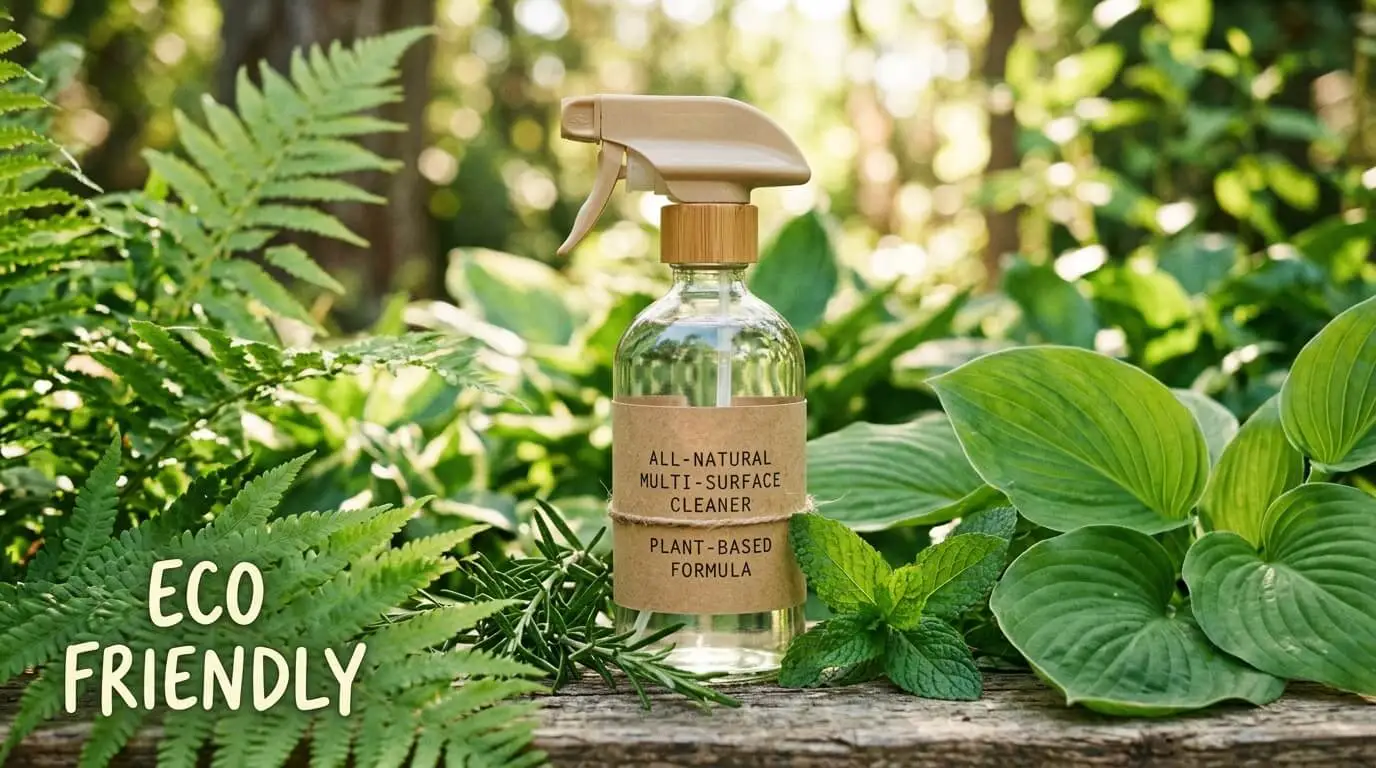
Reusable bottles can be a practical choice for reducing disposable packaging.
Instead of purchasing a new container every time you need a particular compatible solution, a durable reusable bottle can serve you repeatedly.
Potential advantages include:
- Less packaging waste
- Long-term usability
- Easy refilling
- Reduced need for disposable containers
- Greater control over household organization
However, reusable doesn’t automatically mean environmentally perfect. Manufacturing, transportation, cleaning, and eventual disposal all have environmental costs.
The best approach is usually to choose a durable product, use it for a long time, maintain it properly, and dispose of it responsibly when it reaches the end of its useful life.
Common Mistakes to Avoid
Even a simple household tool can be misused.
One common mistake is filling a bottle with a liquid without checking material compatibility. Another is leaving residue inside the container until the nozzle becomes blocked.
Other mistakes include:
Using the wrong spray pattern: A strong stream may damage delicate surfaces or plants.
Overfilling: Leaving appropriate space can help the pump work properly and reduce leakage.
Ignoring leaks: A small leak can become a larger problem over time.
Skipping cleaning: Residue can affect the nozzle and create unpleasant buildup.
Using unlabeled containers: This can lead to dangerous confusion.
Storing unsuitable mixtures: Some solutions may degrade or change over time.
Taking a few seconds to read the bottle’s instructions can save you considerable trouble later.
Final Thoughts
A good spraybottle is a small investment that can simplify surprisingly many everyday tasks. From household cleaning and plant care to personal routines, the right design gives you better control over how a liquid is applied.
The key is not simply buying the largest or cheapest option. Think about capacity, material, nozzle style, durability, compatibility, and intended use.
When you choose carefully and maintain the bottle properly, this humble household tool can become one of the most useful items in your cleaning cupboard, garden area, or personal-care kit.
Frequently Asked Questions
1. What is a spraybottle commonly used for?
A spraybottle can be used for household cleaning, plant care, fabric refreshing, hair styling, and other applications where a controlled amount of liquid needs to be distributed.
2. Can I put any liquid into a spraybottle?
No. The liquid should be compatible with both the bottle material and its spraying mechanism. Always check the manufacturer’s guidance and the liquid’s instructions before transferring it.
3. Why is my spraybottle not spraying properly?
A blocked nozzle, damaged pump, loose connection, empty container, or clogged tube can prevent proper spraying. Cleaning the nozzle and checking the components may solve the problem.
4. How often should I clean a reusable spraybottle?
It depends on what you use it for. Bottles containing solutions that leave residue should generally be cleaned regularly, while water-only bottles may require less frequent deep cleaning.
5. Is a reusable spraybottle better than a disposable one?
A durable reusable bottle can reduce packaging waste and provide long-term convenience. Its overall environmental benefit depends on how long you use it, how it is maintained, and how it is eventually disposed of.