
Why Choosing the Right Baby Clothes Matters?
Baby clothing is about much more than appearance. A cute outfit may look perfect in a photograph, but if it is uncomfortable, difficult to put on, or made from irritating material, your baby may not enjoy wearing it.
Young children have delicate skin, so parents usually prioritize softness, comfort, breathability, and ease of movement. Clothes should allow babies to kick, crawl, stretch, and sleep without feeling restricted.
Another important factor is convenience. Babies can make surprisingly quick wardrobe changes necessary. A feeding session, spilled drink, diaper accident, or outdoor activity can mean that an outfit needs to be replaced.
For this reason, practical clothing is often more valuable than clothing that only looks attractive.
When considering TheSpark Shop kids clothing, parents should therefore look at the complete picture: design, fabric, size, construction, ease of dressing, and suitability for the child’s age.
Understanding Baby Clothing Needs
Every baby is different. Some children prefer loose-fitting clothes, while others are comfortable in more fitted designs. A baby’s age and development stage can also influence what type of clothing works best.
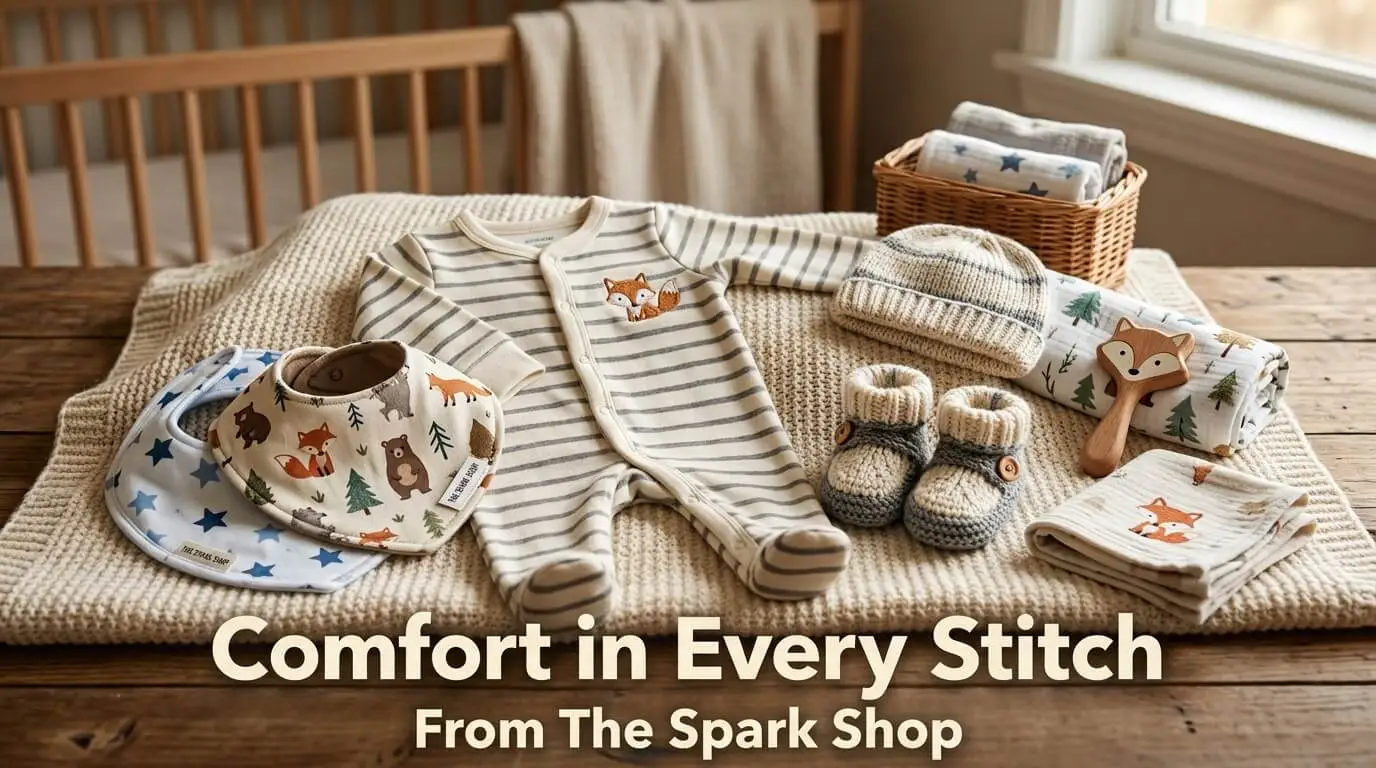
Newborns generally need simple outfits that make changing easier. Parents may appreciate bodysuits, sleepsuits, soft tops, and comfortable bottoms.
As babies become more active, clothing needs can change. Crawling babies may benefit from flexible outfits that do not interfere with movement. Toddlers often need clothing that can handle playtime, outdoor activities, and frequent washing.
Key clothing needs include:
- Soft materials that feel gentle against the skin.
- Comfortable fits that allow natural movement.
- Easy openings for quick changing.
- Durable stitching for regular use.
- Simple washing requirements for busy parents.
- Season-appropriate fabrics to help children stay comfortable.
Parents should also remember that babies do not need an enormous wardrobe. A smaller collection of versatile clothing can often be more useful than a closet full of rarely worn outfits.
TheSpark Shop Clothing Options for Baby Boys
When shopping for a baby boy, parents can choose from many traditional and modern styles. Depending on the child’s age, the wardrobe might include bodysuits, T-shirts, shorts, trousers, rompers, sleepwear, jackets, and coordinated sets.
For everyday use, simple designs can be especially practical. A comfortable top paired with soft bottoms may work for playing at home, visiting relatives, or going outside.
Popular options for baby boys may include:
- Comfortable cotton tops
- Baby rompers
- Matching shirt and trouser sets
- Soft shorts
- Casual T-shirts
- Lightweight jackets
- Sleepwear
- Festive outfits
Color choices are no longer limited to traditional blue. Parents can explore neutral shades, green, yellow, beige, white, orange, and many other colors.
The most important consideration is not whether an outfit follows a traditional style but whether it suits the child’s comfort and the occasion.
For active babies, flexible clothing can be particularly useful. Loose but secure clothing allows movement while avoiding unnecessary bulk.
TheSpark Shop Clothing Options for Baby Girls
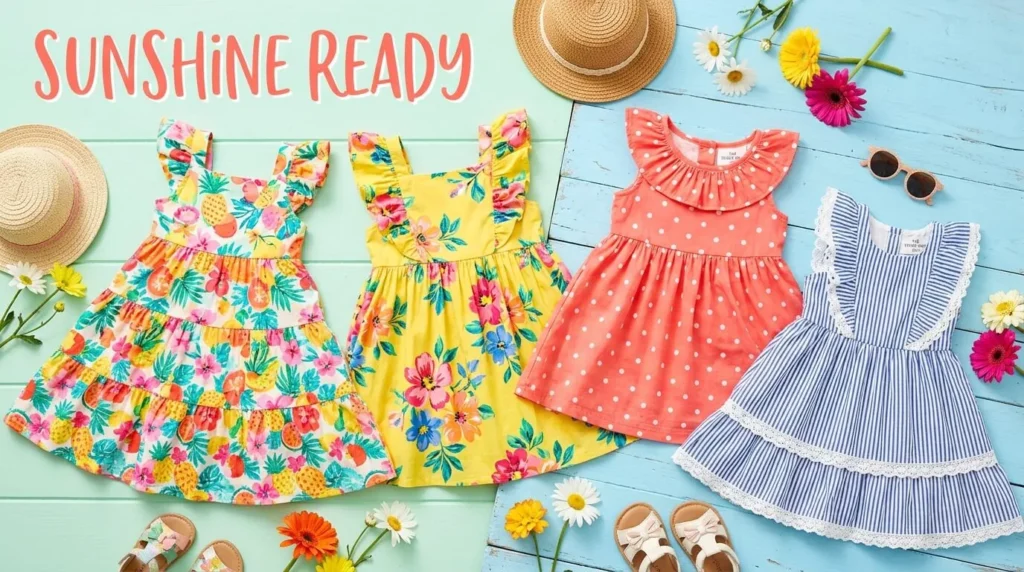
Baby girls can have equally varied wardrobes. Parents may choose dresses, rompers, tops, leggings, skirts, comfortable sets, sleepwear, and seasonal outerwear.
Dresses can be attractive for family gatherings or celebrations, while simple tops and leggings may be better suited to everyday activities.
Useful clothing choices for baby girls include:
- Cotton dresses
- Baby rompers
- Comfortable leggings
- Soft tops
- Matching outfit sets
- Skirts with comfortable waistbands
- Sleepwear
- Seasonal jackets
Parents should avoid choosing an outfit solely because it looks attractive. Decorative elements should not make clothing uncomfortable or difficult to wear.
For babies who are constantly moving, simple designs are often easier to manage. A comfortable romper or two-piece set can provide freedom of movement without requiring complicated adjustments.
Unisex Clothing for Babies
Many parents prefer gender-neutral clothing because it offers flexibility. Unisex pieces can also be useful when parents want clothing that can be passed between siblings.
Neutral designs can include simple rompers, bodysuits, T-shirts, pajamas, sweatshirts, and soft trousers.
Neutral colors such as white, cream, grey, beige, yellow, and green can work well across different styles.
There is also a practical advantage to unisex clothing. If a family plans to have more than one child, versatile pieces may remain useful for future wardrobes.
However, gender-neutral clothing does not have to be boring. Fun prints, animals, stars, vehicles, flowers, cartoon-inspired designs, and playful patterns can make simple outfits visually appealing.
Choosing Comfortable Fabrics
Fabric is one of the most important things to consider when buying baby clothes.
Babies can be sensitive to rough textures, so parents often look for materials that feel smooth and comfortable. Cotton is a popular choice because it is commonly associated with softness and breathability.
Before buying clothing, check:
- Fabric composition
- Texture
- Stitching
- Seams
- Labels
- Buttons and fasteners
- Washing instructions
For warm weather, lightweight and breathable materials may be more comfortable. During colder months, parents may choose layered clothing rather than relying on one very heavy garment.
Layering is similar to building a sandwich: instead of putting everything into one thick layer, you can add or remove pieces depending on the temperature.
Soft inner clothing can be combined with warmer outer layers when needed.
Finding the Right Baby Clothing Size
One of the biggest challenges in baby shopping is choosing the correct size.
Baby clothing sizes often relate to age, but age should not be treated as a perfect measurement. Two babies of the same age can have very different heights and body shapes.
Parents should check the specific size chart provided by the seller whenever one is available.
A slightly roomy outfit can sometimes be practical because babies grow quickly. However, clothing should not be excessively loose, as oversized garments may become inconvenient or potentially unsafe.
When checking size, consider:
- Baby’s height
- Baby’s weight
- Chest measurement
- Waist measurement
- Garment length
- Expected growth
- Type of clothing
For newborns, having a mixture of sizes can be sensible because babies can grow out of their earliest clothing surprisingly fast.
Avoid buying too many outfits in one size before knowing how quickly your baby grows.
Clothes for Different Seasons
A baby’s clothing requirements change throughout the year.
Summer Clothing
Hot weather generally calls for lightweight outfits. Breathable tops, shorts, rompers, and dresses can be useful depending on the child’s age and environment.
Parents should focus on comfort and avoid unnecessarily heavy layers.
Winter Clothing
Cold weather may require multiple layers. Parents can consider warm tops, trousers, sweaters, jackets, socks, and other suitable seasonal pieces.
Rather than choosing one extremely thick garment, layering can make it easier to adjust clothing as indoor and outdoor temperatures change.
Spring and Autumn
These seasons can bring changing temperatures throughout the day. Light layers can be particularly useful because parents can add or remove clothing when conditions change.
The key principle is simple: dress the child according to the actual weather and environment rather than the calendar alone.
Everyday Outfits vs Special Occasion Wear
A useful baby wardrobe should contain both everyday clothing and a few special outfits.
Everyday clothing needs to be practical. Parents may want pieces that can withstand frequent washing and regular movement.
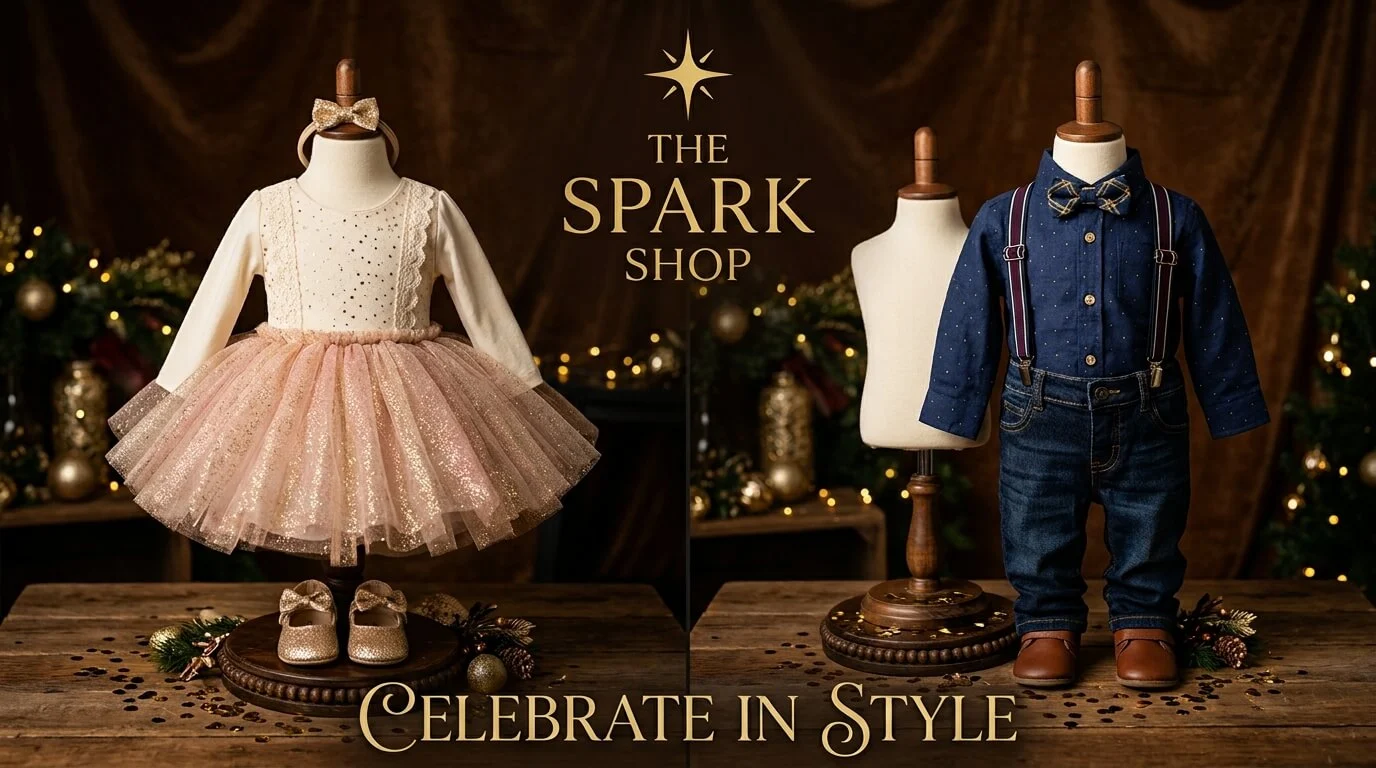
Special occasion clothing can be more decorative. Families may choose attractive dresses, coordinated sets, traditional outfits, or smart clothing for birthdays, weddings, festivals, and family photographs.
For everyday wear, prioritize:
- Comfort
- Easy changing
- Durability
- Simple washing
- Flexible movement
For special occasions, parents may prioritize:
- Design
- Color
- Matching accessories
- Decorative details
- Formal appearance
The important thing is balance. A wardrobe filled entirely with formal clothing may look beautiful but could be inconvenient for everyday life.
Safety and Practical Features to Look For
Baby clothing should be comfortable, but safety deserves equal attention.
Parents should examine decorative elements carefully. Small detachable pieces, loose embellishments, or poorly secured accessories may not be appropriate for babies.
Look for secure construction and practical designs.
Closures should be easy for parents to use while remaining secure during normal activity. Seams should be comfortable, and clothing should not restrict movement.
Parents should also consider how easy an outfit is to remove during diaper changes.
A beautiful outfit that takes several minutes to remove may become frustrating after the tenth diaper change of the day!
Practical features such as snap closures, elastic waistbands, and easy-access designs can save parents considerable time.
Always follow the manufacturer’s care and safety instructions and use age-appropriate clothing.
How to Build a Useful Baby Wardrobe
You do not need hundreds of garments to create a good baby wardrobe.
Instead, start with versatile basics and gradually add items as you understand your child’s routine.
A basic wardrobe might include:
- Several everyday tops
- Comfortable bottoms
- Bodysuits or rompers
- Sleepwear
- Socks
- Seasonal outerwear
- A few special outfits
- Easy-to-layer pieces
The exact number depends on how frequently you wash clothes and how often your baby needs outfit changes.
Choose versatility over quantity.
For example, a neutral pair of comfortable trousers may work with several tops. A simple romper can be used at home, while a jacket can transform the same basic outfit for an outdoor trip.
Parents should also avoid buying large quantities before understanding their child’s preferences. Some babies may prefer certain fabrics or clothing styles.
Shopping Tips for Parents
Shopping online can save time, but parents should still inspect product information carefully.
Before purchasing, check the available product details, size information, fabric description, washing instructions, and return policy.
A simple shopping checklist can help:
- Check the size chart.
- Read the fabric information.
- Consider the season.
- Think about how often the outfit will be used.
- Check washing instructions.
- Look at product photographs carefully.
- Review available return or exchange information.
- Avoid buying excessive quantities in one size.
Parents should also compare practical value rather than simply choosing the cheapest option.
An inexpensive outfit that becomes uncomfortable after one wash may not provide better value than a slightly more durable garment that can be worn repeatedly.
If you are purchasing from an online marketplace or unfamiliar retailer, verify the seller information and product details before completing an order.
Care and Maintenance of Baby Clothes
Baby clothes usually require regular washing, so easy maintenance matters.
Always follow the washing instructions attached to the garment. Different fabrics may require different temperatures or washing methods.
Helpful care habits include:
- Separate heavily soiled garments when necessary.
- Follow the recommended washing temperature.
- Avoid excessive detergent.
- Check closures before washing.
- Dry garments according to their care instructions.
- Inspect clothing regularly for loose stitching or damaged fasteners.
Proper care can help extend the useful life of children’s clothing.
It is also a good idea to check garments as children grow. If clothing becomes too tight, uncomfortable, or restrictive, replace it with the next appropriate size.
Parents can keep better-used clothing organized by size and season. This makes it easier to find the right outfit quickly, especially when mornings are busy.
Final Thoughts
Choosing TheSpark Shop kids clothes for baby boy & girl is ultimately about finding a balance between appearance, comfort, practicality, and value. Babies need clothing that allows them to move, sleep, play, and explore comfortably.
Whether you are shopping for a baby boy, baby girl, or choosing unisex clothing, focus on soft fabrics, suitable sizing, practical designs, seasonal needs, and safe construction.
A good baby wardrobe does not have to be enormous. With carefully selected basics and a few attractive outfits for special moments, parents can create a collection that is both useful and enjoyable.
Frequently Asked Questions
1. What types of clothes are suitable for baby boys and girls?
Comfortable bodysuits, rompers, tops, trousers, dresses, leggings, sleepwear, and seasonal outerwear can all be useful. The best choice depends on the baby’s age, activity, weather, and individual comfort.
2. What fabric is generally comfortable for baby clothing?
Soft and breathable materials are commonly preferred for baby clothing. Cotton is a popular choice, but parents should always check the actual fabric composition and consider their child’s individual sensitivity.
3. How do I choose the correct baby clothing size?
Use the seller’s size chart whenever possible and compare it with your baby’s height, weight, and measurements. Since babies grow quickly, avoid buying too many pieces in a single size.
4. Should I buy more everyday clothes or special occasion outfits?
Most babies benefit from having more everyday clothing because these garments are used frequently. A smaller selection of special occasion outfits can then be added for birthdays, celebrations, family events, and photographs.
5. What should I check before buying kids clothes online?
Check the size chart, fabric information, product details, care instructions, seller information, and return or exchange policy. These details can help you make a more informed purchase and reduce the chance of choosing an unsuitable item.