
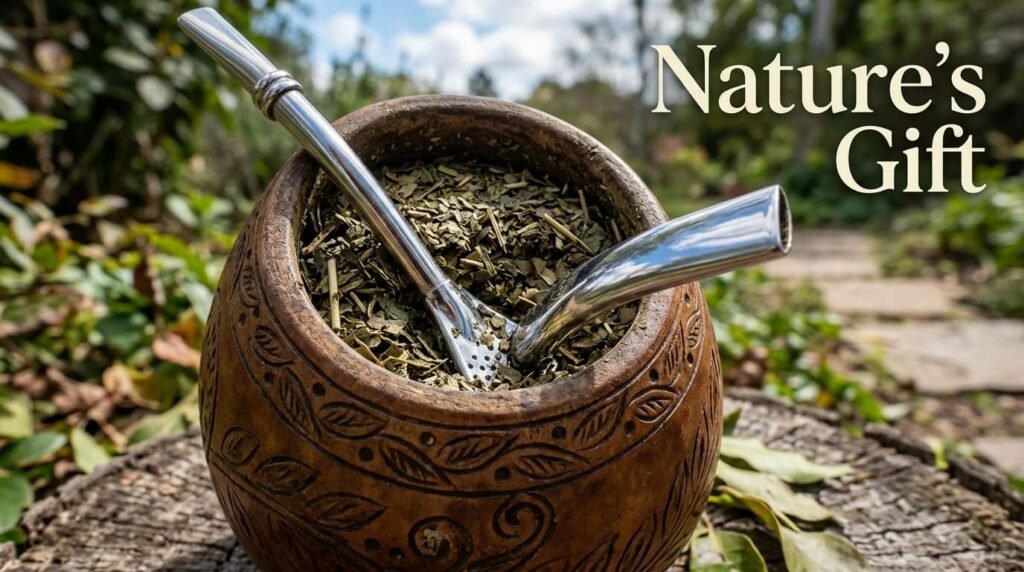
Picture a bar in Buenos Aires, a park in Montevideo, an office in São Paulo. Somewhere in the scene, someone is holding a small gourd and sipping through a metal straw, and passing it to the person next to them. That’s mate, and for millions of people it’s part of daily life.
If you’ve been curious about it but never knew where to start, this guide is for you. You’ll learn what mate is, how it tastes, how it compares with coffee, what the science says about its benefits and risks, and how to brew your first cup without the bitter, soggy disaster most beginners make.
What Is Mate?
Mate (pronounced “MAH-tay”) is a traditional South American drink made by steeping the dried leaves of the yerba mate plant (Ilex paraguariensis) in hot water. It’s caffeinated, earthy, and slightly bitter, and it’s most popular in Argentina, Uruguay, Paraguay, and southern Brazil.
The word “mate” can mean the drink, the plant, or the cup it’s served in. That confuses newcomers, but it’s simple once you know it.
Indigenous Guaraní communities were drinking mate long before Europeans arrived, and the tradition has survived for centuries. Today it’s about more than caffeine. Sharing mate is a social ritual that signals friendship and trust.
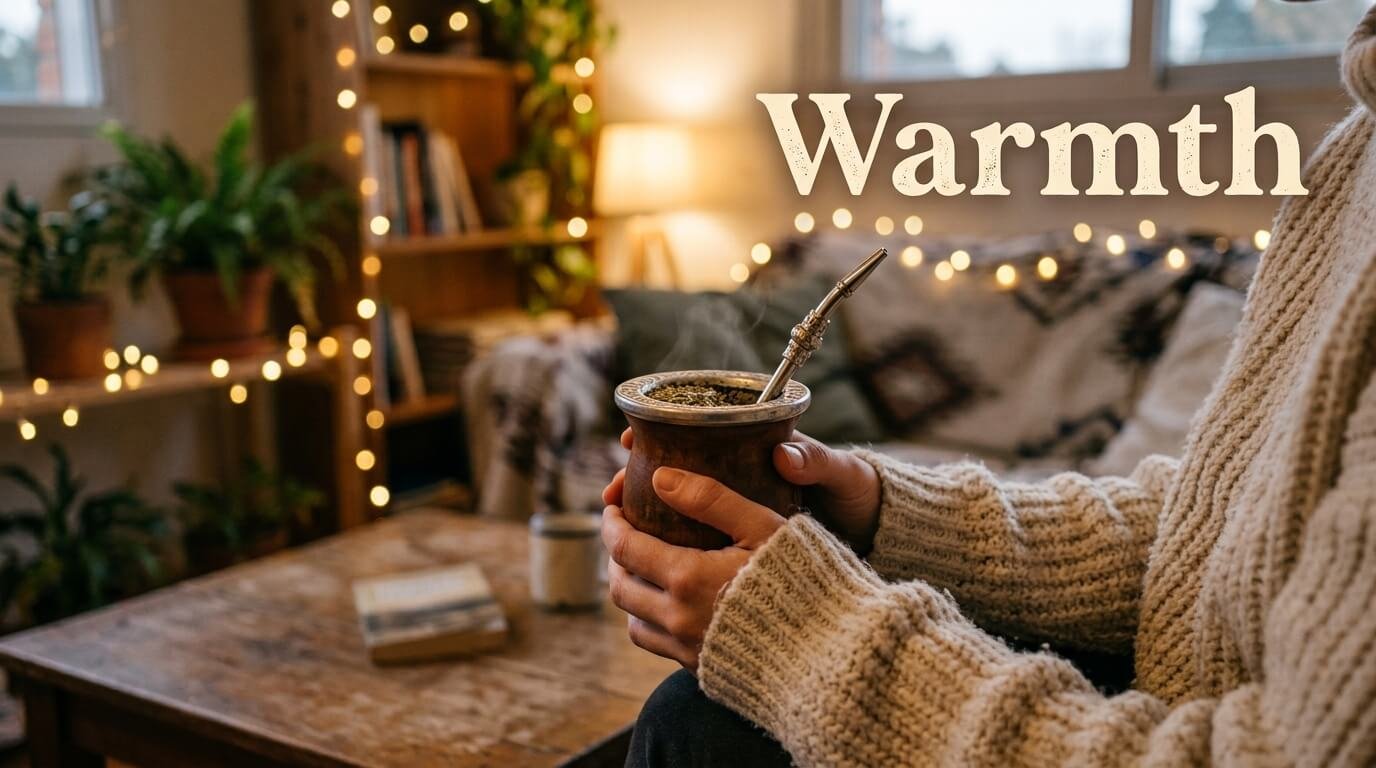
What Does Mate Taste Like?
Expect something between green tea and strong herbal tea. Traditional mate tastes grassy, a bit smoky, and noticeably bitter. Some people describe a hint of tobacco or fresh-cut hay.
It’s an acquired taste. If your first sip feels harsh, that doesn’t mean you’ll never enjoy it. Water that’s too hot is the usual culprit, and we’ll fix that in the brewing section.
Flavour varies by type:
- Traditional (with stems): Milder, smoother, and more common in Argentina.
- Despalada (leaf-heavy): Stronger and greener, popular in Uruguay.
- Tereré: Mate served ice cold, often with lemon or mint. It’s a good starting point in summer.
- Flavoured mate: Blends with citrus, mint, or herbs, which soften the bitterness.
Mate vs Coffee: How Much Caffeine Does It Have?
A typical cup of mate has roughly 80 mg of caffeine, though this changes with how much leaf you use and how long you steep it. That puts mate between green tea and a standard cup of coffee, which usually has 95 mg or more.
| Drink | Approx. caffeine (per cup) |
|---|---|
| Brewed coffee | 95–150 mg |
| Mate | ~80 mg |
| Black tea | 40–70 mg |
| Green tea | 25–45 mg |
The caffeine numbers tell only part of the story. Many people say mate gives a steadier, calmer lift than coffee, with fewer jitters and less of a crash. That’s an experience people report, not something proven in studies, and it varies from person to person. Mate also contains theobromine and theophylline, compounds related to caffeine that may play a part.
Health Benefits of Mate: What the Evidence Says
You’ll find bold claims online, so here’s a grounded look.
What’s reasonably supported:
- Antioxidants: Mate is rich in polyphenols, including chlorogenic acid, which is also found in coffee.
- Alertness and focus: The caffeine content works as you’d expect.
- Possible metabolic effects: Some small studies suggest mate may support cholesterol and blood sugar management, but the research is limited and shouldn’t replace medical advice.
What’s overhyped: Mate won’t melt fat or cure disease. Anyone promising that is selling something.
Are There Any Risks?
Yes, and they’re worth knowing. In 2016 the International Agency for Research on Cancer (part of the World Health Organization) classified very hot beverages, including mate drunk above roughly 65°C (149°F), as probably carcinogenic to humans, linked to oesophageal cancer. The concern is mostly about temperature, not the plant itself. Drinking mate warm rather than scalding is a sensible habit.
Other points to keep in mind:
- Too much caffeine can cause anxiety, poor sleep, or a racing heart.
- If you’re pregnant, have a heart condition, or take medication, check with your doctor first.
What You Need to Prepare Traditional Mate
You don’t need much, but the right tools make a real difference.
- The gourd (also called a mate): Traditionally made from a hollowed calabash. Wood, ceramic, and stainless steel versions also work.
- The bombilla: A metal straw with a built-in filter at the bottom, so you sip the liquid and leave the leaves.
- Yerba mate leaves: Choose a reputable brand, ideally one with clear origin information.
- A kettle: A thermometer helps, but isn’t essential.

How to Brew Mate Step by Step
Here’s the classic method. It takes a few minutes of practice, but you’ll get the hang of it quickly.
Step 1: Fill the gourd. Add yerba until it’s about two-thirds full.
Step 2: Shake and tilt. Cover the opening with your palm, turn the gourd upside down, and shake gently. This lets fine dust settle at the top. Then tilt the gourd so the leaves pile up on one side, leaving a small hollow.
Step 3: Add a little cool water. Pour a bit of room-temperature water into the hollow and let it soak in. This protects the leaves from bitterness.
Step 4: Insert the bombilla. Push it into the hollow, with the filter end against the bottom of the gourd.
Step 5: Add hot water. Aim for about 70–80°C (160–175°F). Boiling water burns the leaves and gives you a harsh drink. Pour slowly against the bombilla, not over the leaves.
Step 6: Sip and refill. Finish the first serving, then top up with hot water. One fill of yerba can give you a dozen or more refills before it loses flavour.
Quick Tip: Don’t Stir the Bombilla
One golden rule in mate culture: leave the straw alone. Moving it clogs the filter and disturbs the leaf layout that keeps your drink smooth.
Common Mistakes Beginners Make
- Using boiling water. The number one reason first-timers hate mate.
- Skipping the tilt. Without it, you’ll get a soggy, uneven brew that turns bitter fast.
- Buying the wrong grind. Very fine, dusty yerba blocks the bombilla. Look for a coarser cut.
- Giving up too early. Your first few gourds may taste strange. Try a different brand or a flavoured blend before deciding it isn’t for you.
How to Enjoy Mate Like a Local
In South America, mate is rarely a solo activity. One person, called the cebador, prepares and pours for the group, and the gourd is passed around in a circle. Saying “gracias” means you’re finished, so don’t say it if you want another round.
Try it with friends or coworkers, and you’ll see why the ritual has lasted for centuries. It slows the day down in a way a takeaway coffee doesn’t.
Frequently Asked Questions About Mate
Is mate better than coffee?
Neither is universally better. Mate has a bit less caffeine and a different flavour, and many people find it gentler. Coffee is stronger and more familiar. Choose the one that suits your body and taste.
Can I drink mate every day?
Most healthy adults tolerate one to a few servings daily. Keep an eye on your total caffeine intake and avoid very hot temperatures.
Does mate help with weight loss?
There’s no strong evidence that mate causes meaningful weight loss on its own. It may slightly reduce appetite for some people, but it’s not a shortcut.
Can I make mate in a teabag or French press?
Yes. Tea bags are the easiest way to start, and a French press works well for a larger batch. You’ll miss the traditional ritual, but it’s a good way to test the flavour first.
Is mate safe during pregnancy?
Because of its caffeine, it’s best to discuss mate with your doctor if you’re pregnant or breastfeeding.
Final Thoughts: Is Mate Worth Trying?
Mate isn’t just another trendy drink. It’s a centuries-old tradition with a distinctive flavour, a smooth energy lift, and a strong social side. It takes a little patience to learn, but once you get the temperature and technique right, it’s hard to beat.
Ready to start? Buy a small pack of traditional yerba, get a simple gourd and bombilla, and try your first brew this week. Once you’ve had a few sessions, share your experience in the comments below, and tell us what you thought of your first mate.