

You wake up, look in the mirror, and there it is again — that halo of unruly, staticky strands that no amount of brushing seems to tame. If you’ve ever typed “how to fix fizzy hair” into Google out of pure frustration, you’re not alone. Millions of people deal with this exact problem every single day, and the worst part is that most of the advice out there is either outdated or just plain wrong.
Here’s the truth: fizzy hair isn’t a mystery. It’s your hair sending you a clear signal — usually about moisture, damage, or the products you’re using — and once you understand what’s actually happening beneath the surface, fixing it becomes a lot simpler than you’d think. In this guide, we’ll walk through exactly why hair gets fizzy, what causes it to get worse, and the step-by-step routine that actually works, so by the end you’ll have a plan you can start using today.
What Causes Fizzy Hair in the First Place?
Before jumping into fixes, it helps to understand the root cause. Fizzy hair happens when the outer layer of your hair strand, called the cuticle, becomes rough or raised instead of lying flat. When the cuticle is smooth, light reflects off it and hair looks sleek. When it’s lifted or damaged, moisture from the air sneaks in unevenly, strands swell, and you get that fluffy, static-charged look.
A few common triggers include:
- Humidity changes that cause hair to absorb excess moisture unevenly
- Over-washing with harsh shampoos that strip natural oils
- Heat styling without proper protection
- Chemical treatments like coloring or perming that weaken the hair shaft
- Dehydration, both from the environment and from not drinking enough water
- Using the wrong brush or towel, which creates friction and static
Once you know which of these applies to you, the rest of the fix becomes far easier to personalize.
How to Fix Fizzy Hair: The Core Routine
1. Start With the Right Shampoo and Conditioner
This is where most people go wrong. Sulfate-heavy shampoos might make hair feel “squeaky clean,” but that squeak is actually your hair losing the natural oils it needs to stay smooth. Switch to a sulfate-free, moisturizing shampoo, and always follow with a conditioner rich in ingredients like shea butter, argan oil, or glycerin. These help seal the cuticle rather than leave it exposed.
2. Don’t Skip the Deep Conditioning Treatment
Once a week, give your hair a deep conditioning mask. Think of it as a moisture reset. Leave it on for at least 15-20 minutes, ideally with a warm towel wrapped around your head to help the product penetrate deeper. People who add this single step to their routine often notice a visible difference within two to three weeks.
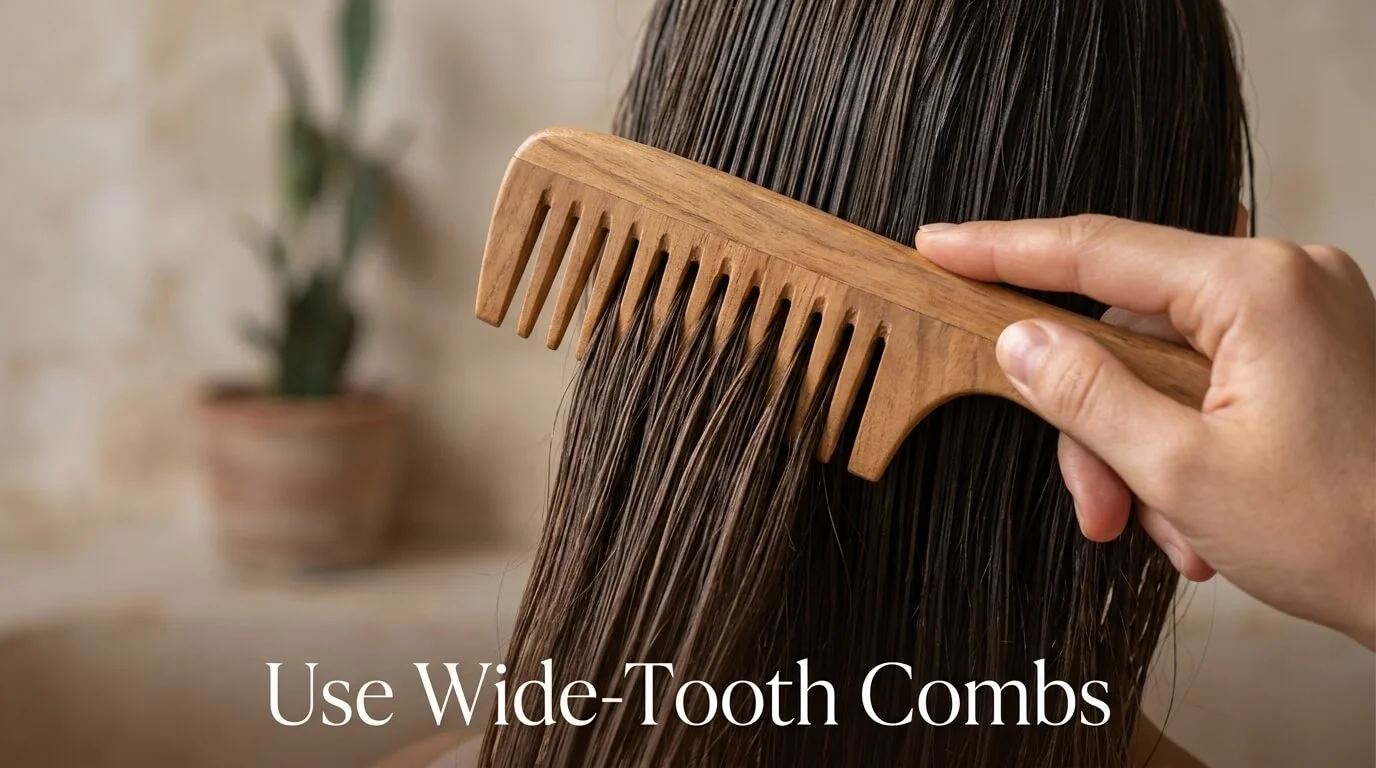
3. Rethink How You Dry Your Hair
Rubbing wet hair with a regular towel is one of the biggest hidden causes of fizz. The rough texture creates friction, roughs up the cuticle, and sets you up for a frizzy day before you’ve even started styling. Instead, use a microfiber towel or even an old cotton t-shirt, and gently scrunch or pat the hair dry rather than rubbing.
4. Apply Product to Damp, Not Dry, Hair
Leave-in conditioners, anti-frizz serums, and lightweight oils work best when applied to damp hair, not once it’s already dried out. Applying product too late means you’re trying to fix frizz after it’s already formed, instead of preventing it in the first place. A dime-sized amount of a smoothing serum, worked through mid-lengths to ends, can make a noticeable difference.
5. Be Smart About Heat Styling
If you use a blow dryer, straightener, or curling iron, always apply a heat protectant first. Better yet, try air-drying when you have time, or use a diffuser attachment on low heat if you’re in a rush. High heat without protection breaks down the protein structure of hair, which directly leads to more frizz over time, not less.
6. Switch Your Pillowcase
It sounds small, but swapping a cotton pillowcase for a silk or satin one reduces friction while you sleep. Cotton absorbs moisture from your hair overnight and creates tangles, while silk allows hair to glide smoothly, keeping strands intact until morning.
Lifestyle Habits That Quietly Affect Fizzy Hair
Fixing fizzy hair isn’t only about what you put on your strands — it’s also about what’s happening inside your body. Hair health is closely tied to hydration, diet, and even stress levels.
- Drink enough water daily. Dehydrated hair is more prone to frizz because it lacks the internal moisture needed to keep the cuticle smooth.
- Add omega-3s to your diet. Foods like salmon, walnuts, and flaxseeds support the natural oil production that keeps hair conditioned from within.
- Trim regularly. Split ends make frizz worse because the damaged tips catch on themselves and everything around them.

Quick Fixes for Fizzy Hair on the Go
Sometimes you don’t have time for a full routine overhaul — you just need a fast solution before you walk out the door. In that case:
- Rub a small amount of hand cream or hair oil between your palms and smooth it over the surface, avoiding the roots.
- Use an anti-static dryer sheet and gently run it over your hair.
- Mist a light hair spray designed for frizz control, holding the bottle about 8-10 inches away.
These won’t replace a proper care routine, but they buy you smooth, camera-ready hair in under a minute.
Frequently Asked Questions
Why does my hair get fizzy even when it’s not humid?
Fizzy hair isn’t always about the weather. Dryness, product buildup, or damage from heat styling can cause the same rough, raised cuticle effect even on a dry day.
Is fizzy hair a sign of damage?
Often, yes. While some frizz is simply a hair type characteristic, persistent or worsening fizz usually points to dehydration or damage in the hair shaft that needs targeted moisture and protein care.
How long does it take to fix fizzy hair?
With a consistent routine — proper shampoo, weekly deep conditioning, and gentle drying habits — most people notice real improvement within two to four weeks.
Can I fix fizzy hair without expensive products?
Absolutely. Simple changes like switching to a microfiber towel, applying leave-in conditioner to damp hair, and reducing heat exposure can make a significant difference at little to no cost.
Does hair type affect how fizzy it gets?
Yes. Curly and wavy hair types are naturally more prone to frizz because their structure makes it easier for moisture to enter unevenly, but straight hair can experience it too, especially with damage or humidity.
Final Thoughts
Fizzy hair can feel like a never-ending battle, but it really does come down to consistency. Once I started paying attention to how I dried my hair and swapped my old cotton pillowcase for a silk one, the difference showed up faster than I expected — smoother mornings, less static, and way less frustration in front of the mirror. Small changes, done consistently, genuinely add up.
If frizz has been holding you back from the hair you actually want, start with just one or two changes from this guide today. Your future self — and your hair — will thank you.