

You’ve probably had a favourite cup at some point. Maybe it was a chipped mug from your first flat, or a sleek glass you grabbed on a whim. Now think about the worst one: the cup that burned your fingers, made your tea taste like metal, or leaked all over your bag.
A cup looks like the simplest item in your kitchen, but the wrong one quietly ruins your drink every day. This guide covers the types, sizes and materials, how to match a cup to what you drink, and how to keep it in good shape. By the end, you’ll know exactly what to look for.
What Is a Cup, Exactly?
A cup is a small, open container for drinking, usually with a handle, made from ceramic, glass, metal, plastic or paper. In cooking, “cup” also means a measuring unit: one US cup is about 240 ml (8 fluid ounces), while a metric cup is 250 ml. That’s why a recipe that calls for “a cup” and the cup in your cupboard are often very different things.
This article focuses on drinking cups. If you’re after measuring cups, check the markings on the side, because the two are not interchangeable.
The Main Types of Cup You’ll Come Across
Choosing gets easier once you know what’s on offer.
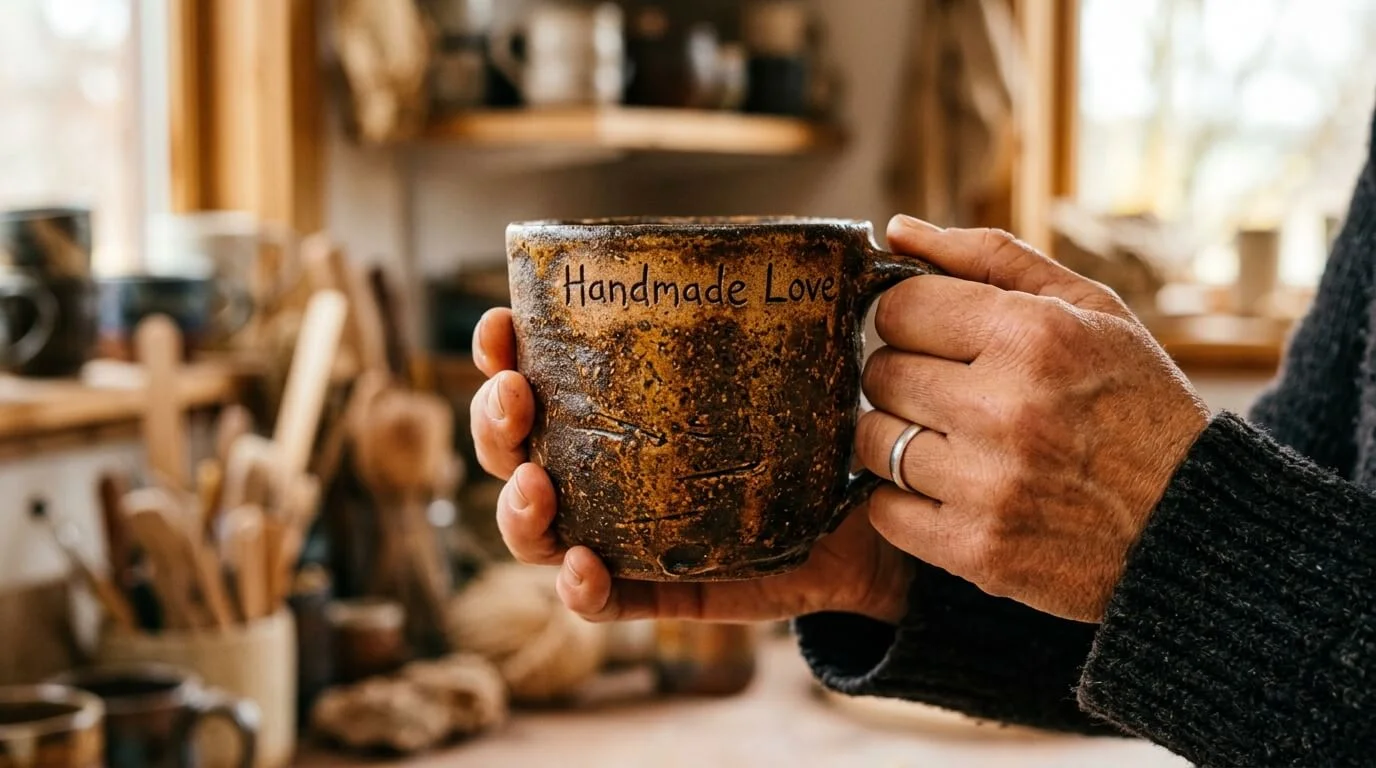
Ceramic and Porcelain Cups
These are the classics. Ceramic holds heat well, feels solid in the hand and doesn’t change the taste of your drink. Porcelain is thinner, lighter and more refined, which is why it’s common in tea sets. Both can chip or crack if dropped, but a good one can last for years.
Glass Cups
Glass is great if you like seeing what you’re drinking. Layered lattes, herbal teas and iced drinks all look better in it. Single-wall glass gets hot quickly, so for hot drinks choose double-wall borosilicate glass. It keeps your hands comfortable and your drink warm longer.
Stainless Steel Cups
Steel is tough, light and nearly unbreakable. An insulated stainless steel cup can keep a drink hot for hours or cold for even longer. The downside is that some cheaper ones leave a faint metallic taste, and you can’t microwave them.
Plastic and Silicone Cups
These are practical for kids, camping and outdoor use. Look for BPA-free labels and avoid heating plastic unless the packaging says it’s safe. Silicone folding cups are a clever option for travellers because they pack down flat.
Paper and Disposable Cups
Fine for events and takeaway, but not a long-term choice. If you buy them, check whether they’re compostable and whether the lining is recyclable. Many are not.
Which Cup Size Is Best?
Size matters more than most people expect. A cup that’s too big lets your drink go cold before you finish it. One that’s too small means constant refills.
Here’s a simple guide:
- Espresso cup: 60–90 ml (2–3 oz)
- Teacup: 180–240 ml (6–8 oz)
- Standard coffee cup: 240–350 ml (8–12 oz)
- Large mug: 350–500 ml (12–17 oz)
- Travel cup: 350–600 ml (12–20 oz)
If you can’t decide, a 300 ml cup suits most hot drinks and fits comfortably in one hand.
Matching the Cup to Your Drink
The best cup for coffee isn’t always the best cup for tea, and this is where many buyers go wrong.
The Best Cup for Coffee
For everyday filter coffee, a thick-walled ceramic cup with a wide base keeps the temperature steady. For espresso, go small and pre-warm it with hot water first, because a cold cup drops the temperature of your shot within seconds. If you like to smell the aroma, choose a cup with a slightly narrow rim.
The Best Cup for Tea
Tea rewards thin walls and a wide opening. Porcelain works well because it lets the leaves’ fragrance open up as you sip. Green and white teas especially taste better in a cup that doesn’t hold too much heat, which can turn them bitter.
The Best Cup for Cold Drinks
Go with glass or double-wall stainless steel. Both resist condensation and keep ice from melting too fast. A cup with a wide base is also harder to knock over.
The Best Cup for Commuting
A leak-proof lid and an insulated body are the two features that really count. Test the lid at the shop if you can: turn it upside down over the sink before you buy, not after.
Five Things to Check Before You Buy a Cup
A quick checklist saves you from a disappointing purchase.
- Weight. Pick it up. If it feels awkward empty, it will feel worse full.
- Handle shape. Can you fit at least two fingers through it comfortably?
- Rim thickness. Thin rims feel elegant for tea. Thicker rims are sturdier for daily coffee.
- Safety marks. Look for “dishwasher safe” and “microwave safe” if you need them.
- Stability. Put it on a flat surface. It shouldn’t wobble.

How to Look After Your Cup
A little care goes a long way, and it doesn’t take much effort.
Remove tea and coffee stains. Mix baking soda with a little water to form a paste, rub gently and rinse. For stubborn marks, soak the cup in warm water with a spoonful of white vinegar for 30 minutes.
Avoid sudden temperature changes. Pouring boiling water into a cold ceramic or glass cup can cause cracks. Warm it up gradually first.
Watch for chips and crazing. Tiny cracks in the glaze can trap bacteria and make the cup unsafe to drink from. If you see them, retire the cup.
Hand wash special pieces. Hand-painted or gold-rimmed cups usually don’t survive dishwashers well, even when they seem sturdy.
Common Mistakes People Make With Cups
- Buying a cup for looks alone without checking how it feels in the hand.
- Using one oversized cup for every drink.
- Microwaving a cup with metallic paint or trim.
- Keeping a chipped cup “just for now” for years.
Avoid these and your cup will work better and last longer.
Frequently Asked Questions
What is the best material for a cup?
It depends on the use. Ceramic is best for everyday hot drinks, glass for showing off layered or iced drinks, and stainless steel for travel. No single material wins in every situation.
How many ml is a standard cup?
A standard drinking cup holds about 240–350 ml. As a measuring unit, one US cup is roughly 240 ml and one metric cup is 250 ml.
Is it safe to drink from a cracked cup?
It’s better not to. Cracks and deep scratches can hide bacteria and, in older or cheaply glazed ceramics, may allow the glaze to wear down. If a cup is cracked, replace it.
Can I put any cup in the microwave?
No. Plain ceramic and glass usually are safe, but anything with metal trim, and all stainless steel cups, are not. Check the base for a microwave-safe symbol before heating.
How do I stop my cup from staining?
Rinse it soon after use and wash it regularly with baking soda or a mild detergent. The longer tea or coffee sits, the harder the stain is to remove.
Final Thoughts: Pick the Cup That Fits Your Day
The right cup is the one that suits your drink, your habits and your hands. Think about what you drink most, where you drink it, and how much care you’re willing to give. Then choose the material and size that fit, using the checklist above.
Take a minute today to look at the cup you reach for every morning. Does it keep your drink at the right temperature and feel good to hold? If not, use this guide to find a better one, and share it with someone who’s still drinking from a cup they don’t love.