

Standing in front of a shoe rack with fifteen pairs and still feeling like you have “nothing to wear” is a universal experience. If you’ve ever bought a gorgeous pair of heels only to abandon them after twenty minutes because your feet were screaming, you already know that not all heel sandals are created equal. The right pair can carry you through a wedding, a work dinner, and a weekend brunch without a single blister — but finding it means knowing exactly what to look for before you swipe your card.
This guide breaks down everything that actually matters when choosing a heel sandal: the styles worth owning, how to judge comfort before you buy, which materials hold up, and how to match a pair to the occasion. By the end, you’ll be able to walk into any shoe store (or scroll through any website) and know within seconds whether a pair is worth your money.
What Is a Heel Sandal, Exactly?
A heel sandal is an open-toed or open-back shoe built on a raised heel, combining the breathability of a sandal with the elevation and shape of a heeled shoe. Unlike a closed pump, it typically exposes more of the foot through straps, cutouts, or an open toe box, which makes it a go-to choice for warmer months, evening events, and casual-to-dressy occasions alike.
The category is broad. A heel sandal can have a heel as low as one inch or as high as five, and it can come in dozens of strap configurations — ankle straps, T-straps, crisscross vamps, or a single toe loop. That variety is exactly why picking “just any” pair often leads to disappointment.
Popular Heel Sandal Styles You Should Know
Stiletto Heel Sandals
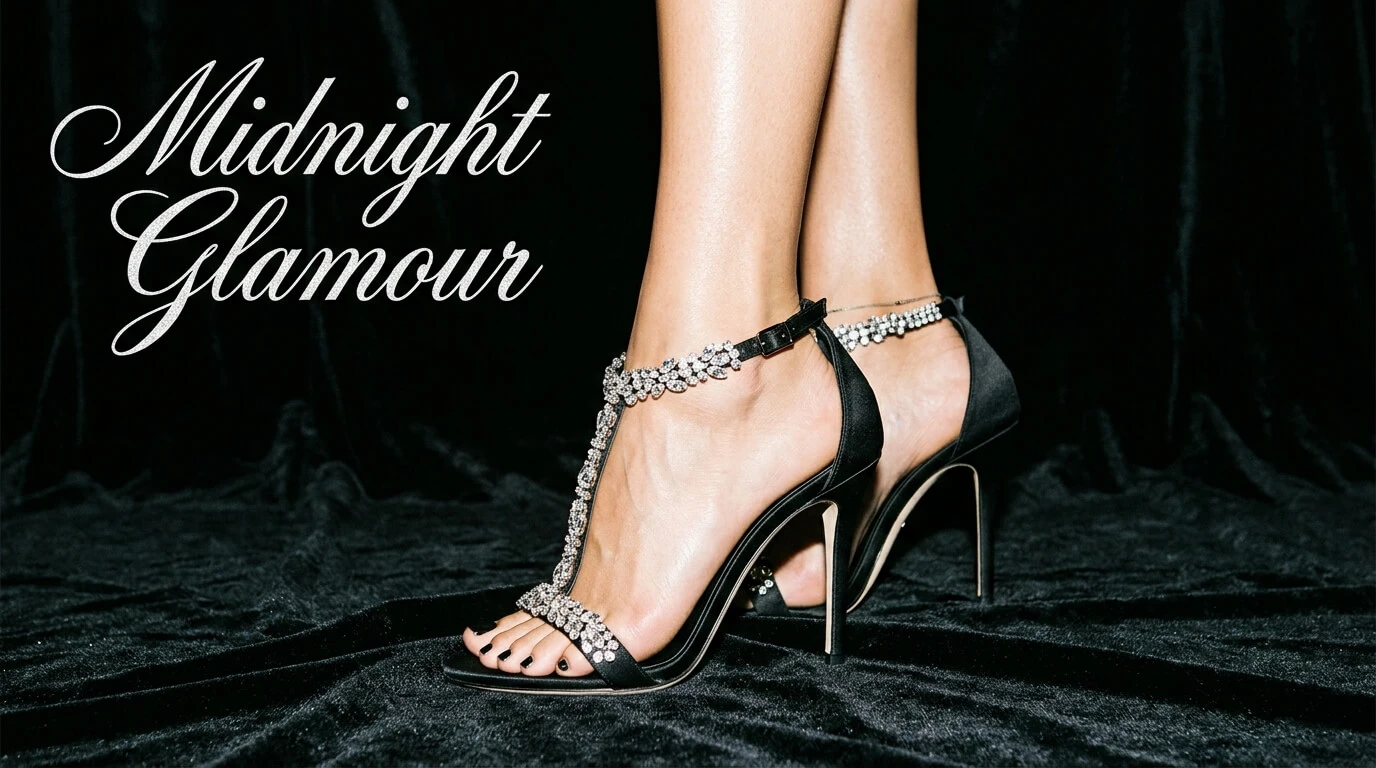
The stiletto sandal is the classic go-to for formal events. Thin, sharp, and elegant, it elongates the leg and pairs beautifully with dresses and tailored trousers. The trade-off is stability — a narrow heel base means more pressure on a smaller point of contact, so these are usually better suited to shorter stretches of standing or walking.
Block Heel Sandals
If comfort is a priority without giving up height, block heel sandals are worth serious consideration. The wider heel base distributes weight more evenly, which reduces ankle wobble and foot fatigue. Many people who “can’t wear heels” find that a block heel sandal changes that story entirely.
Wedge Heel Sandals
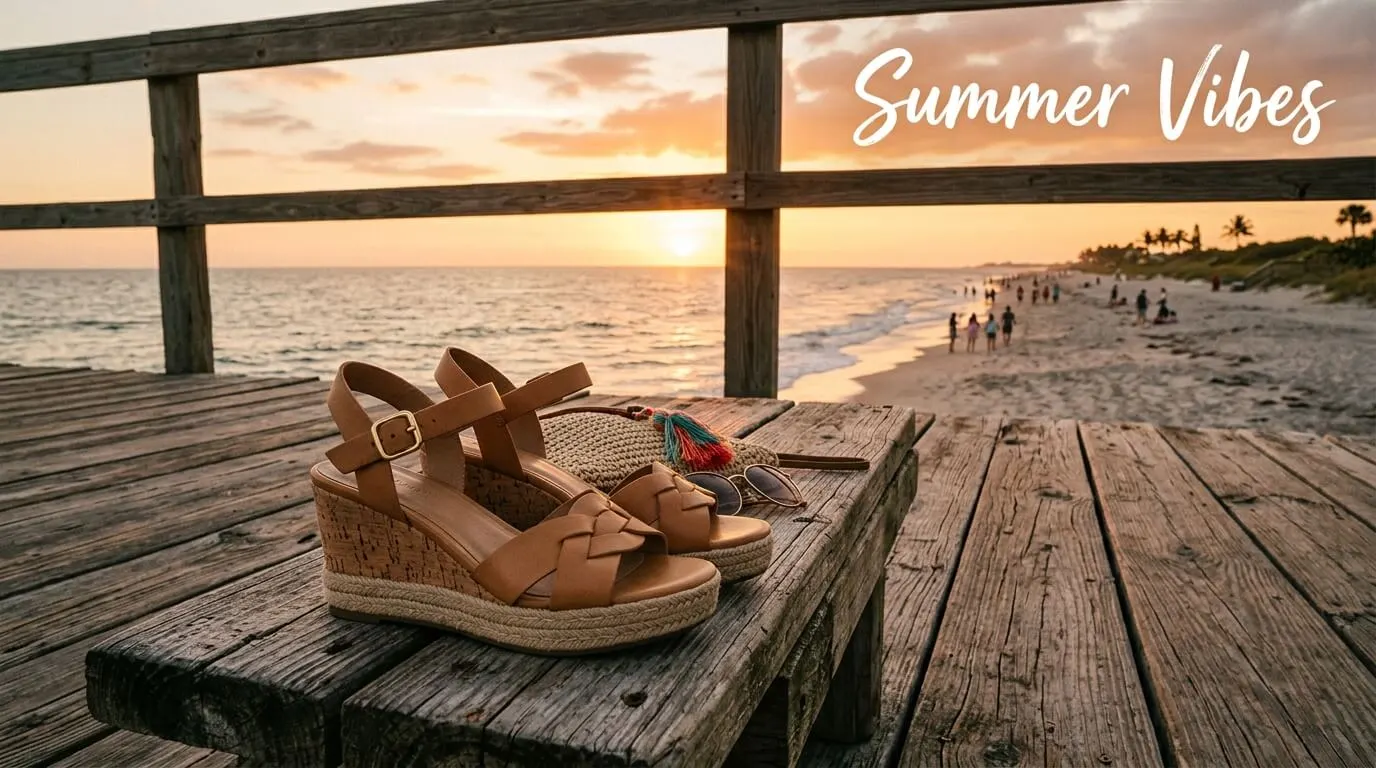
A wedge heel sandal spreads support along the entire length of the foot rather than concentrating it at the back. This makes it one of the most stable heel sandal options for outdoor events, uneven terrain, or long days on your feet — think garden parties, boardwalk strolls, or festival season.
Kitten Heel Sandals
Sitting at around one to two inches, kitten heel sandals offer a subtle lift without the commitment of a taller heel. They’re a favorite for office wear and for anyone easing into heels after months in flats or sneakers.
Platform Heel Sandals
A platform adds height to the front of the shoe, reducing the incline between your toes and heel. This makes even a four-inch heel sandal feel noticeably more manageable, which is why platforms are so common in going-out and evening styles.
How to Choose the Right Heel Sandal for Comfort
Comfort isn’t a bonus feature — it’s the difference between a shoe you wear on repeat and one that lives in the back of your closet. Here’s what actually separates a comfortable heel sandal from a painful one.
Heel height and your daily reality. Be honest about how the shoe will actually be used. A three-inch heel sandal for a two-hour dinner is very different from one you’ll wear for an eight-hour workday.
Footbed cushioning. Run your thumb across the insole. A padded or contoured footbed, especially at the ball of the foot, makes a measurable difference over a few hours of wear.
Strap placement. Straps that cross over the widest part of the foot or wrap securely around the ankle prevent slipping, which reduces the unconscious muscle tension your feet use to “grip” a loose shoe.
Toe box shape. A slightly rounded or squared-off toe box gives toes room to spread naturally, whereas an aggressively pointed shape can pinch even in a sandal.
Material flexibility. Genuine leather and quality synthetic uppers mold to the shape of your foot over time, while stiff, low-grade materials tend to rub and blister.
Choosing the Right Heel Sandal for the Occasion
For Weddings and Formal Events
A stiletto or platform heel sandal in metallic tones, satin, or embellished straps tends to photograph beautifully and suits formal dress codes. Pair the shoe color to your outfit rather than matching it exactly — a shade lighter or a complementary neutral often looks more intentional.
For the Office
A block or kitten heel sandal in neutral leather (black, tan, or nude) works across most professional dress codes, especially when the strap design is understated.
For Everyday and Casual Wear
Wedge or low block heel sandals in breathable materials handle daily errands, brunches, and casual outings without sacrificing comfort.
For Beach Weddings or Outdoor Events
Wedge heel sandals are the practical winner here — the wider surface area prevents the classic “heel sinking into grass or sand” problem that ruins so many outdoor photos.
Materials That Matter
Leather remains the gold standard for durability and how well a shoe conforms to your foot over time. Suede offers a softer, more textured look but requires more care around moisture. Synthetic and vegan leather options have improved significantly and now offer a budget-friendly, cruelty-free alternative without a major comfort trade-off. Fabric and raffia uppers are lightweight and ideal for summer but generally less durable for frequent wear.
Caring for Your Heel Sandals So They Last
A little maintenance extends the life of any pair significantly. Wipe leather uppers with a damp cloth after wear to remove dust and oils. Use a suede brush on suede styles rather than water, which can leave permanent marks. Store sandals upright or flat rather than stacked, which helps straps and heels keep their shape. Rotate between two or more pairs if you wear heels frequently, since materials need time to recover their shape between wears.
Frequently Asked Questions
What is the most comfortable type of heel sandal?
Block heel and wedge heel sandals are generally the most comfortable because their wider base distributes body weight more evenly, reducing pressure on the ball of the foot compared to a stiletto.
How high should a heel sandal be for all-day wear?
For all-day comfort, a heel height of one to two inches is typically the sweet spot, ideally on a block or wedge base rather than a thin heel.
Can heel sandals be worn in winter?
Yes, though it depends on the material and design. Closed-toe or thicker-strapped heel sandals paired with tights work for transitional weather, while open, delicate styles are better reserved for warmer months.
How do I stop heel sandals from slipping off my heel?
Look for an ankle strap or a T-strap design, which anchors the shoe in place. Heel grips or insoles can also be added to snug up a slightly loose fit.
What’s the difference between a heel sandal and a regular heel?
A heel sandal exposes more of the foot through open straps or cutouts, while a regular heel (like a pump) typically has a closed toe and covered upper.
Final Thoughts
The best heel sandal isn’t necessarily the tallest, the trendiest, or the most expensive one — it’s the pair that matches your foot shape, your daily reality, and the occasions you actually dress for. Start with comfort fundamentals, choose a style that suits your lifestyle, and build from there. Whether you’re shopping for a wedding, upgrading your work wardrobe, or simply replacing a worn-out summer favorite, use this guide as your checklist before you buy.
Ready to find your next favorite pair? Take stock of your wardrobe gaps first, then shop with these comfort and style factors in mind — your feet (and your outfit photos) will thank you.