

If you’ve ever sat down with a blank record book and felt completely lost about where to even start, you’re not alone. I remember staring at an empty ledger years ago, pen in hand, wondering if I was supposed to write like an accountant or just… talk to the page. Turns out, neither answer was quite right — and that’s exactly what this guide will help you figure out.
Whether you’re a student working on a 4-H project, a small business owner tracking expenses, a farmer logging livestock data, or someone simply trying to keep a personal record of daily activities, learning how to write a record book properly can save you hours of frustration later. A well-organized record book isn’t just paperwork — it’s a tool that tells a story, backs up your claims, and helps you make smarter decisions down the road.
By the end of this article, you’ll know exactly what sections to include, how to format your entries, what mistakes to avoid, and how to keep your record book consistent enough that it’s actually useful six months from now (not just for the first two weeks).
What Is a Record Book, Really?
A record book is simply a structured document where you log information over time — dates, activities, expenses, income, observations, or progress. It’s different from a diary because it’s organized around specific categories rather than free-flowing thoughts. Think spreadsheets with a narrative, or a logbook with purpose.
People use
for all kinds of reasons:
- Agricultural and livestock projects (like 4-H or FFA record books)
- Small business bookkeeping
- Personal finance tracking
- Academic or research projects
- Health and fitness logs
- Hobby projects, like woodworking or gardening
No matter the purpose, the core idea stays the same: consistent, accurate, and organized documentation.
Why a Good Record Book Matters More Than You Think
I used to think record books were just busywork — something you fill out because a teacher or supervisor told you to. Then I actually needed to look back at old entries to prove how much I’d spent on a project, and suddenly those “boring” notes became gold.
A well-kept record book helps you:
- Track progress and identify patterns over time
- Prove expenses, income, or achievements when it matters (taxes, grants, awards, project evaluations)
- Reflect on decisions and learn from mistakes
- Build discipline and accountability
- Create a reliable reference instead of relying on memory
This is where a lot of people go wrong — they treat record-keeping as an afterthought instead of an ongoing habit. Do that, and by the time you need the information, it’s incomplete or missing entirely.
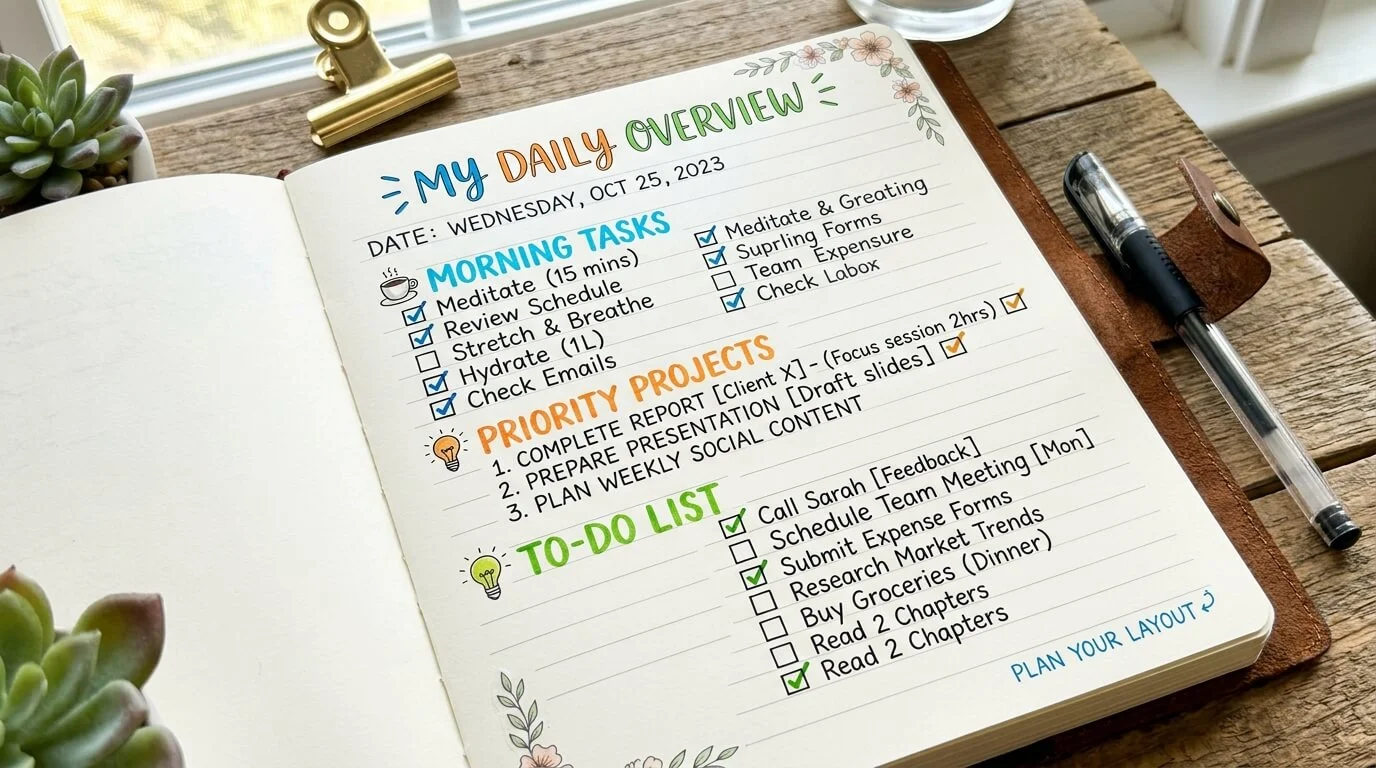
Step 1: Choose the Right Format for Your Record Book
Before you write a single entry, decide how you’ll structure the book. There are three common approaches:
Physical Notebook or Ledger
Great for people who prefer handwriting and want something tactile. Works well for 4-H and FFA projects, personal journals, or field notes where you’re jotting things down on the go.
Digital Spreadsheet (Excel or Google Sheets)
Ideal for financial tracking, business records, or anything involving numbers. You can create formulas, sort data, and generate totals automatically.
Dedicated Record-Keeping App or Software
Best for ongoing projects that need reminders, categories, or cloud backup. Many farming and business record books now use apps specifically designed for this purpose.
Pick whichever format you’ll actually stick with. A beautifully designed spreadsheet you never open is worse than a messy notebook you update daily.
Step 2: Set Up the Core Sections of Your Record Book
Most record books, regardless of purpose, share a similar skeleton. Here’s a structure you can adapt:
1. Basic Information Page
Name, project title, date range covered, and purpose of the record book. This sounds obvious, but it’s the page people skip most often — and then can’t remember what the book was even for a year later.
2. Goals or Objectives
What are you trying to track or achieve? Writing this down early keeps your entries focused instead of scattered.
3. Daily or Periodic Entry Log
This is the heart of the record book. Each entry should typically include:
- Date
- Activity or task performed
- Time spent (if relevant)
- Expenses or income (if relevant)
- Notes or observations
4. Financial Summary (if applicable)
Total income, total expenses, and net profit or loss. Business and agricultural record books almost always need this section.
5. Reflection or Evaluation Section
A short summary of what you learned, what worked, and what you’d change. This is often the most overlooked — and most valuable — part of any record book.
Step 3: Write Clear, Consistent Entries
Here’s where most record books fall apart: inconsistency. People start strong, then entries get vague, then they stop altogether. To avoid that:
- Write in short, factual sentences. You don’t need flowery language — just clarity.
- Be specific. Instead of “worked on project,” write “spent 2 hours repairing fence on east pasture, replaced 3 posts.”
- Update it regularly. Daily is ideal; weekly is the minimum for most purposes. Waiting until the end of a project to fill in months of entries almost always leads to inaccurate or forgotten details.
- Use the same format every time. Consistency makes the book easier to review later and shows discipline if it’s being evaluated by a teacher, judge, or auditor.
Step 4: Include Supporting Details and Evidence
A strong record book doesn’t just list activities — it backs them up. Where relevant, include:
- Receipts or expense records
- Photos (for project-based or agricultural record books)
- Measurements or data points
- Signatures or verification, if required by a program or organization
This extra layer of documentation is often what separates an average record book from an award-winning or audit-ready one.
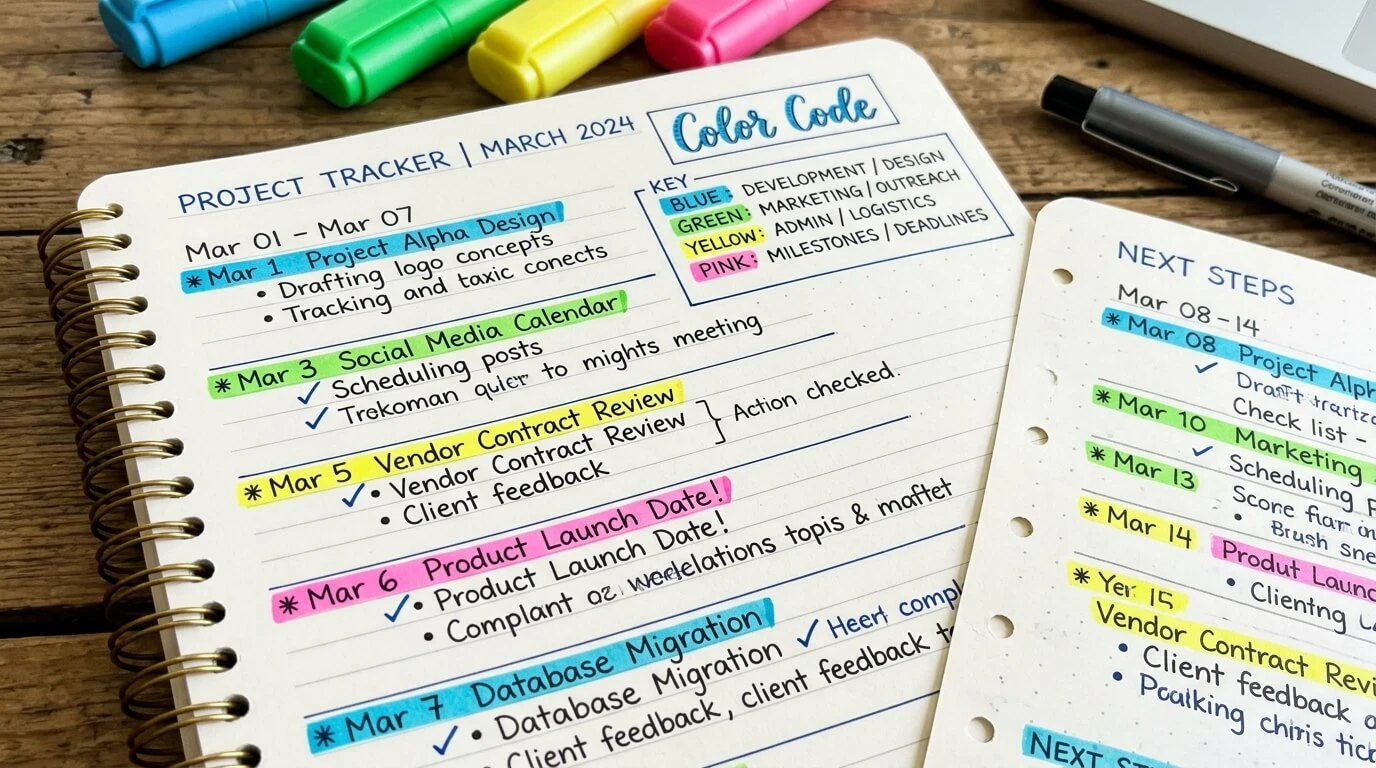
Common Mistakes to Avoid When Writing a Record Book
- Skipping entries and trying to “catch up” later. Memory fades fast, and gaps are obvious.
- Being too vague. “Did farm chores” tells you nothing six months later.
- Ignoring the financial section. Even small transactions add up and matter for accuracy.
- Not reviewing the book periodically. Check in monthly to catch errors early instead of finding them all at once at the end.
- Overcomplicating the format. A record book should be functional, not a design project.
Frequently Asked Questions
What should be included in a record book? At minimum, a record book should include a basic information page, clear goals, a dated activity log with specifics, a financial summary if money is involved, and a reflection section summarizing outcomes.
How often should I update my record book? Ideally, update it daily or immediately after an activity happens. If that’s not realistic, aim for at least once a week so details stay accurate and fresh.
Can a record book be digital instead of handwritten? Yes. Digital spreadsheets or dedicated apps work just as well, and often better for financial tracking, since they allow automatic calculations and easy backups.
Do record books need to include photos or receipts? It depends on the purpose. For agricultural, business, or competition-based record books (like 4-H), photos and receipts add credibility and are often required. For personal use, they’re optional but still helpful.
What’s the biggest mistake people make with record books? Inconsistency. Starting strong and then letting entries slide is by far the most common issue, and it’s what makes a record book unreliable later on.
Final Thoughts and What I’d Tell My Past Self
If I’m being honest, the first record book I ever kept was a mess — vague entries, missing dates, half-finished financial notes. It wasn’t until I started treating it like a habit rather than a chore that it actually became useful. Now, whenever I look back through old record books, I’m genuinely grateful I have them; they’ve settled disputes, jogged forgotten memories, and even helped me spot patterns in spending I never would have noticed otherwise.
The truth is, writing a good record book isn’t about perfect handwriting or fancy formatting. It’s about showing up consistently and being specific, even on the days it feels tedious. Start with a simple structure, update it regularly, and don’t skip the reflection section — that’s where the real value often shows up months later.
If you’re just getting started, grab a notebook or open a blank spreadsheet today and set up your first four sections. Future you will be glad you did.