
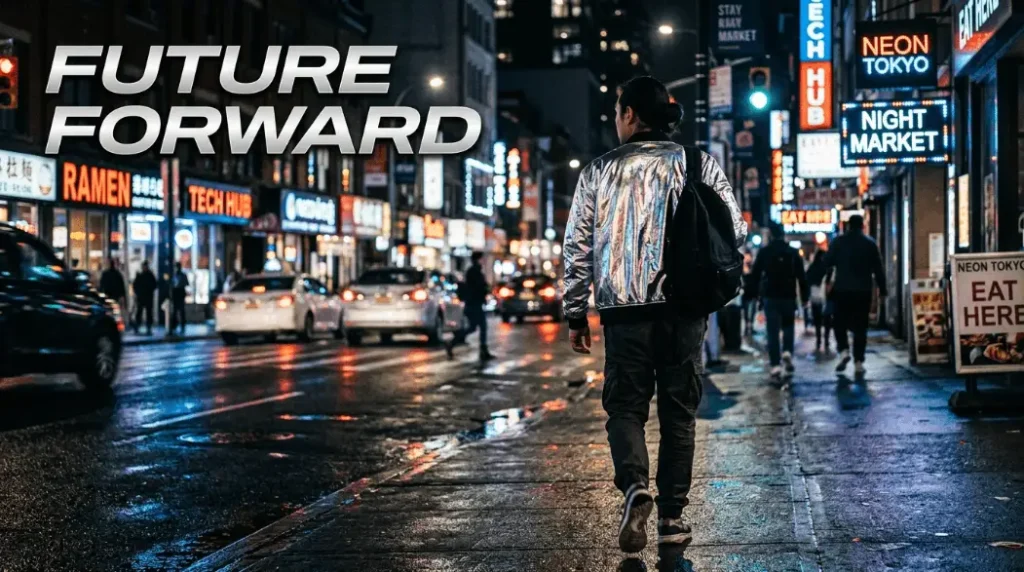
A bomber jacket is one of those rare fashion pieces that never seems to disappear. It can look casual, sporty, smart, or even slightly edgy depending on how you wear it. But what makes this jacket so popular after decades of changing fashion trends?
The answer is simple: versatility. Like a blank canvas, it gives you plenty of room to create your own look. Whether you’re heading out for coffee, meeting friends, traveling, or building a layered outfit for cooler weather, the right jacket can become one of the most useful pieces in your wardrobe.
What Is a Bomber Jacket?
A bomber jacket is generally a short jacket characterized by a waist-length cut, ribbed cuffs, a ribbed waistband, and a front fastening. Traditional designs often include a zip closure and practical pockets.
Originally designed for practical use, the style eventually moved from military clothing into everyday fashion. Today, you can find versions made from nylon, leather, cotton, polyester, suede, satin, and blended fabrics.
The appeal comes partly from its simple structure. It is recognizable without being overly complicated. You can wear it with jeans and sneakers for a relaxed appearance or combine it with cleaner trousers and boots for a more polished outfit.
The key features often include:
- Short or waist-length silhouette
- Ribbed collar, cuffs, and hem
- Front zipper
- Side or utility pockets
- Lightweight or insulated construction
- Relaxed, comfortable shape
Because designers have adapted the original concept in countless ways, there isn’t just one definition of what a modern version must look like.
The History Behind the Classic Jacket
The roots of the bomber jacket can be traced to military aviation. Early flight jackets were created to keep pilots warm in open or poorly insulated aircraft.
As aviation technology changed, aircraft became faster and pilots faced different conditions. Clothing had to become practical while allowing freedom of movement.
Over time, military-inspired jackets began appearing in civilian wardrobes. What was once functional equipment became a recognizable fashion statement.
This transition is fascinating because it shows how clothing can travel from one environment to another. A design created for demanding conditions can eventually become something people wear simply because it looks good.
From function to fashion
The transformation didn’t happen overnight. Designers, musicians, actors, athletes, and streetwear communities all helped make the silhouette familiar to the wider public.
Today, the jacket carries traces of that heritage while being available in styles that have little connection to its original purpose.
Why Bomber Jackets Remain Popular
Fashion trends come and go, so why has this particular silhouette survived?
One reason is adaptability. A good bomber jacket doesn’t force you into one particular aesthetic. You can make it minimal, athletic, vintage-inspired, urban, or sophisticated.
Another advantage is layering. Its relatively short shape works well over T-shirts, shirts, sweaters, and lightweight hoodies.
Comfort is another major factor.
Many modern versions are designed with practical fabrics and comfortable cuts. That makes them useful for everyday activities rather than simply special occasions.
There is also something timeless about the shape. The ribbed edges create a clear outline, while the simple front keeps the overall design easy to wear.
In fashion terms, it behaves almost like a bridge between a sweatshirt and a traditional coat. You get some of the comfort of casual clothing while gaining the structure of outerwear.
Different Types and Materials
Not every bomber jacket feels or looks the same. Material has a huge effect on its appearance, warmth, durability, and price.
Nylon and Synthetic Fabrics
Lightweight synthetic versions are popular for everyday use. They are often practical, easy to maintain, and suitable for transitional weather.
Some designs include water-resistant finishes, making them useful when the weather is unpredictable.
Leather
Leather versions offer a stronger and more luxurious appearance. They tend to feel heavier and can become more distinctive as they age.
Leather works particularly well with:
- Denim
- Boots
- Plain T-shirts
- Dark trousers
- Casual knitwear
Suede
Suede provides a softer and more refined appearance. Its texture can make a simple outfit look more interesting without requiring bold colors or patterns.
However, suede generally needs more careful maintenance than synthetic materials.
Cotton
Cotton versions can feel comfortable and breathable. They are particularly useful when you want the jacket’s shape without excessive insulation.
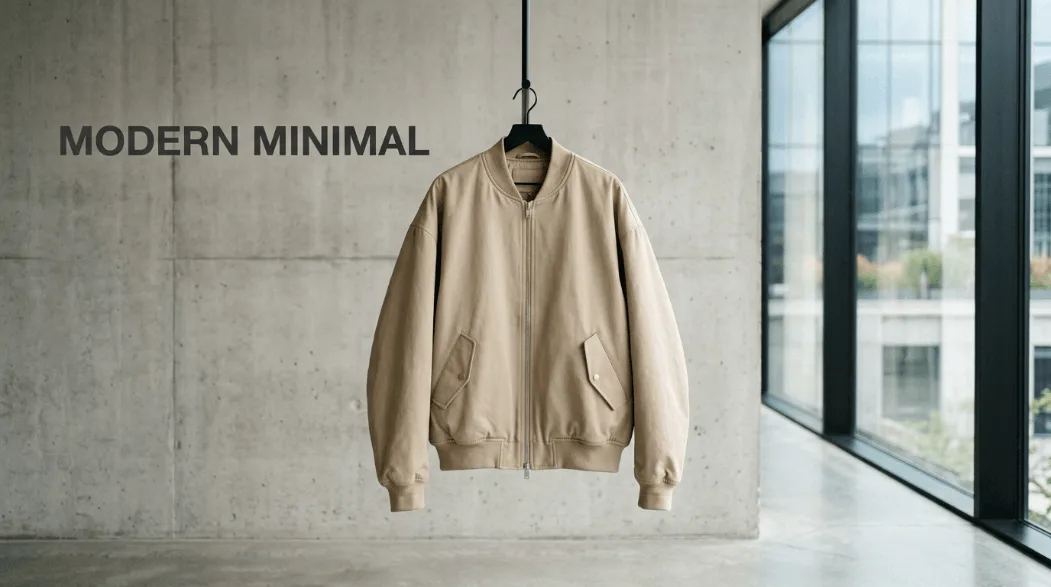
Quilted and Insulated Designs
For colder weather, padded designs can provide additional warmth. These jackets are often thicker and may have insulation between the outer and inner layers.
The best material depends on where you live, how often you wear it, and what you want from the jacket.
How to Choose the Right Fit
Fit can completely change how a bomber jacket looks.
A jacket that is too tight may restrict movement and make layering uncomfortable. One that is excessively oversized can overwhelm your proportions unless that is specifically the style you’re trying to achieve.
Look at the shoulders first.
The shoulder area should generally sit comfortably without creating excessive pulling or bunching.
The sleeves should allow natural movement, while the waistband should sit around the waist or hips depending on the design.
For a traditional appearance, choose a relatively neat fit. For a contemporary streetwear outfit, an oversized silhouette can work well.
Ask yourself:
- Can I comfortably move my arms?
- Can I wear a shirt underneath?
- Does the hem sit naturally?
- Are the sleeves too long?
- Does the jacket complement my body proportions?
Trying the jacket with the clothes you normally wear underneath can make a surprisingly big difference.
How to Style a Bomber Jacket
The easiest way to style one is to keep the rest of your outfit relatively simple.
For a casual look, try a plain T-shirt, straight-leg jeans, and sneakers. The jacket becomes the main outer layer without making the outfit feel complicated.
For a slightly smarter appearance, replace the T-shirt with an Oxford-style shirt and choose chinos or tailored trousers.
Casual Outfit
Bomber jacket + T-shirt + jeans + sneakers
This combination is simple, comfortable, and suitable for everyday activities.
Streetwear Outfit
Oversized bomber + hoodie + relaxed trousers + sneakers
An oversized silhouette creates a more contemporary appearance. Neutral colors can keep the outfit balanced.
Smart-Casual Outfit
Clean bomber + button-down shirt + chinos + leather shoes
This combination works when you want something more polished without wearing a traditional blazer.
Minimal Outfit
Neutral bomber + monochrome clothing + simple footwear
A black, navy, olive, beige, or gray jacket can work particularly well with minimalist wardrobes.
Bomber Jackets for Different Seasons
Although many people associate the style with autumn and winter, the right material can make it useful throughout much of the year.
Spring
Choose lightweight cotton or thin synthetic fabrics. Pair the jacket with a T-shirt or lightweight shirt.
Summer
In warm climates, heavy outerwear may be uncomfortable. If you still want the look, choose an extremely lightweight design and use it during cooler evenings.
Autumn
This is arguably one of the best seasons for this type of jacket. Layer it over shirts, sweaters, or lightweight hoodies.
Winter
Choose an insulated or heavier version. You can layer it over knitwear while wearing thicker trousers and suitable footwear.
The important point is to match the construction to the temperature. A fashionable jacket isn’t useful if you’re uncomfortable wearing it.
Choosing Colors and Patterns
Color is one of the easiest ways to determine how versatile your jacket will be.
Black
Black offers maximum flexibility. It works with denim, gray, white, beige, and many other colors.
Navy
Navy is slightly softer than black and works especially well with jeans and lighter neutral colors.
Olive
Olive creates a subtle military-inspired feel while remaining easy to coordinate.
Beige and Tan
Lighter shades can make the jacket feel more relaxed and contemporary. They are particularly useful for spring and transitional outfits.
Bold Colors
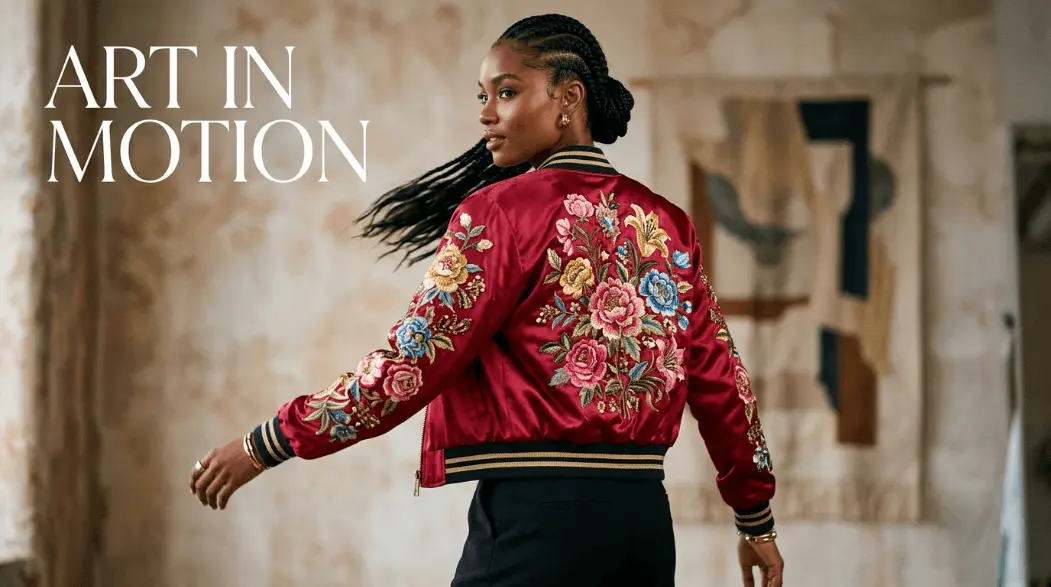
Red, blue, orange, and other stronger colors can become the focal point of an outfit.
If your jacket is bright or heavily patterned, keep the rest of the clothing relatively simple.
Bomber Jackets for Men and Women
The basic silhouette can work across different wardrobes and personal styles.
For men, traditional versions are often paired with denim, chinos, sneakers, boots, or casual shirts. Oversized designs can create a more relaxed streetwear appearance.
For women, the same jacket can be combined with jeans, trousers, skirts, dresses, sneakers, or boots.
There are no strict rules.
Fashion is ultimately about proportion, comfort, and personal expression. A traditionally masculine garment can look completely different when combined with softer textures, different silhouettes, or accessories.
The most useful approach is to focus on the overall outfit rather than worrying too much about whether a specific jacket is supposedly intended for one gender.
How to Care for Your Jacket
Proper care can significantly extend the life of your outerwear.
Always check the care label before washing. Different materials require different methods.
Synthetic fabrics may be easier to clean, while leather and suede often need specialized care.
General care tips include:
- Follow the manufacturer’s washing instructions.
- Avoid unnecessary high heat.
- Empty pockets before washing.
- Close zippers before cleaning.
- Store the jacket on an appropriate hanger.
- Keep leather and suede away from excessive moisture.
- Treat stains as soon as practical.
If the jacket has structured ribbing, avoid methods that could stretch or distort the cuffs and waistband.
Good maintenance is not complicated. Think of it like looking after a favorite pair of shoes: small amounts of care can prevent much bigger problems later.
Common Styling Mistakes to Avoid
Even a versatile jacket can look awkward when the proportions are wrong.
One common mistake is wearing too many competing elements. If your jacket has a strong pattern, bold shoes, graphic clothing, and multiple accessories, the outfit can become visually crowded.
Another mistake is ignoring length. The short silhouette works best when the rest of the outfit creates a balanced shape.
Poor layering can also cause problems.
A thick hoodie underneath a slim jacket may feel restrictive. Instead, either choose a roomier outer layer or use thinner clothing underneath.
Finally, don’t choose a jacket solely because it is fashionable. Consider whether you’ll actually wear it.
A simple jacket that works with ten outfits is often more valuable than an impressive-looking piece that works with only one.
How to Build an Outfit Around One
If you’re buying your first bomber jacket, start with versatility.
A neutral color such as black, navy, olive, gray, or beige can give you many styling possibilities.
Next, consider the clothes you already own.
If your wardrobe is mostly jeans and sneakers, choose something that complements those pieces. If you usually wear chinos and smart-casual clothing, look for a cleaner design.
Start with three reliable combinations:
- Everyday: T-shirt, jeans, sneakers, and jacket.
- Layered: Sweater, trousers, boots, and jacket.
- Smart casual: Button-down shirt, chinos, clean shoes, and jacket.
Once you’re comfortable with those combinations, you can experiment with colors, textures, accessories, and different proportions.
The goal isn’t to follow every fashion rule. The goal is to create outfits that feel natural when you wear them.
Conclusion
A bomber jacket has earned its place in modern wardrobes because it combines history, practicality, comfort, and style. From lightweight everyday versions to leather and insulated designs, there is an option for almost every personal taste.
The secret is choosing the right fit, material, color, and level of warmth for your lifestyle. Once you understand those basics, styling becomes much easier.
Whether you prefer classic clothing or modern streetwear, this versatile jacket can become a dependable part of your wardrobe rather than a short-lived trend.
Frequently Asked Questions
1. What is a bomber jacket?
A bomber jacket is a short outerwear style commonly recognized by its ribbed collar, cuffs, waistband, front fastening, and practical pockets. Modern versions are available in many materials and designs.
2. Are bomber jackets still fashionable?
Yes. Their simple silhouette makes them adaptable to changing fashion trends. Different fits, fabrics, and colors allow the style to work with contemporary wardrobes.
3. What should I wear with a bomber jacket?
You can wear one with jeans, T-shirts, hoodies, chinos, shirts, trousers, sneakers, or boots. The best combination depends on the jacket’s fit and the occasion.
4. Which color is best for a first bomber jacket?
Black, navy, olive, gray, and beige are strong choices because they can be combined with many different outfits.
5. Can bomber jackets be worn in winter?
Yes, provided you choose a suitable insulated or heavier version. Layering it over knitwear can provide additional warmth during colder conditions.