
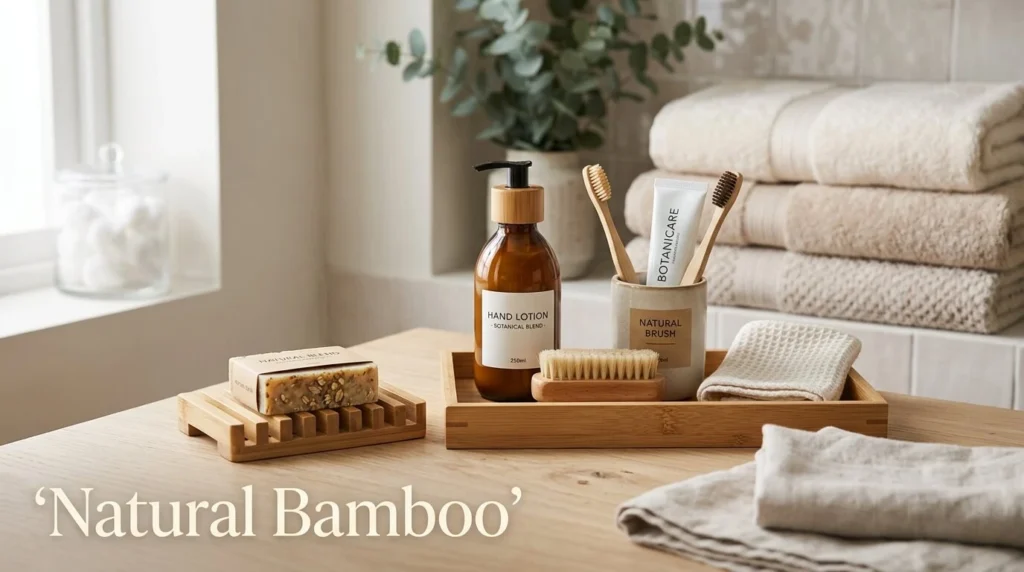
A bathroom may be one of the smallest rooms in a home, but it has a surprisingly important role in our daily lives. From the moment you wake up and wash your face to the relaxing shower you take at the end of a busy day, this space needs to be comfortable, practical, and pleasant.
The right bathroom accessories can make a noticeable difference. You do not always need an expensive renovation to refresh your bathroom. Sometimes, adding a stylish soap dispenser, a useful towel rail, a well-designed mirror, or clever storage can completely change how the room feels.
But how do you know which items are genuinely useful and which ones simply take up space? Think of accessories as the finishing touches of an outfit. The walls, floor, bath, and sink create the basic structure, while smaller additions bring everything together.
In this guide, we will explore the most useful accessories, materials, styles, storage ideas, cleaning considerations, and practical tips to help you create a bathroom that looks good and works well.
1. Why Bathroom Accessories Matter
When people decorate their homes, they often concentrate on bedrooms, living rooms, and kitchens. Bathrooms sometimes receive less attention. Yet small improvements in this room can have a big impact on everyday comfort.
Accessories provide both function and style. A towel rail keeps towels organized, a toilet roll holder keeps essentials within reach, and a storage basket helps prevent clutter. At the same time, these objects contribute to the overall appearance of the room.
Imagine walking into a bathroom where towels are scattered around, toiletries cover every surface, and there is nowhere convenient to put your soap. Even an expensive bathroom can feel uncomfortable in this situation.
Now imagine the opposite: everything has a place, surfaces are clear, towels are easy to reach, and the colors complement each other. The difference can be dramatic.
Good design is not necessarily about having more things. It is about choosing the right things and placing them intelligently.
2. Essential Accessories Every Bathroom Needs
Some items are almost universal because they solve everyday problems.
Towel holders:
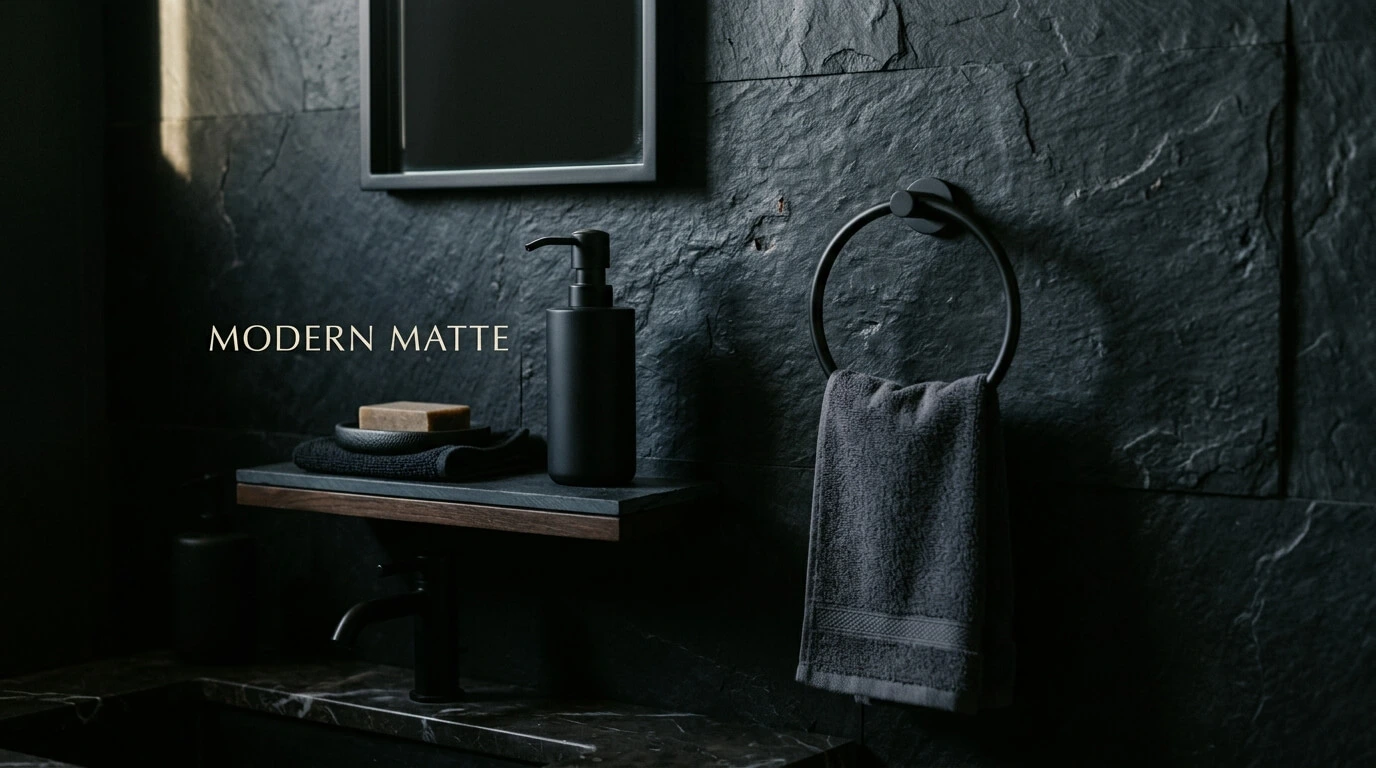
Towel rails, rings, and hooks make it easier to keep towels organized. Choose their size according to the number of people using the bathroom.
Toilet roll holders:
A reliable toilet paper holder should be easy to reach and securely mounted. Wall-mounted designs are particularly useful when floor space is limited.
Soap dispensers:
A dispenser can create a cleaner appearance than multiple bottles sitting around the sink. Refillable versions may also reduce unnecessary packaging.
Toothbrush holders:
Keeping toothbrushes in a dedicated holder helps organize the sink area. Look for designs that are easy to wash and dry.
Waste bins:
A small bathroom bin is often essential. A lidded model can provide a neater appearance, especially in shared bathrooms.
Bath mats:
A bath mat provides comfort underfoot while helping absorb water. Choose one with a suitable non-slip backing.
These basics form the foundation. Once they are in place, you can consider decorative additions such as trays, plants, artwork, or containers.
3. Choosing the Right Bathroom Storage
Storage is one of the biggest challenges in bathroom design. Bottles, cosmetics, cleaning products, towels, toilet paper, and personal items can quickly create clutter.
Wall-mounted storage is particularly useful because it uses vertical space without taking up much floor area. Shelves above the sink or toilet can provide additional room for everyday products.
Cabinets are useful when you want to hide items. A vanity unit beneath the sink can provide valuable storage while keeping the room visually tidy.
Baskets and containers are another simple option. You can group similar products together instead of allowing them to spread across shelves.
For example, you might have one basket for hair products, another for skincare items, and another for spare toiletries.
The key is accessibility. Storage should make your routine easier, not turn finding a shampoo bottle into a treasure hunt.
4. Mirrors and Their Role in Bathroom Design
A mirror is more than a place to check your appearance. It can influence how large and bright a bathroom feels.
A large mirror can make a compact room appear more spacious because it reflects light and creates a greater sense of depth.
Shape also matters. Rectangular mirrors often provide a clean, traditional appearance, while round and oval designs can introduce softer lines.
Illuminated mirrors are another popular choice. Integrated lighting can be useful when shaving, applying makeup, styling hair, or performing other close-up tasks.
Before choosing a mirror, consider the size of the vanity or sink beneath it. A mirror that is dramatically wider or narrower than the furniture may look unbalanced.
Also consider moisture. Bathroom mirrors should be designed for environments where humidity and condensation are common.
5. Towel Rails, Hooks and Holders
Where should you put your towels? It sounds like a simple question, but placement can make a bathroom much more convenient.
A towel rail near the shower or bath allows you to reach a towel without walking across the room while wet.
Hooks can be useful when several people share a bathroom because each person can have a designated location. They also require less wall space than long rails.
For guest bathrooms, you might combine a decorative towel rail with smaller hooks for everyday use.
When choosing a towel holder, pay attention to strength and installation. A beautiful holder is not very useful if it comes loose whenever someone pulls a towel from it.
You should also leave enough space between towels to encourage drying and reduce the chance of unpleasant odors.
6. Soap Dispensers, Toothbrush Holders and Small Essentials
The smallest accessories often have the biggest effect on daily organization.
Instead of placing several mismatched containers around your sink, consider choosing a coordinated set.
A matching collection might include:
- Soap dispenser
- Toothbrush holder
- Tumbler
- Soap dish
- Cosmetic tray
- Cotton-pad container
- Tissue holder
Matching items create visual consistency. They do not necessarily need to come from the same manufacturer; similar colors, shapes, or materials can achieve the same effect.
A small tray is particularly useful. It can group everyday items together and make cleaning the countertop easier.
However, avoid covering every available surface with accessories. A little empty space can make a bathroom feel calmer and more luxurious.
7. Bathroom Materials: What Should You Choose?
Bathrooms are exposed to water, steam, cleaning products, and frequent use. Therefore, material selection matters.
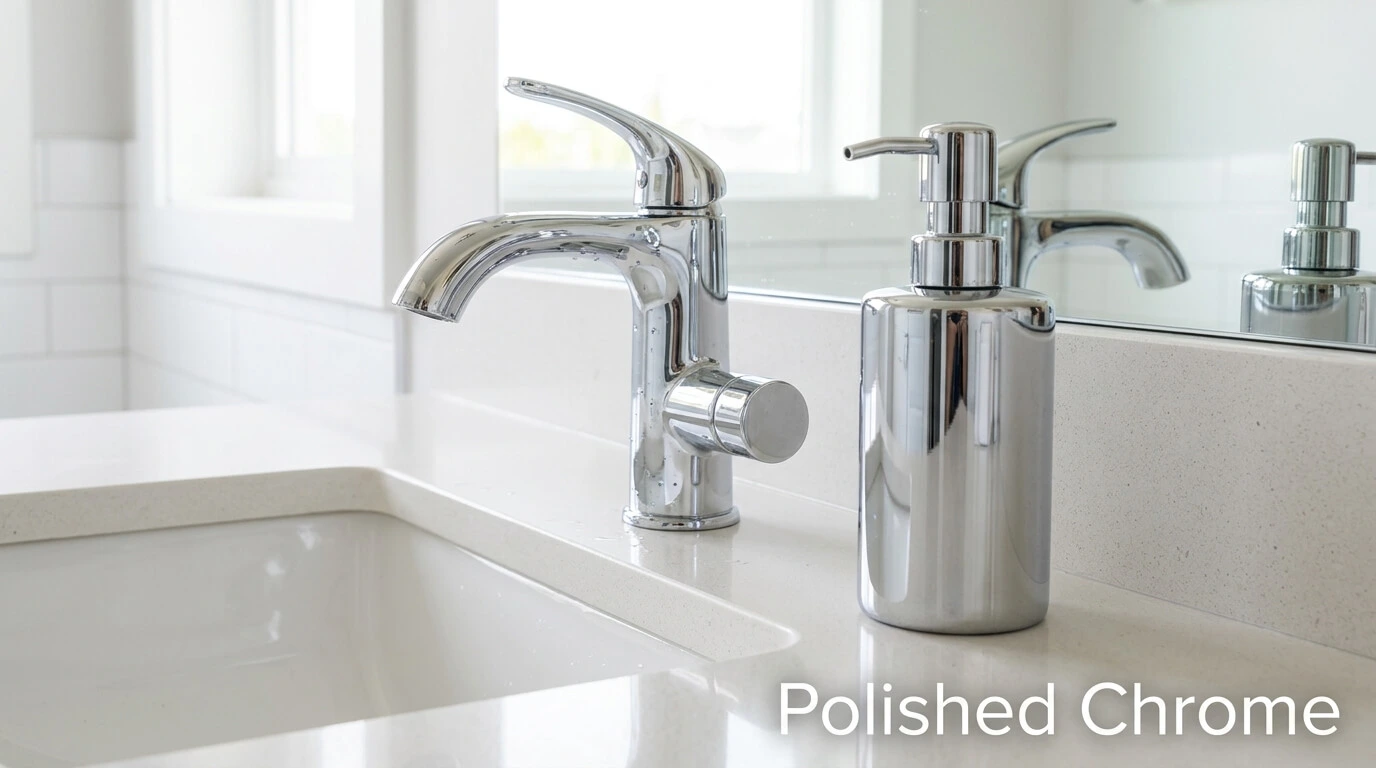
Stainless steel is popular for holders and rails because it can offer a clean appearance and good durability when properly maintained.
Ceramic is commonly used for soap dishes, toothbrush cups, and decorative containers. It offers a classic appearance but may break if dropped.
Glass can create an elegant, lightweight appearance. However, it requires regular cleaning to prevent water marks.
Plastic is often affordable, lightweight, and available in countless colors and shapes. It can be especially practical for families with young children.
Wood and bamboo can introduce warmth and a natural feel. However, they need appropriate care because prolonged moisture exposure can damage some materials.
When selecting an accessory, think beyond appearance. Ask yourself: Will this material remain practical in a humid environment? Is it easy to clean? Will it withstand everyday use?
A beautiful accessory that becomes difficult to maintain may not be the best choice.
8. Matching Accessories With Your Bathroom Style
Accessories should complement the existing design rather than compete with it.
For a modern bathroom, simple shapes, clean lines, and understated finishes usually work well.
For a traditional bathroom, decorative details, classic forms, and warmer finishes may be appropriate.
A minimalist bathroom benefits from fewer visible objects and simple storage solutions.
A natural bathroom can incorporate earthy colors, woven baskets, stone-like textures, and carefully selected wooden elements.
You do not need to follow a strict design rule. Your bathroom should reflect your preferences.
One useful technique is to choose one dominant finish and one supporting material. For example, you might use a consistent metallic finish for fixtures while adding ceramic accessories for contrast.
The goal is harmony rather than perfect uniformity.
9. Space-Saving Ideas for Small Bathrooms
Small bathrooms require smart thinking. Fortunately, limited floor space does not mean limited possibilities.
Use vertical walls. Install shelves or cabinets higher up to take advantage of unused space.
Choose over-the-door organizers. These can provide storage for smaller items without requiring permanent installation.
Use corner shelves. Corners are frequently overlooked but can provide excellent locations for toiletries.
Select multi-purpose accessories. A mirrored cabinet, for example, can combine reflection and storage in one product.
Keep surfaces clear. Clutter makes a small bathroom feel even smaller.
Another useful approach is to store less frequently used products somewhere else. Your bathroom does not need to contain every toiletry you own.
Think of the space like a small suitcase: when every item has a purpose and a designated place, everything fits better.
10. Safety and Accessibility Considerations
Style should never come before safety.
Wet bathroom floors can become slippery, so a suitable non-slip bath mat can provide additional protection. Accessories should also be installed securely.
Sharp corners may not be ideal in bathrooms used by children or older adults. Rounded designs can sometimes be a safer choice.
Accessibility is equally important. Towel holders, shelves, and everyday products should be positioned where they can be reached comfortably.
For anyone with limited mobility, appropriately installed grab bars and accessible storage can make a major difference. These should be selected and installed with care rather than treated simply as decorative accessories.
Lighting is another safety consideration. The room should be bright enough to navigate comfortably without harsh glare.
A bathroom should feel relaxing, but it must also be practical and safe.
11. Cleaning and Maintaining Bathroom Accessories
Even the most attractive accessories can quickly look unpleasant if they are not maintained.
Bathrooms naturally collect moisture, soap residue, hair, dust, and mineral deposits. Regular cleaning helps prevent buildup.
Clean frequently touched items, such as handles and dispensers, as part of your normal bathroom routine.
Dry metal surfaces when possible to reduce water marks and buildup.
Wash fabric items such as bath mats and shower curtains according to their care instructions.
Clean storage containers regularly rather than allowing residue to accumulate underneath products.
It is also important to follow manufacturer recommendations. Some materials can be damaged by abrasive cleaners or harsh chemicals.
A few minutes of regular maintenance can save you from much harder cleaning later.
12. Common Mistakes to Avoid
Buying attractive accessories is easy. Buying accessories that actually work well together requires more thought.
One common mistake is buying too many items. More accessories do not automatically make a bathroom look better.
Another mistake is ignoring size. A large storage unit can overwhelm a small bathroom, while tiny shelves may be insufficient for a busy household.
Poor placement can also create frustration. A towel hook located too far from the shower is technically useful but practically inconvenient.
Some people also choose accessories solely based on appearance. Remember that bathrooms are working spaces. Durability, cleaning, installation, and moisture resistance matter.
Finally, avoid mixing too many unrelated styles. You can combine different materials, but there should be some visual connection between them.
13. How to Choose Accessories on a Budget
Refreshing a bathroom does not have to be expensive.
Start with the accessories you use every day. Replacing an old soap dispenser, towel holder, bath mat, or storage container can immediately improve the room.
Set a priority list:
- Replace damaged or unsafe items.
- Improve storage.
- Organize the sink area.
- Add practical towel solutions.
- Introduce decorative pieces last.
This approach prevents unnecessary spending.
You can also create a premium appearance by choosing a consistent color palette rather than buying expensive products. Simple accessories in coordinated neutral tones can look surprisingly sophisticated.
Shopping in sets can sometimes provide better visual consistency, but do not purchase a complete set if half the items are unnecessary.
Spend money where quality matters most and save on purely decorative pieces.
14. Creating a Practical and Stylish Bathroom
The best bathroom is not necessarily the one with the most expensive fixtures. It is the one that works naturally for the people using it.
Before buying anything, consider your daily routine.
Where do you keep your towel? Where do you put your toothbrush? Is your soap easy to reach? Where do spare toilet rolls go? Do you have enough storage? Is there enough room to move comfortably?
Once you identify these everyday problems, choose accessories that solve them.
You can then add decorative touches. A small plant suitable for humid environments, a coordinated tray, attractive containers, or a simple piece of wall décor can make the room feel more personal.
Think about function first and decoration second. When both work together, the result is a bathroom that feels organized without looking overly designed.
Remember, accessories are the finishing layer. They should support the room rather than dominate it.
Conclusion
Choosing the right bathroom accessories is ultimately about making everyday life easier while creating a space you enjoy using. From storage and towel holders to mirrors, dispensers, mats, and decorative details, every item has an opportunity to improve the room.
You do not need to replace everything at once. Start with the biggest problems, select durable and easy-to-clean products, and keep your design consistent.
Whether your bathroom is large or compact, traditional or modern, thoughtful accessories can turn an ordinary space into one that feels organized, comfortable, and inviting.
Frequently Asked Questions
1. What are the most essential bathroom accessories?
The essentials usually include towel holders, a toilet roll holder, soap dispenser or soap dish, toothbrush holder, waste bin, mirror, bath mat, and suitable storage. Your exact needs depend on the size of the bathroom and the people using it.
2. How can I make a small bathroom look bigger?
Use wall-mounted storage, large mirrors, light colors, and compact accessories. Keeping countertops and floors clear can also make the room feel more open.
3. Which materials are best for bathroom accessories?
Moisture-resistant materials such as stainless steel, suitable plastics, ceramic, glass, and properly treated wood can work well. Always consider how easy the material is to clean and maintain.
4. How can I keep bathroom accessories clean?
Clean them regularly with products suitable for their materials. Drying metal and glass surfaces can help reduce water marks, while washable fabric items should be cleaned according to their care instructions.
5. Should all bathroom accessories match?
They do not have to match exactly. However, using complementary colors, shapes, or finishes creates a more coordinated appearance. A consistent design theme can make the bathroom feel more polished.